Master the Art of Making Fluffy Buttermilk Biscuits with Expert Techniques
What Essential Ingredients Are Crucial for Baking the Ultimate Biscuits?
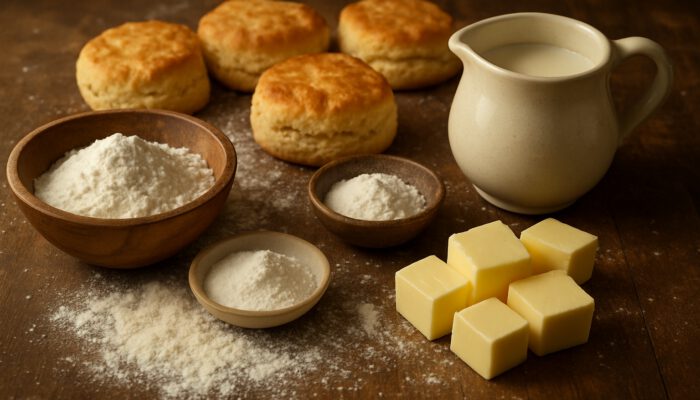

To craft irresistibly fluffy buttermilk biscuits, it is vital to begin with a carefully selected array of ingredients that contribute to both texture and flavour. The fundamental components comprise pantry essentials such as flour, baking powder, salt, butter, and buttermilk. Each ingredient serves a distinct purpose, playing a crucial role in creating the light, tender texture and rich flavour profile of the biscuits. It is essential to ensure that all ingredients are fresh and of the utmost quality, as using stale or expired components can lead to disappointing baking outcomes.
Mixing these ingredients correctly is equally important for achieving the desired tender biscuit texture. If you have specific dietary requirements, consider the following popular ingredient substitutions:
- Utilise gluten-free flour instead of all-purpose flour for a gluten-free biscuit option.
- Select plant-based butter or coconut oil to replace traditional butter for vegan variations.
- Create a suitable buttermilk alternative by mixing almond or soy milk with a splash of vinegar.
- Add unsweetened applesauce to lower fat content while still maintaining flavour.
These substitutes can help retain the delightful taste and mouthfeel of your biscuits while accommodating various dietary preferences.
How Can You Ensure Precise Measurements for Baking Ingredients?
Accuracy in measuring ingredients is paramount in baking, especially when the goal is to achieve fluffy biscuits. By employing reliable tools, such as a kitchen scale for dry ingredients, you ensure consistency and reduce the risk of producing dense biscuits. When measuring flour, it is advisable to spoon the flour into your measuring cup before levelling it off with a straight edge, as scooping directly from the bag can compact the flour and result in inaccuracies. Additionally, slightly chilling your butter and buttermilk before measuring can help achieve the right consistency and prevent overmixing. Accurate measurement techniques lead to uniform rising, ensuring your biscuits are consistently light and fluffy.
What Expert Recommendations Should You Follow When Selecting Fresh Ingredients?
Choosing high-quality ingredients is vital for creating the best biscuits possible. Always opt for cold butter, as this is essential for achieving the characteristic flakiness; when melted during baking, it generates steam that lifts the dough. Additionally, selecting fresh buttermilk is crucial; its natural tang not only amplifies the flavour but also assists in the leavening process. Proper storage of your ingredients is also important to preserve their flavours and freshness. Ensure that butter is kept refrigerated and that flour is stored in a cool, dry environment to prevent moisture absorption and pest infestations. By being discerning about the quality of your ingredients, you enhance the overall biscuit experience, ensuring that each bite is a true delight.
How Can You Effectively Store Your Baking Ingredients?
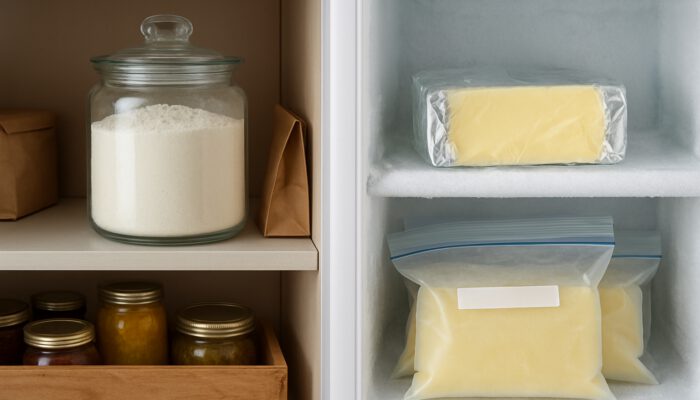
Properly storing your baking ingredients is crucial for maintaining their freshness and quality over time. Flour should be kept in a cool, dry area, preferably in an airtight container to deter pests. Butter requires refrigeration and can be frozen if not utilised within a few weeks, ensuring it remains at the ideal chill for baking. For buttermilk, freeze it in ice cube trays and transfer the cubes to bags for easy future use. This approach prevents spoilage and guarantees that you have fresh ingredients readily available for your baking pursuits, ultimately leading to successful biscuit-making endeavours.
What Ingredient Enhancements Can Improve the Quality of Your Biscuits?
Enhancing your ingredients can have a significant impact on both the texture and flavour of your biscuits. Consider using organic flour, which often delivers a richer taste and superior nutrient profile compared to standard varieties. Moreover, opting for high-quality butter, such as European-style varieties with a higher fat content, can further improve flakiness. Fresh buttermilk is another excellent enhancement; substituting it for powdered alternatives boosts tanginess and overall flavour. These seemingly minor yet impactful choices can elevate your biscuits into something extraordinary without requiring additional effort, making your baking experience all the more rewarding.
Perfect Your Dough Preparation Technique for Fluffy Biscuits
What Steps Should You Follow to Properly Mix the Dough?
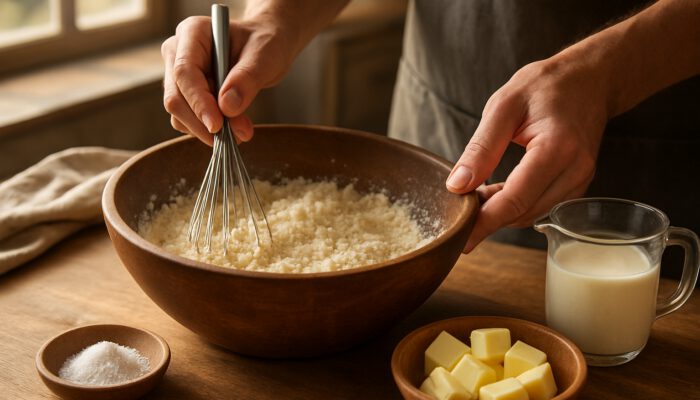
Mixing the dough accurately is a foundational step in preparing biscuits. Start by combining the dry ingredients—specifically, flour, baking powder, and salt—in a spacious mixing bowl. Whisk them thoroughly to ensure an even distribution of the leavening agent. Next, incorporate the cold butter by cutting it into the dry mixture using a pastry cutter or your fingertips until it resembles coarse crumbs. This step is essential, as it evenly disperses the fat throughout the dough, resulting in the tender layers we seek in biscuits.
Once the dry ingredients and butter are properly combined, create a well in the centre and pour in the buttermilk, gently folding the mixture until it is just combined. It is crucial to avoid overworking the dough, as this can lead to tough biscuits; therefore, utilise a light touch to preserve the soft texture characteristic of fluffy buttermilk biscuits.
Why Is Chilling the Dough Before Baking Important?
Chilling the dough prior to baking is an essential step that should not be overlooked if you wish to achieve optimal results. When the dough rests in the refrigerator, the butter firms up, which aids in creating distinct layers during the baking process. This chilling period also allows the gluten to relax, thereby preventing the biscuits from becoming tough.
Moreover, it ensures that the butter maintains its shape while baking, generating steam that contributes to the biscuits rising higher and retaining a light, fluffy texture. Allow the dough to rest in the refrigerator for a minimum of 30 minutes to consistently achieve impressive homemade biscuits that are both visually appealing and a delight to consume.
How Can You Handle the Dough Without Overworking It?
Handling the dough with care is vital for ensuring fluffy biscuits. Overworking the dough can activate gluten, resulting in denser biscuits. When rolling or cutting, apply light pressure to maintain the air pockets that contribute to fluffiness. Rather than rolling out the entire batch at once, consider patting the dough into a rectangle and folding it several times; this technique creates layers without excessive handling.
When cutting, use a sharp biscuit cutter and push straight down without twisting; this preserves the layers and encourages better rise during baking. These techniques simplify the baking process while ensuring tender, fluffy biscuits that will delight anyone who has the pleasure of tasting them.
Professional Strategies for Creating Fluffy Buttermilk Biscuits
What Techniques Do Expert Bakers Recommend for Achieving Perfect Biscuits?
Expert bakers suggest a variety of techniques to ensure the success of buttermilk biscuits. One critical approach involves using a pastry cutter or a food processor to incorporate the butter into the flour mixture, ensuring even distribution while preventing melting caused by the warmth of your hands. Maintaining the right temperature control is also vital; the colder the butter and buttermilk, the better the final biscuit texture will be.
Some professionals recommend adding a pinch of baking soda to boost leavening, particularly when using buttermilk, as its acidity interacts effectively with baking powder. Emphasising these methods can help home bakers replicate the delightful texture and flavour typically found in high-quality, restaurant-style biscuits.
How Can You Adapt the Recipe for Different Textures and Preferences?
Adjusting the texture of your biscuits is easily achievable with a few simple modifications. If you prefer softer biscuits, increase the moisture by adding a bit more buttermilk or slightly reducing the amount of flour used. Conversely, for a crispier texture, you can incorporate a bit more flour or roll the dough thinner before cutting. Experimenting with thickness and moisture levels can yield varied results; for example, a slightly thicker dough can produce taller biscuits, whereas thinner layers result in a more delicate texture. These adjustments offer versatility in biscuit-making, allowing you to cater to individual preferences while preserving the signature fluffiness.
Why Is Understanding Baking Science Important for Success?
Grasping the science of baking is essential for achieving the best results in biscuit-making. Each ingredient interacts chemically to create the final product, with flour providing structure through gluten formation and buttermilk enhancing flavour and texture through leavening reactions. Professionals stress the significance of these interactions to elevate biscuits beyond mere recipes. For instance, understanding how temperature affects fat and moisture can lead to improved control over the final biscuit texture. Embracing baking science not only enhances outcomes but also enriches the overall baking experience, fostering a deeper appreciation for the art and craft of biscuit-making.
Discovering the Advantages of Buttermilk in Baking
How Does Buttermilk Enhance the Taste of Biscuits?
Buttermilk serves as a transformative ingredient that profoundly influences the flavour of biscuits. Its tangy depth enhances the overall taste, enriching buttery notes while tenderising the dough. This unique flavour profile pairs beautifully with both sweet and savoury dishes, making buttermilk biscuits incredibly versatile. The lactic acid present in buttermilk also contributes to a lighter crumb, resulting in a more enjoyable eating experience.
Incorporating buttermilk into your biscuit recipe guarantees an elevated flavour that is both satisfying and distinctive, creating a delightful culinary experience that is sure to impress your guests.
What Nutritional Benefits Does Buttermilk Provide in Baking?
Utilising buttermilk in your biscuit recipe introduces a range of nutritional advantages. It is rich in probiotics, which can support gut health, making these biscuits a healthier choice compared to traditional recipes. Additionally, buttermilk serves as a source of calcium, vital for maintaining strong bones. By incorporating buttermilk into your biscuit-making process, you not only enhance flavour but also improve the nutritional profile of your baked goods. These small shifts can transform a simple treat into something that aligns with a health-conscious lifestyle while remaining delicious and enjoyable.
What Unique Recipe Variations Can You Experiment With?
Exploring variations of buttermilk biscuits opens up a realm of culinary creativity. Here are some imaginative ideas to keep your baking exciting and unique:
- Cheddar and chive biscuits for a delightful savoury twist.
- Honey-and-cinnamon biscuits for a sweet breakfast option.
- Herbed buttermilk biscuits featuring fresh herbs like rosemary or thyme for added flavour.
- Blueberry buttermilk biscuits for a fruity delight.
- Incorporating maple syrup for an intriguing flavour profile.
- Spicy jalapeño biscuits for those who enjoy a bit of heat in their baking.
These variations focus on achieving fluffy results while allowing for personalisation and cultural influences, making each batch a unique and enjoyable experience for all involved.
Research-Backed Insights into Crafting Fluffy Buttermilk Biscuits
What Factors Contribute to the Timeless Popularity of This Recipe?
The enduring popularity of buttermilk biscuits can be traced through generations, with many households worldwide making them a staple. Traditionally, these biscuits were crafted with simple, readily available ingredients, contributing to their widespread appeal and practicality in cooking. Real-world examples include Southern kitchens in the United States, where these biscuits form a comforting part of family meals and gatherings. The straightforward methods used to prepare these biscuits have rendered them a beloved comfort food, fostering a connection between generations and cultures that continues to thrive today.
How Can You Introduce Healthy Modifications Into Your Biscuit Recipe?
Incorporating healthy adjustments into your biscuit recipe can enhance its nutritional value without compromising flavour or texture. For instance, consider substituting whole grain flour for part of your all-purpose flour; this adds a boost of fibre and essential nutrients. You can also halve the amount of butter and replace it with Greek yogurt for added moisture and protein. These adjustments maintain the fluffy nature of the biscuits while making them slightly healthier. Adapting traditional recipes with nutritious alternatives opens the door for modern interpretations that still celebrate classic flavours and textures.
Why Is Proper Technique Crucial for Achieving Biscuit Success?
The success of fluffy buttermilk biscuits hinges on employing proper techniques. Research indicates that gentle handling of the dough is paramount to achieving greater volume and texture in the final baked product. Techniques such as using cold ingredients and avoiding excessive mixing help ensure that biscuits remain light and airy. Trusted strategies, like cutting the butter into the flour until it resembles coarse crumbs and chilling the dough before baking, are vital for optimal results. Mastering these techniques not only enhances the baking experience but also yields consistently impressive results that will delight your family and friends.
Perfecting the Baking Process for Your Biscuits
What Oven Settings Will Produce the Best Biscuit Results?
To achieve perfect biscuits, preheating your oven to the correct temperature is essential. A setting of 220°C (428°F) is ideal for baking fluffy buttermilk biscuits, as this ensures even baking while producing a beautifully golden top. It is crucial to monitor the oven closely to prevent burning, as uneven heat can adversely affect the outcome. Using an oven thermometer can help ensure accurate temperature readings, aiding you in achieving the desired rise and flaky texture in each batch of biscuits.
How Can You Accurately Test for Doneness in Your Biscuits?
Testing for doneness is a straightforward yet effective method to ensure perfectly baked biscuits. A reliable technique involves inserting a toothpick or skewer into the centre of one biscuit; if it emerges clean or with just a few crumbs attached, the biscuits are ready. Furthermore, the tops should achieve a lovely golden brown colour, and the biscuits should feel firm to the touch. This simple method aids in avoiding underbaking or overbaking, allowing bakers to achieve a consistent texture that is both satisfying and enjoyable to consume.
Why Is It Important to Monitor Baking Time Closely?
Carefully monitoring the baking time is key to attaining the ideal biscuit texture. Overbaking can lead to dry biscuits, detracting from their fluffy nature and overall appeal. Typically, baking buttermilk biscuits takes about 10 to 15 minutes, although this may vary depending on the oven and biscuit size. Adjusting the time based on biscuit size or pan type helps maintain moisture and lift, ensuring a foolproof final product. Keeping a close eye on your biscuits during baking guarantees that you enjoy the perfect balance of tenderness and a delightful golden crust each and every time.
Innovative Serving and Storage Strategies for Buttermilk Biscuits
What Creative Ideas Can Elevate Your Buttermilk Biscuit Presentation?
Serving buttermilk biscuits presents an opportunity for creativity and flavour pairing. Consider accompanying them with a variety of spreads such as butter, jam, or honey for a simple yet delightful breakfast or tea-time treat. For a heartier meal, serve them alongside rich stews or soups, where their fluffy texture beautifully complements the dish. Adding a side of gravy, particularly sausage gravy or a vegetarian alternative, can transform your biscuits into a satisfying brunch dish. With endless possibilities, these biscuits can easily become a staple for various occasions, enhancing any dining experience.
How Can You Properly Store Leftover Biscuits to Maintain Freshness?
Storing leftover biscuits correctly is essential for preserving their freshness and flavour. After they have cooled completely, place them in an airtight container lined with parchment paper to absorb excess moisture. This setup prevents sogginess and retains their desirable texture. Leftover biscuits can last for up to three days at room temperature and should ideally be consumed within this timeframe for optimal taste. These straightforward storage methods ensure your biscuits remain delicious for future enjoyment without risking staleness or dryness.
What Are the Best Techniques for Freezing Biscuit Batches?
Freezing biscuit dough or baked biscuits greatly enhances convenience in the kitchen. If you opt to freeze the dough, portion it into individual biscuits, then place them on a baking sheet to freeze until solid before transferring them to a zip-lock bag. This strategy allows you to bake fresh biscuits on demand whenever you desire. For baked biscuits, store them in an airtight container or freezer bag, separating layers with parchment paper to prevent sticking. Here are some effective thawing methods to preserve quality:
- Allow biscuits to thaw at room temperature for a few hours.
- Microwave for 20-30 seconds to warm slightly.
- Reheat in a preheated oven at 180°C (356°F) for approximately 10 minutes.
- Toast in a pan for crispy edges.
These techniques make it easier to enjoy fluffy biscuits at any time, transforming your baking efforts into a long-lasting treat that you can savour at your convenience.
What Are the Best Methods for Reheating Biscuits to Preserve Their Texture?
Reheating biscuits effectively is crucial for preserving their original texture and flavour. The oven is an excellent option for this, as it warms them evenly while restoring crispiness to the exterior. Preheat your oven to 180°C (356°F) and place the biscuits on a baking sheet for about 10 minutes. Alternatively, using the microwave is a quick method, but it may lead to a softer texture; heat in 20-30 second intervals, checking frequently to avoid overcooking.
For a unique twist, consider reheating in a skillet with a small amount of butter, allowing the bottoms to crisp up while warming through. These reheating techniques ensure that stored buttermilk biscuits remain enjoyable, making them taste freshly baked for any meal.
Essential Questions About Buttermilk Biscuits
Can I Make Buttermilk Biscuits Without Using Buttermilk?
Yes, you can substitute buttermilk with a mixture of milk and vinegar or lemon juice. This combination produces a similar acidity that helps achieve the desired fluffiness in your biscuits.
What Type of Flour Works Best for Biscuit Preparation?
All-purpose flour is generally the top choice for making biscuits, but you can experiment with whole wheat flour for a healthier alternative while still maintaining a balance of texture and flavour.
How Can I Make My Biscuits Taller?
To achieve taller biscuits, ensure that the dough is not overmixed and allow it to rest before baking. Additionally, using cold ingredients helps maintain structure during baking, resulting in taller biscuits.
What Can I Add to Buttermilk Biscuits for Enhanced Flavour?
You can incorporate herbs, cheese, or spices into the dough for additional flavour. Ingredients such as chives, cheddar cheese, or cayenne pepper can create delicious variations that elevate your biscuits.
Are Buttermilk Biscuits Gluten-Free?
Yes, you can create gluten-free buttermilk biscuits by using a gluten-free all-purpose flour blend. Ensure the blend contains xanthan gum to achieve the proper texture and rise.
Can I Freeze Biscuit Dough Before Baking?
Absolutely! Freezing the dough is an excellent way to have fresh biscuits ready at your convenience. Simply portion them out and store them in a freezer-safe container for future baking.
How Do I Know When My Biscuits Are Fully Baked?
Biscuits are done when they exhibit a golden brown colour on top, and a toothpick inserted into the centre comes out clean. They should feel firm yet spring back slightly when gently pressed, indicating perfect doneness.
What Can I Serve with Buttermilk Biscuits?
Buttermilk biscuits pair beautifully with butter, honey, jam, or even gravy. They also complement soups and stews, making them a versatile addition to any meal.
How Should I Store Leftover Biscuits?
Store leftover biscuits in an airtight container at room temperature for up to three days. For longer storage, freeze them in a freezer-safe bag to maintain their freshness and quality.
Can I Make Vegan Buttermilk Biscuits?
Yes, you can prepare vegan buttermilk biscuits using plant-based butter and a non-dairy milk mixed with vinegar or lemon juice to mimic the acidity of buttermilk.
Connect with us on Facebook for More Delicious Recipes!
The post How to Make Fluffy Buttermilk Biscuits: A Simple Guide appeared first on https://cookinggods.com
The Article Fluffy Buttermilk Biscuits: Easy Steps to Perfection Was Found On https://limitsofstrategy.com
The Article Buttermilk Biscuits: Simple Steps to Fluffy Perfection found first on https://electroquench.com