Explore the Essential Features of Minimalist Footwear
How Do Different Sole Materials Influence Comfort and Performance?
Minimalist footwear features distinctive sole materials that play a crucial role in determining both comfort and functionality. Various materials such as rubber, EVA foam, and TPU each offer unique benefits that significantly affect grip, durability, and shock absorption. A well-engineered sole not only enhances performance but also adheres to international design principles that prioritise user comfort and adaptability across diverse surfaces and conditions.
At MyShoesFinder, we focus on barefoot shoes designed for both outdoor adventurers and casual wearers, helping them achieve outstanding levels of comfort and performance. Our platform is dedicated to assisting customers in the selection process, ensuring they find the perfect footwear suited to their individual requirements while guaranteeing satisfaction with every purchase.
This guide will explore the key characteristics of minimalist footwear, including:
- Variations in material and their implications
- Construction techniques that enhance durability
- Weight considerations that affect user experience
- Health benefits associated with minimalist designs
- Comparative analysis of design features
What Are the Primary Construction Techniques Used in Minimalist Footwear?
The methods of construction employed in minimalist footwear greatly influence both flexibility and durability. Common techniques include stitching, bonding, and direct attachment. These approaches improve the shoe’s ability to bend and adapt to various terrains, which is essential for users participating in different activities. Flexibility is vital for ensuring that footwear can withstand wear while also promoting natural foot movement, which is critical for long-term comfort and performance.
In What Ways Does Weight Impact Footwear Performance?
- Lightweight designs significantly enhance agility and speed.
- Heavier models may offer increased durability for rigorous usage.
- Minimal weight is essential for reducing fatigue during prolonged wear.
- Weight distribution directly impacts balance and stability.
- Lightweight shoes enhance overall mobility across diverse activities.
- Heavier options may provide superior cushioning for sensitive feet.
- Variations in weight can influence personal comfort preferences.
- Considering weight is particularly important for trail runners and hikers.
The influence of weight on mobility should not be overlooked. Lightweight footwear often leads to improved performance in a variety of activities, whether navigating the rugged trails of the Andes or exploring the vibrant streets of Tokyo. Conversely, heavier shoe designs might provide additional support for users in challenging environments, highlighting the necessity of personal choice based on specific activity levels and conditions.
What Health Benefits Are Associated with Minimalist Footwear?
Minimalist footwear encourages natural foot alignment, which is essential for minimising injury risks. By strengthening intrinsic foot muscles, these shoes improve overall mobility, making them a great choice for individuals of all ages and activity levels. Users engaging in activities such as hiking in the Alps or taking leisurely walks in city parks will experience enhanced posture and stability, aligning with ergonomic principles that support a global audience seeking healthier lifestyles.
Assessing Design Variations Across Minimalist Footwear Brands
What Are the Key Shape Differences Between Brands?
The fundamental shape of minimalist footwear varies significantly across brands, affecting both fit and foot movement. Xero Shoes typically feature a wider toe box that allows for natural toe splay, increasing comfort during wear. In contrast, Vivobarefoot often presents a more anatomical shape that supports the natural curvature of the foot. These design differences highlight universal ergonomic benefits that cater to diverse foot shapes and consumer preferences around the world.
Which Factors Affect Flexibility in Minimalist Footwear?
Flexibility in minimalist footwear is influenced by several factors, including sole thickness, material composition, and structural design. Shoes with thinner soles generally offer a heightened ground feel, resulting in a more responsive experience. For instance, runners tackling trails in New Zealand may prefer a flexible shoe that adapts well to uneven surfaces, while fitness enthusiasts in urban settings might choose moderate flexibility to accommodate various movement requirements during workouts.
Why Is Width an Important Aspect in Footwear Selection?
Width is a critical factor in achieving the perfect fit with minimalist footwear. Shoes designed for wider feet enhance overall comfort and reduce the risk of blisters during activities ranging from challenging hikes in the Rockies to casual strolls in local parks. Proper width considerations ensure that footwear conforms to individual foot shapes, promoting universal comfort and adaptability for users navigating a variety of terrains and activities.
What Expert Guidance Is Available for Choosing Between Xero Shoes and Vivobarefoot?
What Practical Steps Should You Follow When Selecting Footwear?
When deciding between Xero Shoes and Vivobarefoot, it is important to consider your specific needs and lifestyle. If you are an avid trail runner seeking lightweight agility, Xero Shoes may be the ideal choice for you. On the other hand, if durability for urban settings is your main concern, Vivobarefoot could better suit your requirements. It is advisable to try on both brands in different contexts to ascertain how each responds to your foot structure and the activities you plan to undertake.
What Performance Enhancements Do These Brands Offer?
Both Xero Shoes and Vivobarefoot feature designs that significantly improve performance. For example, Xero Shoes often include high-traction soles that support agility on varied terrains, making them ideal for mountain running. In contrast, Vivobarefoot’s designs promote a natural running gait, which can enhance energy efficiency during long-distance runs. Understanding these performance enhancements is vital for users looking to maximise the benefits in their daily activities, ensuring they select footwear that aligns with their activity levels.
What Strategies Can Extend the Life of Minimalist Footwear?
To ensure the longevity of your minimalist footwear, regular maintenance is essential. Clean your shoes after exposure to dirt or moisture using appropriate materials that will not damage the fabric. Alternating between different pairs can help minimise wear and tear. Store them in a cool, dry environment to protect against environmental damage. Implementing these expert strategies will significantly prolong the life of your shoes, allowing you to enjoy sustained performance across a range of activities.
What Research-Backed Benefits Are Associated with Xero Shoes and Vivobarefoot?
How Important Is Breathability in Footwear?
Breathability in footwear is crucial for maintaining a comfortable foot environment, particularly during extended periods of activity. Research shows that well-ventilated shoes help regulate temperature, thereby reducing moisture build-up and the risk of foot odour. This feature not only enhances comfort but also contributes to overall foot health, making it a key consideration when choosing between Xero Shoes and Vivobarefoot across various climates and activities worldwide.
What Core Support Features Are Integrated into Minimalist Footwear?
Core support features in minimalist footwear are essential for promoting proper posture and stability. Both brands incorporate elements that enhance foot support, such as reinforced arches and flexible soles. This thoughtful design assists users in maintaining correct alignment during activities, which is particularly beneficial for those engaged in fitness routines or outdoor pursuits, supporting a healthy posture in everyday life.
Which Activities Are Best Suited for Minimalist Footwear?
- Trail running: Ideal for uneven terrains that demand high traction.
- Walking: Provides comfort for daily strolls or urban exploration.
- Hiking: Ensures stability and support across various trails.
- Fitness training: Adaptable for gym workouts and classes.
- Casual outings: Stylish options suitable for everyday wear.
- Outdoor sports: Durable designs built to withstand rugged use.
- Travel: Lightweight and easily packable for convenient transport.
- Yoga or Pilates: Minimal designs that promote natural movement.
The versatility of both Xero Shoes and Vivobarefoot covers numerous activities, making them appropriate for pursuits ranging from intense trail running to leisurely walks in the park. This adaptability is crucial for users globally, empowering them to select footwear that aligns with their active lifestyles.
What Factors Should Influence Your Footwear Selection Process?
What General Price Considerations Should You Keep in Mind?
Price is a significant factor influencing your choice of footwear, as consumers must balance cost against perceived value. Both Xero Shoes and Vivobarefoot provide a variety of pricing options that reflect their material quality and design features. Understanding your budget and how much you are prepared to invest in footwear suited to your activities will guide your decision, while also considering long-term durability and comfort.
How Do User Preferences Shape Shoe Selection?
Individual preferences play a major role in footwear selection, affecting overall comfort and satisfaction across a range of activities. Factors such as aesthetics, fit, and intended use significantly impact personal choices. For example, one user may prefer the minimalist design of Xero Shoes for daily runs, while another might favour the sturdier construction of Vivobarefoot for hiking expeditions—highlighting the importance of personal taste in optimising performance.
What Are the Essentials of Sizing and Fit for Minimalist Footwear?
Achieving an accurate fit is crucial for comfort and effectiveness in minimalist footwear. It is advisable to consult sizing charts and consider trying on various models to identify the best match for your foot shape. Techniques such as adjusting laces for a snug fit or using insoles can enhance the overall experience. Proper sizing is vital, ensuring users can fully enjoy their activities without discomfort or restriction.
How to Care for and Maintain the Durability of Your Minimalist Footwear?
What Effective Cleaning Methods Should You Use?
To maintain the quality of your minimalist footwear, employing effective cleaning methods is essential. Use a soft brush and mild soap to gently remove dirt and grime without damaging the materials. For thorough cleaning, a damp cloth can be used, followed by air drying in a shaded area away from direct sunlight. Keeping your shoes clean not only enhances their durability but also helps maintain their visual appeal for continued performance.
What Typical Wear Patterns Should You Expect Over Time?
As minimalist footwear is used, typical wear patterns may emerge due to factors such as terrain, frequency of use, and individual foot mechanics. Common indicators of wear include thinning soles, material cracking, or reduced traction. Recognising these patterns can assist users in anticipating when maintenance or replacement is necessary, ensuring consistent performance and safety during activities.
What Signs Indicate It’s Time to Replace Your Footwear?
Monitoring your footwear for signs of wear is essential for maintaining optimal performance. Common signs indicating the need for replacements include significant sole wear, reduced cushioning, and visible cracks or tears in the material. Conducting regular inspections allows users to identify these signs early, facilitating timely replacements that ensure safety and comfort during activities.
What Environmental Factors Impact the Durability of Your Footwear?
Environmental conditions such as humidity, extreme temperatures, and UV exposure can greatly influence the durability of shoe materials. Moisture can promote mould growth and degradation of materials, while extreme temperatures may alter flexibility. Storing footwear in a cool, dry area, combined with protective coatings, can significantly extend the lifespan of your shoes, ensuring they remain functional and comfortable under various conditions.
What Tips Can Assist with Shoe Repair and Upkeep?
To maintain the original quality of your minimalist footwear, being knowledgeable about essential repair techniques is advantageous. For common issues such as sole wear, consider using adhesive solutions or professional resoling services. For stitching problems, a needle and thread can effectively restore structural integrity. Regular maintenance and timely repairs enhance longevity, allowing users to enjoy their footwear for years while maintaining optimal performance.
Common Questions About Minimalist Footwear
What Are Xero Shoes and Their Benefits?
Xero Shoes represent a range of minimalist footwear designed to enhance natural foot movement, providing optimal flexibility and comfort for various activities, including running, hiking, and casual wear.
How Does Vivobarefoot Stand Out from Other Brands?
Vivobarefoot specializes in barefoot-style shoes that feature a wide toe box and thin soles, effectively promoting natural foot mechanics and delivering optimal sensory feedback during diverse activities.
Can Minimalist Footwear Help Relieve Foot Pain?
Indeed, minimalist footwear can alleviate foot pain by facilitating natural alignment and strengthening foot muscles. It is important to transition gradually into this style of footwear to avoid potential discomfort.
Are Xero Shoes Suitable for Running?
Absolutely, Xero Shoes are highly acclaimed for running due to their lightweight design and flexibility, offering excellent ground feel and traction across multiple terrains.
What Cleaning Methods Are Most Effective for My Minimalist Shoes?
To clean minimalist shoes effectively, use a soft brush and mild soap, rinse with water, and allow them to air dry away from direct sunlight to prevent material damage.
What Activities Are Best Suited for Vivobarefoot Shoes?
Vivobarefoot shoes are versatile and suitable for a wide range of activities, including hiking, running, casual outings, and even fitness training, thanks to their adaptable design.
How Should I Properly Store My Minimalist Footwear?
Store your minimalist footwear in a cool, dry place away from direct sunlight, ensuring they retain their shape and material integrity while avoiding moisture-related issues.
What Should I Prioritise When Choosing a Minimalist Shoe?
When selecting a minimalist shoe, consider key factors such as fit, flexibility, weight, breathability, and the specific activities you plan to engage in to ensure optimal performance and comfort.
Can I Wear Minimalist Shoes All Day?
While many users find it comfortable to wear minimalist shoes throughout the day, it is important to transition gradually, allowing your feet to adapt, especially if you are new to this type of footwear.
How Often Should I Replace My Minimalist Shoes?
The lifespan of minimalist shoes varies based on usage; generally, you should think about replacing them when noticeable wear occurs or when comfort declines, typically after <a href="https://limitsofstrategy.com/xero-shoes-fit-tips-your-ultimate-size-guide/">300-500 miles</a> for runners.
The Article Xero Shoes vs Vivobarefoot: Key Differences Explained appeared first on My Shoes Finder
Discover Related Topics:
 Vivobarefoots – Enhance Your Natural Foot Function
 Xero Shoes for Back Pain Relief and Improved Posture
 Xero Shoes: Discovering the Brand’s Origins and Makers
 Xero Shoes for Children: 2025 Developmental Podiatry Guide
 Running in Xero Shoes: Explore the Advantages
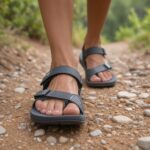 Xero Shoes Sandals: Experience the Joy of Barefoot Walking
The Article Xero Shoes vs Vivobarefoot: Understanding Key Differences Was Found On https://limitsofstrategy.com
The Article Xero Shoes and Vivobarefoot: Key Differences Explained found first on https://electroquench.com