Maximising the Effectiveness of Art Human Virtual Assistants for Gallery Management Success
What Essential Functions Do Art Human Virtual Assistants Fulfil in Gallery Management?
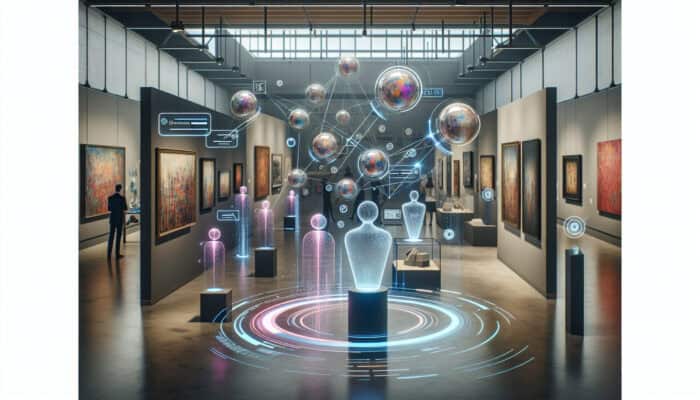
Art human virtual assistants play a pivotal role in enhancing the efficiency of gallery management practices. By taking charge of diverse responsibilities, they streamline daily operations, including automating inventory tracking, managing visitor interactions, and scheduling exhibitions. This delegation allows galleries to focus more on creative processes rather than getting bogged down by administrative duties. Additionally, the incorporation of these assistants fosters improved visitor experiences, as they offer intuitive interfaces that facilitate seamless interactions, ensuring that guests feel welcomed and informed during their visits.
Key functionalities essential for successful implementation include:
- Automated inventory management systems to efficiently monitor artworks and collections.
- Visitor interaction management that provides instant responses and information.
- Exhibit scheduling capabilities to optimise gallery space and event timings.
- Data analysis tools for improved workflow efficiency and informed decision-making.
- Personalised recommendations to enhance visitor engagement and satisfaction.
- Real-time updates and notifications about gallery events and exhibitions.
- Multilingual support to cater to a diverse audience of visitors.
- Integration with existing gallery management software to ensure smooth operations.
The multifaceted abilities of art human virtual assistants not only bolster operational efficiency but also significantly enhance the overall visitor experience, making art galleries more accessible and engaging for all attendees.
What Are the Core Components of Effective Virtual Assistant Systems?
Effective virtual assistant systems in gallery settings comprise several advanced components engineered to elevate operational efficiency and visitor engagement. At the core of these systems lies sophisticated artificial intelligence, enabling the assistants to manage a variety of tasks, from responding to visitor inquiries to curating personalised collection suggestions. This technology fosters improved engagement, allowing galleries to innovate while maintaining traditional art curation standards.
Several critical components contribute to the success of these virtual assistant systems, including:
- Adaptive learning algorithms that customise responses based on previous interactions.
- Natural language processing capabilities, ensuring precise understanding of visitor queries.
- Seamless integration with gallery management software for real-time data flow.
- Multi-channel functionality that facilitates interaction via web, mobile apps, and in-person kiosks.
- Analytics tools that monitor user engagement and provide actionable insights.
- Security protocols to protect sensitive visitor and collection information.
- User-friendly interfaces designed for easy navigation for both staff and visitors.
- Customisation options allowing galleries to adjust the assistant’s personality and response style.
These components collaboratively foster a robust virtual assistant system that enhances both operational capabilities and visitor experiences without disrupting the gallery's essential activities.
What Benefits Does Integration Offer in Contemporary Gallery Settings?
Incorporating art human virtual assistants into modern gallery environments yields a multitude of benefits that enhance operational efficiency and visitor engagement. By automating mundane administrative responsibilities, galleries can significantly reduce their administrative load, allowing staff to concentrate on more creative and strategic pursuits. This transformation is crucial in nurturing a vibrant atmosphere where art can genuinely thrive.
One of the most pronounced advantages is heightened accessibility for visitors. Virtual assistants provide real-time information and assistance, simplifying the navigation process for guests as they explore exhibits and seek information. Furthermore, the accuracy of record-keeping improves substantially, as these systems automate the tracking of visitor interactions and collection data, leading to more informed decision-making regarding exhibitions and programming.
Additional notable benefits include:
- Increased productivity as staff can devote more time to curatorial and creative tasks.
- Enhanced visitor satisfaction through personalised interactions and tailored experiences.
- Reduction in operational costs due to less reliance on manual labour.
- Improved data accuracy, resulting in better strategic planning and resource allocation.
- Greater flexibility in managing exhibition schedules and visitor flows.
- Support for innovative programming initiatives that attract a diverse audience.
- Long-term sustainability through enhanced operational efficiencies and reduced overhead costs.
- Strengthened community engagement as galleries become more accessible to a wider audience.
In summary, the integration of art human virtual assistants signifies a substantial advancement in gallery management, empowering institutions to prosper in a competitive landscape while amplifying their cultural influence.
Insights from Experts on Art Human Virtual Assistants for Gallery Management
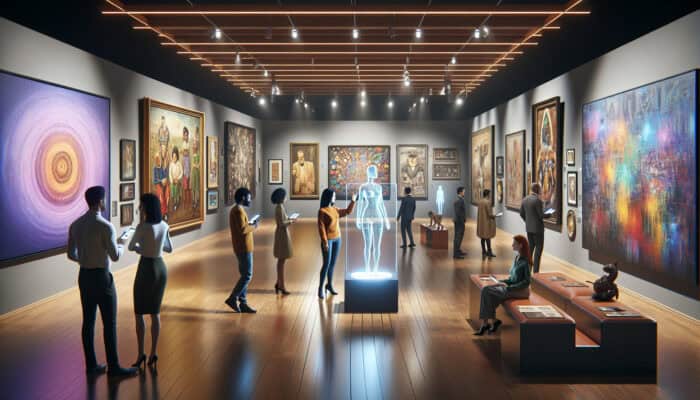
What Advanced Features Are Recommended by Experts for Virtual Assistants?
Professionals in gallery management advocate for an array of advanced features when integrating art human virtual assistants, particularly those that utilise adaptive learning algorithms. Such features empower assistants to evolve based on user interactions, further optimising operational efficiency. Experts advise customising these solutions to address common operational challenges through innovative design and technology.
A crucial feature is the capability of virtual assistants to learn from visitor interactions and adapt responses accordingly, delivering personalised experiences that resonate with users. This adaptability can lead to significant improvements in how galleries manage their collections and engage patrons. For example, an assistant that learns a visitor's preferences can suggest specific artworks or upcoming exhibitions that align with those interests, effectively increasing engagement.
Actionable steps for customisation may include:
- Conducting a needs assessment to identify specific operational challenges.
- Collaborating with software developers to tailor algorithms based on gallery goals.
- Implementing a user feedback system to continually refine assistant capabilities.
- Testing various functionalities to pinpoint the most effective applications.
- Providing staff with training on leveraging advanced features for improved outcomes.
- Monitoring performance metrics to assess the effectiveness of custom solutions.
- Creating a roadmap for future enhancements based on emerging technologies.
- Engaging with community stakeholders to align assistant capabilities with audience needs.
By concentrating on these advanced features, galleries can ensure that their virtual assistants contribute meaningfully to overall efficiency and visitor satisfaction.
What Improvements Can Strengthen System Reliability?
For art human virtual assistants to operate optimally, specialists underscore the importance of robust data security measures. Protecting sensitive information is paramount, especially in environments where visitor data and artwork provenance are involved. By implementing high-standard security protocols, galleries can cultivate trust among users, ensuring they feel secure while engaging with these technologies.
Moreover, system reliability hinges on vigilant monitoring of performance metrics. These metrics provide insights into the effectiveness of the assistants, identifying areas for potential improvement. For instance, regular assessments can gauge response times and accuracy, ensuring that assistants efficiently meet the operational demands of the gallery.
Recommended enhancements for system reliability include:
- Regular software updates to address potential vulnerabilities.
- Implementation of encryption protocols to safeguard sensitive data.
- Testing systems to ensure high availability during peak visitor times.
- Utilisation of cloud storage solutions for scalability and data recovery.
- Developing a comprehensive incident response plan for data breaches.
- Incorporating user feedback to quickly identify and rectify issues.
- Establishing partnerships with cybersecurity firms to enhance security measures.
- Conducting training for staff on data protection best practices.
These enhancements not only bolster the reliability of virtual assistant systems but also contribute to the long-term sustainability of the technology within gallery environments.
What Strategies Ensure Effective User Training?
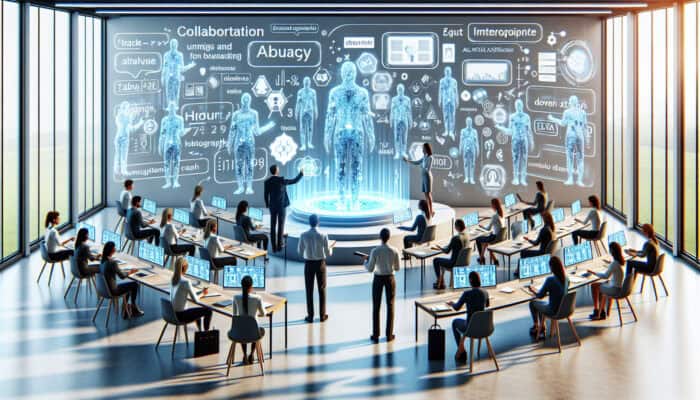
Training gallery staff to effectively utilise art human virtual assistants is crucial for maximising their potential benefits. Experts recommend a guided implementation approach that incorporates interactive modules designed to build user confidence. This method ensures that staff not only become familiar with the technology but also learn to leverage it to meet gallery objectives successfully.
An effective training programme should include hands-on sessions, allowing staff to engage directly with the virtual assistants in a controlled environment. This experiential learning approach helps identify common challenges and equips staff with the skills needed to troubleshoot issues as they arise. Furthermore, integrating feedback loops into the training process can enhance continuous improvement and alignment with gallery goals.
Key strategies for optimal user training include:
- Developing comprehensive training materials tailored to different staff roles.
- Hosting regular training workshops to refresh staff knowledge and skills.
- Establishing mentorship programmes where experienced users assist new staff.
- Creating a dedicated support team to address queries in real-time.
- Incorporating gamification elements to make training engaging and enjoyable.
- Collecting user feedback to refine training methods and materials.
- Utilising online learning platforms to provide flexibility in training schedules.
- Encouraging a culture of continuous learning and adaptation among staff.
By implementing these strategies, galleries can ensure that their staff are well-prepared to effectively leverage art human virtual assistants, optimising both operational processes and visitor experiences.
How Do Art Human Virtual Assistants Operate in Gallery Management?
What Core Mechanisms Underpin Virtual Assistant Functionality?
Art human virtual assistants function through advanced machine learning mechanisms that facilitate the processing of inputs, analysis of data, and generation of appropriate responses. This functionality is essential for managing a variety of tasks within gallery management, including cataloguing artworks and providing guidance to visitors. By automating these processes, assistants can significantly streamline gallery operations, enhancing efficiency and freeing up staff to concentrate on more impactful activities.
The core mechanism involves algorithmic decision-making, where the assistant learns from past interactions and adjusts its responses accordingly. This capability proves particularly beneficial in a gallery setting, where the diversity of visitor inquiries can vary greatly. For instance, a visitor may seek information about a specific artwork's history, while another may be interested in general exhibition timings. The assistant's ability to grasp context and deliver accurate information enhances the overall visitor experience.
Several core functions characterising virtual assistant functionality include:
- Processing natural language to comprehend and respond to queries effectively.
- Utilising machine learning algorithms to adapt over time based on user interactions.
- Integrating with existing gallery databases for real-time information retrieval.
- Automating routine tasks such as scheduling and inventory updates.
- Providing personalised recommendations based on visitor preferences and interactions.
- Generating analytics reports that inform strategic decisions for the gallery.
- Offering multi-channel support to engage visitors across various platforms.
- Facilitating seamless integration with third-party applications for enhanced functionality.
These mechanisms form the foundation for the successful implementation of art human virtual assistants, ensuring they contribute positively to gallery management processes.
What Factors Influence Their Accuracy and Speed?
The accuracy and speed of art human virtual assistants are contingent on several critical factors, primarily revolving around data quality and algorithmic updates. High-quality data is essential for training machine learning models, as it directly impacts how effectively an assistant can comprehend and respond to user inquiries. Poor or outdated data can lead to inaccurate responses, undermining the assistant's credibility and utility.
Moreover, the frequency of algorithm updates plays a significant role in maintaining the assistant's performance over time. Regular updates ensure that the system adapts to evolving visitor needs and gallery operations, thereby enhancing both accuracy and response speed. In a dynamic environment like a gallery, where visitor expectations can change rapidly, timely updates are vital for sustaining a high level of service.
Key factors influencing accuracy and speed include:
- Quality of the training data used to develop machine learning models.
- Frequency and relevance of algorithm updates to incorporate recent trends and visitor needs.
- System architecture that supports rapid data processing and response generation.
- Feedback mechanisms that allow for ongoing assessment and refinement of the system.
- Integration capabilities with other systems for real-time accuracy and efficiency.
- User engagement levels, as increased interactions can improve learning efficiency.
- Scalability of the technology to manage varying visitor volumes effectively.
- Testing protocols that ensure performance consistency across different scenarios.
By addressing these factors, galleries can significantly enhance the reliability and effectiveness of their art human virtual assistants, leading to improved operational outcomes and visitor satisfaction.
How Do They Integrate with Existing Gallery Tools?
Art human virtual assistants can seamlessly integrate with existing gallery tools, facilitating enhanced data flow and resource management. This integration is critical for ensuring that the virtual assistants complement traditional gallery operations rather than complicate them. By linking with gallery management software, assistants can provide real-time updates and streamline various administrative tasks, thereby supporting the core functions of gallery administration.
Seamless integration enables efficient data sharing, allowing assistants to access current information about exhibitions, visitor interactions, and inventory status. For instance, when a visitor inquires about a specific artwork, the assistant can provide immediate, accurate information by retrieving data from connected systems. This not only enhances the visitor experience but also fosters better decision-making among gallery staff.
Key aspects of effective integration include:
- Compatibility with existing gallery management systems to ensure optimal functionality.
- Real-time data sharing that guarantees all systems are up-to-date and accurate.
- Utilisation of APIs to facilitate communication between different software applications.
- Customisation options that allow for tailored integrations based on gallery needs.
- Training for staff to ensure they understand the integrated systems and their functionalities.
- Regular audits to evaluate integration effectiveness and identify areas for improvement.
- Feedback mechanisms to capture user experiences with integrated tools.
- Planning for future expansions or upgrades to accommodate new technologies.
The strategic integration of art human virtual assistants with existing gallery tools not only enhances operational efficiency but also positions galleries for future growth and innovation.
What Advantages Can Art Human Virtual Assistants Offer?
How Do They Enhance Operational Efficiency in Galleries?
Implementing art human virtual assistants significantly boosts operational efficiency in galleries by automating routine tasks that often consume valuable staff time. By managing responsibilities such as inventory tracking and visitor communications, these assistants allow staff to concentrate on more creative aspects of gallery management. This shift in focus leads to smoother workflows and a reduction in errors associated with manual data handling.
Moreover, the increased efficiency provided by virtual assistants allows galleries to function at a higher capacity without necessitating a proportional increase in staff. For example, an assistant can manage multiple visitor queries simultaneously, delivering quick, accurate information and support that would otherwise require several staff members. This capability not only optimises staffing resources but also enhances overall visitor satisfaction, contributing to a more positive gallery experience.
Key benefits of improved operational efficiency include:
- Increased productivity as staff can concentrate more on curatorial projects and creative initiatives.
- Reduction in administrative overhead costs related to staffing needs, allowing for better budget allocation.
- Fewer errors in managing exhibitions and collections, resulting in improved accuracy and reliability.
- Streamlined processes that enhance turnaround times for gallery operations and visitor service.
- Enhanced visitor experiences due to faster response times and personalised interactions.
- Greater flexibility in adapting to changing visitor demands and expectations.
- Improved morale among staff who can focus on more engaging and rewarding tasks.
- Long-term sustainability through efficient resource allocation and management.
Overall, the integration of art human virtual assistants represents a transformative step towards achieving operational excellence within galleries, enabling them to thrive in an increasingly competitive landscape.
How Can They Enrich Visitor Experiences?
Art human virtual assistants play a crucial role in enriching visitor experiences within galleries by personalising interactions and providing tailored recommendations. These assistants create an engaging atmosphere that fosters deeper connections between visitors and artworks, making gallery visits more memorable and informative. By streamlining access to information and facilitating interactive experiences, virtual assistants elevate the overall quality of visitor engagement.
For instance, when a visitor arrives at a gallery, the assistant can greet them and offer personalised recommendations based on their interests or past visits. This level of customisation not only enhances the visitor's experience but also encourages repeat attendance, as patrons feel valued and understood. Furthermore, these assistants can provide additional information about specific artworks, such as artist backgrounds or historical contexts, enriching the educational aspect of the visit.
Key ways in which virtual assistants can enhance visitor experiences include:
- Personalised greetings and recommendations tailored to individual preferences.
- Real-time information about exhibition timings and gallery events.
- Interactive guides that engage visitors through multimedia content and educational materials.
- Immediate responses to queries regarding artworks or gallery services, ensuring visitor satisfaction.
- Support for multilingual interactions to cater to diverse audiences and enhance inclusivity.
- Facilitation of social sharing capabilities, allowing visitors to share their experiences online and promote the gallery.
- Collection of visitor feedback to improve future interactions and services offered by the gallery.
- Integration of educational content that deepens visitor understanding of exhibits and artists.
By prioritising visitor experiences through tailored interactions, art human virtual assistants foster a more inclusive and engaging atmosphere within galleries, ultimately driving higher satisfaction levels and encouraging community participation.
What Cost-Saving Benefits Can Be Achieved Through Implementation?
The implementation of art human virtual assistants can lead to significant cost savings for galleries by minimising manual labour and optimising resource allocation. As these assistants undertake routine administrative tasks, galleries can effectively control staffing costs while maintaining high service standards. This operational efficiency is particularly advantageous in an industry where budgets often come under scrutiny and financial management is critical.
In addition to reducing the need for additional staff, virtual assistants can help streamline various processes, thereby cutting down on operational expenses associated with inefficient workflows. For instance, by automating inventory management, galleries can diminish the likelihood of errors that lead to costly discrepancies in records. Furthermore, the data collected by virtual assistants can inform strategic decisions that further enhance financial performance and operational effectiveness.
Key cost-saving aspects of implementation include:
- Reduction in staffing costs due to the automation of routine tasks and responsibilities.
- Minimising errors and discrepancies that can incur additional expenses and operational delays.
- Enhanced efficiency leading to faster turnaround times and reduced overheads.
- Lower training costs as staff become adept at using intuitive assistant technologies.
- Streamlined procurement processes leading to better budgeting and resource management.
- Increased visitor satisfaction, resulting in higher attendance and revenue generation.
- Ability to reallocate funds to more strategic initiatives, such as marketing or new exhibitions and programmes.
- Long-term financial sustainability through improved operational efficiencies and cost control.
Ultimately, the strategic implementation of art human virtual assistants offers substantial cost-saving opportunities, allowing galleries to invest more in their core mission of promoting and celebrating art.
How Do They Enhance Data Management and Analytics?
Art human virtual assistants greatly improve data management and analytics within gallery settings by automating the collection and analysis of visitor interactions and exhibition metrics. This capability provides galleries with invaluable insights that inform decision-making processes and strategic planning. Enhanced data management ensures that galleries can optimise displays, tailor programming to visitor preferences, and ultimately improve their overall operational effectiveness.
For example, by tracking visitor engagement with specific artworks or exhibitions, galleries can identify trends that inform future programming decisions. If certain styles or themes attract more visitors, galleries can adjust their exhibitions accordingly, leading to increased attendance and visitor satisfaction. Additionally, the analytics generated by virtual assistants can help galleries optimise marketing strategies based on real-time feedback and visitor data.
Key benefits of enhanced data management and analytics include:
- Automated collection and reporting of visitor interaction data for improved analysis.
- Identification of trends based on visitor behaviours and preferences, guiding future programming.
- Enhanced decision-making capabilities through data-driven insights and analytics.
- Informed strategic planning for future exhibitions and programming initiatives based on visitor interests.
- Improved targeting of marketing efforts with real-time visitor analytics informing campaigns.
- Increased ability to measure the success of exhibitions and events through comprehensive data tracking.
- Stronger alignment of gallery offerings with audience interests based on data insights.
- Facilitation of long-term planning based on comprehensive data analysis and visitor feedback.
By implementing art human virtual assistants for data management, galleries can create a more agile and responsive operational model that continually adapts to the evolving needs of their audiences and enhances overall effectiveness.
What Key Features Characterise Art Human Virtual Assistants?
What Natural Language Processing Capabilities Are Available?
Art human virtual assistants are equipped with advanced natural language processing (NLP) capabilities, enabling them to understand and respond accurately to user queries. This feature is essential for facilitating effective communication within gallery settings, as it allows visitors to engage with the assistant in a conversational manner. The ability to process natural language enhances user experiences and supports interactive engagement, making visits to the gallery more rewarding and informative.
The NLP capabilities of these assistants are underscored by their ability to comprehend context, intent, and sentiment behind user queries. Whether a visitor seeks information about a particular artwork or guidance on upcoming gallery events, the assistant can provide relevant and timely responses. This functionality significantly improves the overall visitor experience, fostering a sense of connection between patrons and the artworks on display.
Key features of natural language processing capabilities include:
- Contextual understanding of user queries for tailored and relevant responses.
- Ability to handle a wide range of visitor inquiries and requests effectively.
- Sentiment analysis to gauge visitor emotions and adjust interactions accordingly.
- Support for multiple languages to cater to a diverse audience of visitors.
- Integration with voice recognition for hands-free interactions and accessibility.
- Continuous learning to improve response accuracy and relevance over time.
- Facilitation of user feedback to enhance assistant performance and capabilities.
- Seamless integration with other gallery systems for real-time information retrieval.
These natural language processing capabilities position art human virtual assistants as valuable tools for enhancing visitor engagement and satisfaction within galleries, ensuring a more immersive and enjoyable experience.
What Customisation Options Are Available for Galleries?
Art human virtual assistants offer a variety of customisation options that allow galleries to tailor the technology to their specific needs. This adaptability ensures that the assistants remain relevant and effective across different contexts and user scenarios. Customisation can enhance functionality, improve user engagement, and align the assistant's capabilities with the gallery's overall objectives.
Galleries can adapt their virtual assistants to reflect their unique branding, including adjusting the tone of voice and personality traits to resonate with their audience. Additionally, customisation extends to the types of queries the assistant is designed to handle, enabling galleries to cater to specific visitor interests or art styles. This flexibility ensures that the assistant can provide tailored experiences that meet the diverse needs of gallery patrons.
Key customisation options available include:
- Branding adjustments to align the assistant’s personality with gallery values and ethos.
- Tailoring responses to focus on specific art movements, styles, or artists relevant to the gallery's collection.
- Configuring the interface design to enhance user experience and accessibility.
- Setting up custom workflows for handling common visitor queries and requests efficiently.
- Integrating with existing gallery databases for unique content delivery and information retrieval.
- Adapting the assistant's learning algorithms to prioritise specific visitor behaviours and preferences.
- Creating user profiles to enhance personalised recommendations and interactions.
- Feedback mechanisms to continuously refine and improve responses based on visitor interactions.
By leveraging these customisation options, galleries can ensure that their art human virtual assistants effectively support their mission while enriching the visitor experience and enhancing engagement.
How Do They Integrate with Multimedia Elements?
Art human virtual assistants can seamlessly integrate with multimedia elements, enriching the educational content and interactivity of gallery experiences. This integration is particularly beneficial in creating immersive environments that engage visitors on multiple sensory levels. By incorporating multimedia features, galleries can enhance the storytelling aspects of their exhibitions, making art more accessible and enjoyable for a wider audience.
For instance, virtual assistants can support features such as image recognition for identifying artworks during virtual tours, providing additional context and information to visitors. Furthermore, multimedia content can include videos, audio guides, and interactive displays that enhance understanding and appreciation of the art on display. The result is a more dynamic visitor experience that encourages exploration and deeper engagement with the artworks.
Key aspects of multimedia integration include:
- Image recognition capabilities that enhance visitor interactions with artworks during tours.
- Incorporation of video content to provide deeper insights into exhibitions and artist backgrounds.
- Audio guides that offer narrated experiences for increased accessibility and understanding.
- Interactive touchpoints that allow visitors to engage with exhibits more fully and dynamically.
- Virtual and augmented reality experiences that transform gallery visits into immersive educational journeys.
- Social media integration for sharing experiences and engaging broader audiences online.
- Dynamic content delivery that adjusts based on visitor interests and engagement levels.
- Interactive educational modules that deepen visitor understanding and appreciation of the art presented.
By integrating multimedia elements, art human virtual assistants can significantly enhance the overall visitor experience, fostering a deeper connection between the audience and the artworks displayed within galleries.
What Research-Backed Benefits Do Art Human Virtual Assistants Offer for Gallery Management?
What Evidence Supports Efficiency Gains from Studies?
Research has consistently demonstrated that the implementation of art human virtual assistants can lead to substantial efficiency gains within gallery management. By automating routine tasks and streamlining operations, galleries can significantly reduce the time spent on administrative duties, allowing staff to concentrate on curatorial and creative functions. Real-world examples reveal how these efficiencies translate into enhanced visitor engagement and overall operational effectiveness.
Studies indicate that galleries employing virtual assistants have reported up to a 30% reduction in task completion times for routine inquiries and administrative responsibilities. This improvement not only enhances productivity but also enables quicker responses to visitor questions, ultimately leading to higher satisfaction levels. Additionally, galleries have observed an increase in visitor numbers, as streamlined operations allow them to host more exhibitions and events without overwhelming staff resources.
Key findings from studies on efficiency gains include:
- Significant reductions in staff time required for inventory management tasks and visitor support.
- Improved visitor response times, resulting in enhanced satisfaction ratings and experiences.
- Greater ability to accommodate diverse visitor needs through tailored assistant interactions and services.
- Increased operational capacity, enabling more frequent exhibitions and events without additional strain on staff.
- Higher attendance rates attributed to improved visitor experiences and operational efficiencies.
- Streamlined communication channels that facilitate more efficient information flow among staff and visitors.
- Enhanced collaboration among staff due to reduced administrative burdens and responsibilities.
- Long-term sustainability through the establishment of more effective workflows and processes.
Overall, the research-backed evidence underscores the transformative impact of art human virtual assistants in driving efficiency and improving gallery operations, ultimately enhancing the visitor experience.
How Do They Support Creative Workflows?
Art human virtual assistants bolster creative workflows by alleviating administrative burdens and providing insights that stimulate idea generation. By automating routine tasks, these assistants empower gallery staff to focus on their core responsibilities, fostering a more innovative environment conducive to creativity and artistic expression. This shift in focus allows curators and artists to dedicate their time and energy to developing new exhibitions, exploring artistic concepts, and engaging with audiences.
Additionally, virtual assistants can analyse trends and visitor preferences, providing valuable data that informs creative decisions. For example, understanding which types of art resonate most with visitors enables curators to design exhibits that reflect current interests while pushing creative boundaries. This data-driven approach empowers galleries to innovate while maintaining a close connection to their audience and community.
Key ways in which virtual assistants support creative workflows include:
- Reduction of time spent on administrative duties, freeing staff for more creative tasks and projects.
- Provision of data analytics that guide curatorial decisions and exhibition themes based on visitor insights.
- Facilitation of brainstorming sessions through idea generation tools and collaborative platforms.
- Support for collaboration among artists and curators through streamlined communication and feedback channels.
- Insights into visitor engagement that inspire new programming initiatives and creative ventures.
- Enhanced ability to experiment with innovative exhibition formats and layouts for dynamic displays.
- Reduction in stress and workload, allowing for a more focused and productive creative process.
- Encouragement of community involvement in artistic initiatives through data insights and engagement strategies.
By supporting creative workflows, art human virtual assistants play a vital role in nurturing innovation within gallery settings, ultimately enriching the cultural landscape and enhancing the overall visitor experience.
What Is the Long-Term Impact on Gallery Sustainability?
The long-term impact of art human virtual assistants on gallery sustainability is substantial, as these technologies contribute to resource conservation and operational efficiency. By streamlining processes and optimising resource allocation, virtual assistants enable galleries to operate more sustainably in an increasingly competitive environment. This positive impact is particularly crucial in an era where cultural institutions face financial constraints and heightened demands for accountability and transparency.
Real-world examples showcase how galleries implementing virtual assistants have experienced improved financial sustainability through reduced operational costs and increased visitor engagement. By automating routine tasks, galleries can allocate funds more effectively, ensuring that resources are directed towards impactful programmes and exhibitions. Furthermore, the data-driven insights provided by these assistants enable galleries to adapt more swiftly to changing visitor preferences and market trends, enhancing their resilience and relevance.
Key aspects of the long-term impact on sustainability include:
- Reduced operational costs through the automation of routine administrative tasks and responsibilities.
- Increased financial flexibility that allows for investment in new initiatives and creative projects.
- Enhanced adaptability to changing visitor needs and market trends based on data insights.
- Greater alignment of programming with community interests, fostering engagement and support.
- Improvements in resource management that contribute to environmental sustainability and operational efficiency.
- Long-term audience loyalty due to enhanced visitor experiences and engagement strategies.
- Strengthened partnerships with local organisations that promote collaborative initiatives and cultural enrichment.
- Development of sustainable business models that prioritise cultural vitality and community engagement.
Ultimately, the integration of art human virtual assistants not only bolsters operational sustainability but also positions galleries as forward-thinking institutions committed to cultural enrichment and community engagement.
What Challenges Might Arise with Art Human Virtual Assistants?
What Potential Technical Limitations Should Be Considered?
While art human virtual assistants offer significant benefits, several technical limitations must be considered to ensure their effectiveness in gallery management. One potential challenge is the complexity of queries that assistants may encounter. Certain visitor inquiries may be nuanced or require contextual understanding, which can pose difficulties for even the most advanced AI systems. This limitation can lead to frustration if visitors receive inaccurate or unhelpful responses that do not meet their needs.
Additionally, the necessity for regular updates is paramount. As art styles and visitor expectations evolve, virtual assistants must be routinely trained on new data to remain effective. Without timely updates, the assistants may become outdated and fail to meet the gallery's operational demands. Furthermore, there may be integration challenges with existing systems, leading to workflow disruptions if not managed appropriately.
Key technical limitations to consider include:
- Difficulty in processing complex or context-dependent queries from visitors that require nuanced understanding.
- Reliance on high-quality training data for providing accurate and helpful responses.
- Need for ongoing algorithm updates to maintain relevance and efficiency in a changing environment.
- Potential integration issues with existing gallery management systems that can complicate workflows.
- Risk of data security vulnerabilities if not adequately addressed and monitored.
- Performance dips during peak visitor times if the system is not optimised for high traffic.
- Challenges in understanding regional variations in language or terminology that may affect user interactions.
- Limitations in handling multi-modal interactions across various platforms and devices.
Awareness of these potential technical limitations allows galleries to proactively address challenges and ensure that their virtual assistants deliver the intended benefits without compromising visitor experience and satisfaction.
How Can Ethical Concerns Be Addressed?
Addressing ethical concerns surrounding art human virtual assistants is essential for fostering trust and ensuring responsible use of technology within gallery settings. Key concerns include data privacy, bias in AI algorithms, and the potential for misinterpretation of visitor intent. Galleries must take proactive measures to mitigate these issues and ensure that their virtual assistants operate within ethical boundaries and guidelines.
Developers need to implement rigorous data protection protocols to safeguard visitor information. This includes anonymising data, obtaining explicit consent for data collection, and ensuring transparency in how data is used. Additionally, addressing bias in AI algorithms is crucial to avoid reinforcing stereotypes or excluding certain groups from meaningful engagement with the gallery. Regular audits and feedback mechanisms can help identify and rectify any biases that may arise over time.
Strategies to address ethical concerns include:
- Implementing data protection policies that prioritise visitor privacy and security.
- Conducting regular audits of AI algorithms to identify potential biases and rectify them.
- Engaging with diverse stakeholders to ensure inclusive design practices that reflect community values.
- Providing clear communication regarding data usage to visitors and stakeholders.
- Establishing protocols for addressing visitor complaints regarding their interactions with the assistants.
- Incorporating ethical guidelines into the development and deployment process of assistants.
- Promoting awareness of ethical considerations among staff and visitors to foster a responsible culture.
- Encouraging community feedback to inform ongoing improvements and adjustments to the technology.
By addressing these ethical concerns, galleries can cultivate a trusting relationship with their audience, ensuring that art human virtual assistants enhance rather than detract from the visitor experience and engagement.
What Strategies Are Effective for Overcoming User Adoption Barriers?
Overcoming user adoption barriers is a critical consideration for galleries implementing art human virtual assistants. Resistance to new technologies often stems from a lack of confidence in using them or fears of job displacement. To facilitate a smooth transition, galleries must prioritise user-friendly designs and comprehensive training that empower staff to embrace the technology confidently.
One effective approach is to create a culture of inclusivity and collaboration, where staff are encouraged to provide feedback and engage with the technology actively. This can help demystify the assistant's functionalities and promote a sense of ownership among users. Additionally, addressing concerns about job displacement by emphasising how the assistants can augment rather than replace human efforts can alleviate apprehension and resistance.
Key strategies for overcoming user adoption barriers include:
- Ensuring user-friendly interfaces that simplify interactions with the assistant for staff and visitors.
- Providing comprehensive training sessions tailored to different staff roles and responsibilities.
- Encouraging user feedback to inform ongoing improvements and adjustments to the assistant's functionalities.
- Highlighting success stories and examples of effective assistant use to build confidence.
- Establishing a support network for staff to address questions and concerns regarding the technology.
- Promoting a culture of innovation and continuous learning within the gallery environment.
- Involving staff in the implementation process to foster a sense of ownership and engagement.
- Clarifying the assistant's role in enhancing rather than replacing human contributions and expertise.
By actively addressing user adoption barriers, galleries can ensure a successful integration of art human virtual assistants, maximising their potential benefits while fostering a positive organisational culture and enhancing visitor experiences.
How Should Integration Challenges with Existing Gallery Systems Be Managed?
Managing integration challenges with existing gallery systems is vital for the successful implementation of art human virtual assistants. Ensuring that these assistants work seamlessly alongside current technologies can prevent disruptions and enhance operational efficiency. A proactive approach to integration is essential to avoid overwhelming staff or complicating existing workflows.
Developers should focus on compatibility testing to ensure the virtual assistant can communicate effectively with existing gallery management software. Custom adaptations may also be necessary to align the assistant’s functionalities with the specific needs of the gallery. Furthermore, establishing clear communication channels between staff and developers can facilitate the smooth integration of the assistant into daily operations without friction.
Key strategies for managing integration challenges include:
- Conducting thorough compatibility assessments with existing systems to identify potential issues.
- Establishing clear protocols for data sharing and communication between platforms.
- Providing comprehensive training for staff on new integrated systems and their functionalities.
- Implementing pilot testing phases to identify and address potential issues before full deployment.
- Offering ongoing support and resources for staff during the transition to new technologies.
- Encouraging regular communication between staff and IT support teams to facilitate collaboration.
- Documenting integration processes to facilitate future updates or expansions of the system.
- Monitoring performance metrics post-integration to ensure effectiveness and efficiency of the assistant.
By prioritising these strategies, galleries can navigate integration challenges effectively, ensuring that art human virtual assistants enhance rather than hinder gallery operations and visitor experiences.
What Strategies Should Be Employed for Implementing Art Human Virtual Assistants?
What Recommended Step-by-Step Rollout Plans Exist for Galleries?
Implementing art human virtual assistants in galleries requires a structured, step-by-step rollout plan to ensure a smooth transition and maximise their effectiveness. Beginning with pilot testing is an essential first step, as it allows galleries to assess compatibility and functionality within their unique operational contexts. This initial phase provides valuable insights into potential challenges and opportunities for refinement of the technology.
Once pilot testing is complete, galleries can move forward with full integration, ensuring that the virtual assistants enhance operations through structured deployment methods. Throughout this process, ongoing evaluation and feedback mechanisms are vital for continuous improvement. Regular reviews of performance metrics and user experiences can help identify areas for enhancement and ensure that the assistant remains aligned with the gallery's objectives and goals.
Key steps in a successful rollout plan include:
- Conducting initial assessments of gallery needs, objectives, and existing workflows.
- Engaging with stakeholders to gather insights and expectations regarding the virtual assistant.
- Selecting appropriate virtual assistant technology based on specific gallery requirements and goals.
- Implementing pilot testing to evaluate functionality and gather feedback from staff and visitors.
- Refining the assistant's capabilities based on pilot testing outcomes and user experiences.
- Planning for full integration, including timelines and resource allocation for successful implementation.
- Providing comprehensive training for staff on utilising the assistant effectively and confidently.
- Establishing ongoing monitoring and evaluation processes for continuous improvement post-implementation.
By following a structured rollout plan, galleries can ensure that their art human virtual assistants successfully enhance operations, ultimately leading to improved visitor engagement and satisfaction.
What Training Is Necessary for Staff?
Training staff to effectively use art human virtual assistants is a critical component of successful implementation. Comprehensive training sessions should cover both the technical aspects of the assistant's functionalities and the broader objectives related to the gallery's goals. Hands-on training is essential, as it equips staff with the skills needed to leverage the technology confidently in their day-to-day operations.
Training sessions should be tailored to the specific roles and responsibilities of staff members, ensuring that each individual understands how to interact with the assistant effectively. Additionally, incorporating feedback mechanisms during training can facilitate ongoing improvements and empower staff to share their insights regarding the assistant's performance and capabilities.
Key training components for staff include:
- Introduction to the assistant's features and functionalities relevant to specific roles within the gallery.
- Hands-on practice sessions to build confidence and familiarity with the technology in a controlled environment.
- Guidance on troubleshooting common issues that may arise during usage and interactions.
- Discussion of best practices for engaging with visitors through the assistant effectively.
- Incorporation of real-world scenarios to demonstrate practical applications and use cases.
- Establishment of ongoing support networks to address questions and provide assistance post-training.
- Feedback collection to refine training materials and methods continuously.
- Encouragement of a culture of continuous learning and adaptation among staff members.
By prioritising comprehensive training, galleries can empower their staff to utilise art human virtual assistants effectively, ensuring a positive impact on both operational processes and visitor satisfaction.
What Maintenance and Updates Are Required for Long-Term Use?
To ensure the long-term effectiveness of art human virtual assistants, regular maintenance and updates are essential. These practices keep the technology functioning optimally and ensure that the assistants adapt to the evolving needs of the gallery and its visitors. A proactive approach to system checks and updates can help prevent downtime and maximise the benefits of the technology.
Maintenance routines should include regular software updates to address performance issues, enhance security protocols, and incorporate new features based on user feedback. Additionally, ongoing monitoring of performance metrics can help identify areas for improvement and ensure that the assistant continues to meet operational demands effectively and efficiently.
Key components of maintenance and updates for long-term use include:
- Establishing a regular schedule for software updates and maintenance checks to ensure optimal performance.
- Monitoring system performance metrics to identify potential issues and areas for improvement.
- Collecting user feedback to inform future enhancements and refinements to the assistant's capabilities.
- Implementing a plan for addressing data security vulnerabilities as they arise and ensuring compliance.
- Providing staff with ongoing training to ensure they are familiar with updates and new functionalities.
- Engaging with technology partners for support and insights on best practices for maintenance.
- Maintaining clear documentation of changes made to the system over time for reference and accountability.
- Encouraging a feedback culture to continually improve the assistant's performance and user experience.
By prioritising maintenance and updates, galleries can ensure that their art human virtual assistants remain effective and relevant, ultimately enhancing the overall visitor experience and operational efficiency.
How Should the Effectiveness of Virtual Assistants Be Evaluated?
Regularly evaluating the effectiveness of art human virtual assistants is crucial for ensuring that they deliver the intended benefits to gallery operations and visitor experiences. This evaluation process involves collecting and analysing performance data, user feedback, and visitor satisfaction metrics. By monitoring these indicators, galleries can identify areas for improvement and make informed decisions regarding the assistant's functionalities and capabilities.
Establishing a framework for evaluation should include both qualitative and quantitative measures. For instance, tracking response times and accuracy of information provided by the assistant can reveal insights into its operational effectiveness. Similarly, gathering user feedback on their experiences with the assistant can inform refinement efforts and enhance training programmes tailored to gallery staff.
Key strategies for evaluating the effectiveness of virtual assistants include:
- Setting specific performance metrics related to response times, accuracy, and user satisfaction.
- Collecting user feedback through surveys, interviews, and engagement analytics.
- Monitoring visitor satisfaction ratings pre- and post-implementation to gauge impacts.
- Conducting regular performance reviews to assess the assistant's contributions to operational goals.
- Utilising analytics tools to track engagement levels and usage patterns for deeper insights.
- Engaging with staff to gather insights on their experiences with the assistant and its functionalities.
- Refining functionalities based on evaluation outcomes and user needs to enhance effectiveness.
- Implementing changes iteratively to continually enhance the assistant's performance and visitor interactions over time.
By prioritising the evaluation of their virtual assistants, galleries can ensure that these technologies continue to effectively enhance operations and deliver exceptional visitor experiences that align with their mission and objectives.
What Is the Future of Art Human Virtual Assistants in Gallery Management?
What Emerging Trends Are Shaping Assistant Technology?
The future of art human virtual assistants in gallery management is poised for significant advancements as emerging trends in technology reshape their capabilities. Enhanced artificial intelligence, machine learning, and natural language processing are expected to evolve, enabling assistants to manage more sophisticated tasks and adapt to the unique needs of galleries. This evolution will allow virtual assistants to provide increasingly personalised and context-aware interactions with visitors, enhancing their experience and engagement.
One notable trend is the integration of augmented and virtual reality features into these assistants. As galleries explore innovative ways to engage audiences, virtual assistants may incorporate immersive experiences that allow visitors to interact with artworks in entirely new dimensions. This capability promises to enhance educational experiences and foster deeper connections with art and culture.
Key emerging trends in assistant technology include:
- Advancements in AI that enable more nuanced and human-like interactions, improving user experiences.
- Integration of augmented reality for enhanced visitor engagement with exhibits and artworks.
- Increased use of predictive analytics to anticipate visitor preferences and behaviours.
- Development of voice-activated functionalities for hands-free interactions and accessibility.
- Integration with social media platforms for real-time audience engagement and sharing.
- Utilisation of blockchain technology for secure and transparent art provenance and ownership verification.
- Enhanced data analytics capabilities that inform curatorial decisions and programming based on audience insights.
- Collaboration with artists and technologists to create innovative exhibition experiences and content.
As these trends materialise, galleries can expect their art human virtual assistants to become even more integral to operational success, fostering enhanced visitor engagement and cultural enrichment within the community.
How Might They Evolve with New Innovations?
As technology continues to advance, art human virtual assistants are poised to evolve significantly alongside new innovations. Future developments may include the integration of advanced machine learning algorithms that enable assistants to provide even more accurate and contextually relevant responses. This evolution will likely empower galleries to offer highly personalised visitor experiences that adapt in real time based on individual preferences and behaviours, thereby enriching their engagement.
Furthermore, the potential incorporation of augmented reality and virtual reality technologies could revolutionise how assistants interact with visitors. Imagine a scenario where a virtual assistant guides a visitor through a digital overlay of an exhibition, providing interactive content that enhances understanding and engagement with the artworks on display. This innovative approach would not only elevate the visitor experience but also promote deeper connections with the art and its context.
Key areas in which art human virtual assistants may evolve include:
- Advanced machine learning capabilities that enhance contextual understanding and response accuracy.
- Integration of AR and VR technologies for immersive visitor experiences that deepen engagement.
- Development of multi-modal interaction options, including voice and gesture control for accessibility.
- Enhanced data analytics for more informed decision-making in curatorial practices and programming.
- Collaboration with tech companies to develop cutting-edge functionalities and features for galleries.
- Incorporation of emotional intelligence to gauge and respond to visitor emotions and sentiments effectively.
- Utilisation of gamification elements to engage visitors through interactive and playful experiences.
- Expansion of global reach through multilingual and multicultural adaptations to cater to diverse audiences.
As galleries embrace these innovations, their art human virtual assistants will continue to play a critical role in shaping the future of cultural engagement, driving operational excellence, and enhancing the overall visitor experience.
How Can Galleries Prepare for Upcoming Changes?
To successfully navigate the upcoming changes in technology and visitor expectations, galleries must proactively prepare for the integration of advanced art human virtual assistants. This preparation involves investing in scalable systems and fostering a culture of innovation that embraces new technologies. By prioritising adaptability, galleries can ensure that their virtual assistants remain relevant and effective in meeting dynamic operational needs.
A crucial aspect of preparation is to establish a robust technology infrastructure that supports future enhancements and integrations. Galleries should evaluate their current systems, identifying areas for upgrade or integration to accommodate new functionalities. Moreover, fostering a culture of continuous learning and experimentation among staff can empower them to embrace technological changes and adapt to evolving visitor demands and preferences.
Key strategies for preparing galleries for upcoming changes include:
- Investing in scalable technology platforms that accommodate future innovations and upgrades.
- Conducting regular assessments of current systems to identify upgrade needs and potential gaps.
- Fostering a culture of innovation that encourages experimentation with new technologies and ideas.
- Providing ongoing professional development opportunities for staff on emerging trends and best practices.
- Engaging with technology partners to stay informed about industry advancements and trends.
- Establishing cross-departmental teams to facilitate collaboration on technological integration efforts.
- Encouraging visitor feedback to inform future technological developments and enhancements.
- Developing strategic plans for gradual implementation of new features and functionalities.
By embracing these strategies, galleries can effectively prepare for the future of art human virtual assistants, positioning themselves as leaders in the cultural sector and enhancing the overall visitor experience through innovative engagement.
What Are Common FAQs About Art Human Virtual Assistants?
What Are Art Human Virtual Assistants?
Art human virtual assistants are AI-driven tools designed to assist galleries with various operational tasks, such as managing inventory, interacting with visitors, and scheduling exhibitions efficiently.
How Do Art Human Virtual Assistants Improve Gallery Operations?
They automate routine tasks, streamline processes, and enhance visitor engagement, allowing staff to focus on creative and curatorial activities that enrich the gallery experience.
What Key Features Do These Assistants Have?
Key features include natural language processing, adaptive learning, data analytics, and seamless integration with existing gallery management systems for optimal functionality.
How Can Galleries Customise Their Virtual Assistants?
Galleries can custom-tailor assistants by adjusting their responses, integrating specific art styles, and configuring user interfaces to meet their unique needs and branding.
What Training Is Required for Staff Using Virtual Assistants?
Staff should undergo comprehensive training that covers the assistant's functionalities, troubleshooting, and best practices for engaging with visitors effectively.
How Do Virtual Assistants Enhance Visitor Experiences?
They provide personalised interactions, real-time information, and educational content, leading to more engaging and informative visits that resonate with patrons.
What Are the Long-Term Benefits of Using Art Human Virtual Assistants?
Long-term benefits include improved operational efficiency, increased visitor satisfaction, and enhanced data management capabilities that support strategic planning.
How Do Galleries Ensure Data Security with Virtual Assistants?
Galleries can implement robust data protection protocols, including encryption and regular audits, to safeguard visitor information handled by the assistants effectively.
What Challenges Might Galleries Face When Implementing Virtual Assistants?
Challenges may include technical limitations, user adoption resistance, and the need for ongoing updates and maintenance to keep the technology effective.
What Is the Future of Art Human Virtual Assistants in Galleries?
The future includes advancements in AI technology, integration of AR/VR features, and enhanced functionalities that will further improve visitor engagement and operational efficiency.
Explore Our YouTube Channel Today!
The Article Art Human Virtual Assistants for Gallery Management First Published On: https://vagods.co.uk
The Article Virtual Assistants for Gallery Management in Art Was Found On https://limitsofstrategy.com