Comprehensive Guide to Maximising Your Understanding of Portable Water Heaters
What Are the Key Functions of a Portable Water Heater?
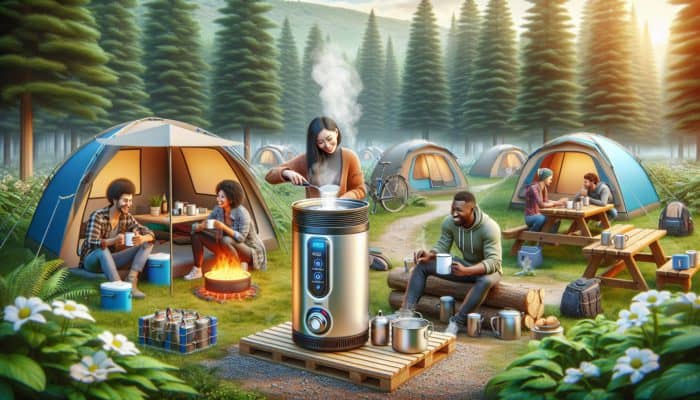
A portable water heater is an exceptionally efficient and compact appliance specifically engineered to heat water swiftly across a variety of settings. These remarkable devices offer significant convenience through features such as rapid boiling capacities and energy-saving modes, making them perfect for situations where permanent installations are not feasible. Whether you are camping in the heart of nature, hosting a vibrant family reunion, or preparing for a temporary outdoor gathering, the remarkable versatility of portable water heaters truly comes to the forefront. Their capability to deliver hot water in diverse situations underscores their critical role in enhancing comfort and convenience for users who are often on the move.
Identifying the Essential Components and Features of Portable Water Heaters
The fundamental components of a portable water heater encompass advanced heating elements, efficient storage tanks, and user-friendly controls, all meticulously designed to ensure safe and effective operation. Key safety features elevate the reliability of these devices in various applications, including:
- Automatic shutoff mechanisms that prevent overheating
- High-quality insulation materials to maintain optimal temperatures
- Overpressure relief valves ensuring safe operation
- Thermal cutoffs that avert electrical hazards
- Built-in sensors for precise temperature regulation
- Compact designs that facilitate easy transport
Each feature of portable water heaters is thoughtfully crafted to prioritise user safety and operational efficiency, making them an excellent choice for a wide range of environments, from home use to exciting outdoor adventures.
Exploring Practical Applications of Portable Water Heaters in Everyday Scenarios
Portable water heaters fulfil a multitude of roles, especially in scenarios involving travel or temporary setups where immediate access to hot water is essential. They play a vital role in maintaining hygiene and comfort across various daily activities. For example, envision enjoying a revitalising shower while camping, washing dishes at outdoor events, or preparing hot beverages during long road trips. The ability of these devices to provide hot water almost instantly enhances user convenience, allowing individuals to indulge in a touch of luxury, regardless of their surroundings or circumstances, making them indispensable in everyday life.
How Do Portable Water Heaters Achieve Effective Functionality?
Understanding the Fundamental Principles Behind Their Operation
Portable water heaters function by harnessing either electricity or gas to energise their internal heating elements. These elements generate the necessary heat to swiftly warm the water to the desired temperature. Thermostats play an essential role in regulating temperature, ensuring optimal performance and energy efficiency. This system guarantees that users receive consistent heating results while minimising energy waste. Although the operation may appear straightforward, the technology underpinning these devices is sophisticated, enabling reliable and efficient water heating in a compact design.
What Energy Sources Can Power Portable Water Heaters?
Users have an array of energy sources available for powering portable water heaters, including both electric and gas models. This flexibility empowers individuals to choose based on their available resources while ensuring efficient heating and prioritising ease of transport and setup in varied environments. Electric models are particularly well-suited for indoor settings where access to electrical outlets is readily available, while gas models excel in outdoor scenarios, allowing users the versatility to select the most appropriate option for their specific needs. This ensures that a reliable source of hot water remains accessible, regardless of location.
Essential Maintenance Practices to Extend the Lifespan of Portable Water Heaters
Regular cleaning and preventive maintenance are crucial to prevent issues such as scale buildup, and users can significantly prolong the lifespan of their portable water heaters through routine inspections and proper storage techniques. It is advisable to periodically flush the tank to eliminate stubborn mineral deposits that can accumulate and hinder performance. Storing the unit in a dry, protected environment when not in use also plays a significant role in enhancing its longevity. By implementing these maintenance strategies, users can ensure their portable water heaters remain efficient and reliable for years to come.
What Are the Key Safety Features of Portable Water Heaters?
Portable water heaters are built with critical safety mechanisms to protect users, including automatic shutoff systems that engage when overheating is detected or when water levels drop to dangerously low levels. These features are particularly essential for individuals operating these devices in various environments, whether at home or outdoors. Additional safety measures encompass overpressure relief valves and thermal cutoffs, which ensure dependable operation under diverse conditions. By integrating these vital safety features, manufacturers instill confidence in users, enabling safe and secure handling of the devices with minimal associated risks.
Expert Insights and Perspectives on Portable Water Heaters
Advantages of Portable Water Heaters for Everyday Users
Selecting the right portable water heater is paramount for maximising user benefits. It is important to consider factors such as size, power output, and intended usage to make an informed choice. For instance, lightweight models enhance portability for camping excursions, while sturdier units may be more suitable for regular outdoor gatherings. Real-world experiences illustrate how these devices simplify everyday routines, whether by offering a hot shower after an exhilarating day of hiking or facilitating quick meal preparation during family get-togethers.
What Drawbacks Should Users Be Mindful Of?
While portable water heaters provide numerous advantages, users should carefully assess aspects such as energy consumption and overall efficiency. It is vital to select models with commendable energy ratings to manage costs effectively and ensure sustainable operation. Furthermore, adhering to quality checks and following recommended usage guidelines can significantly mitigate the risks associated with improper use, ensuring that the device operates safely and effectively across various settings. Users can enjoy the benefits while minimising any potential drawbacks linked to these appliances.
Innovations Shaping the Future of Portable Water Heater Technology
Recent advancements in portable water heating technology have introduced smarter controls that enhance heating efficiency and user convenience. For instance, some modern models now feature app connectivity, allowing users to monitor and adjust settings remotely, thereby offering new functionalities and showcasing the full capabilities of portable water heaters. Real-world examples of these innovative devices highlight improved energy management, making them increasingly suitable for diverse requirements, whether in domestic settings or during outdoor escapades.
Environmental Considerations and Sustainable Practices in Portable Water Heaters
Experts underscore the significance of considering the environmental impact of portable water heaters. This includes scrutinising energy efficiency ratings and eco-friendly materials used in their construction. Consumers can actively reduce their ecological footprint by selecting models that prioritise sustainable practices, such as low emissions and recyclable components. Tips for identifying sustainable options encompass looking for certifications that denote energy efficiency and a commitment to environmental standards, ultimately contributing to a greener future while enjoying the convenience of on-demand hot water.
Data-Driven Benefits of Portable Water Heaters
Health and Safety Benefits Associated with Portable Water Heaters
Research indicates that portable water heaters significantly reduce contamination risks by providing fresh hot water. Trusted strategies for maintaining hygiene include regular cleaning and careful handling to prevent accidents. This is especially crucial in situations where clean water is essential, such as for meal preparation or personal hygiene, thereby supporting the overall health and well-being of users and providing peace of mind in various settings.
The Environmental Impact of Efficient Portable Water Heaters
Efficient models of portable water heaters play a pivotal role in resource conservation and contribute substantially to reducing carbon footprints. Eco-friendly attributes include:
- Low emissions that comply with environmental standards
- Recyclable components that minimise waste
- Energy-efficient designs that lower electricity consumption
- Manufacturing processes that prioritise sustainability
- Durable materials designed to extend the product lifecycle
By opting for models equipped with these features, users actively support sustainable practices and contribute to a more environmentally friendly approach to fulfilling their daily hot water needs.
Cost-Effectiveness of Portable Water Heaters Over Time
Analysis reveals that portable heaters can lead to significant savings on utility bills, especially for users who opt for energy-efficient models and adhere to appropriate maintenance practices. By budgeting for initial purchase costs versus anticipated savings, consumers can make informed decisions that enhance their overall financial health. Understanding the long-term cost implications allows users to optimise their investment while enjoying the advantages of consistent hot water access.
Why Prioritising Energy Efficiency Is Crucial for Portable Water Heaters
Research shows that portable water heaters utilise significantly less energy due to their rapid heating capabilities and advanced smart controls. Users are encouraged to choose models with high efficiency ratings that provide quick access to hot water while seamlessly integrating into various environments. By prioritising energy efficiency, users can enjoy reliable performance while supporting sustainability and reducing overall energy consumption in their daily lives.
What Features Should You Prioritise When Selecting a Portable Water Heater?
Key Performance Factors to Assess
When choosing a portable water heater, various factors such as capacity and heating speed are of utmost importance. These features ensure reliable performance across different volumes and cater to specific needs, whether for a solo camping expedition or a large family gathering. Units with higher capacity can efficiently deliver hot water for multiple users simultaneously, while those with rapid heating capabilities significantly enhance the user experience by minimising wait times and facilitating more efficient usage.
Why Opt for Portable Solutions Over Fixed Models?
The mobility offered by portable water heaters provides greater flexibility compared to stationary models, allowing for easy relocation and immediate access without complex setups. This advantage is particularly beneficial for outdoor enthusiasts who require hot water for cooking or hygiene while away from home. Portable heaters enable users to take their comfort along with them, transforming any location into a suitable environment for enjoying the benefits of hot water whenever needed.
How Does Integration with Other Devices Enhance Portable Water Heater Functionality?
Compatibility with other systems significantly enhances the overall utility of portable water heaters, enabling seamless connections that improve user experience. For example, several modern portable water heaters can integrate with smart home technology, allowing for automated temperature adjustments based on user preferences. This capability not only enriches the user experience but also adds layers of customisation, catering to the evolving demands of contemporary living.
Effective Strategies for Optimising the Use of Portable Water Heaters
Best Practices for Ensuring Safe Operation
Adhering to safe operation protocols is essential to avoid hazards, emphasising the importance of routine checks and proper placement to achieve effective results. Users should invest time in familiarising themselves with the user manual to ensure a comprehensive understanding of the specific requirements and limitations of their portable water heater. Proper usage not only guarantees safety but also maximises efficiency, allowing users to enjoy the benefits of hot water without unnecessary risks or complications.
Optimal Practices for Storage and Transportation
Properly securing portable water heaters during transport is vital in maintaining their integrity and ensuring they are ready for immediate use. When moving the unit, users should pack it in a protective case and avoid exposing it to extreme temperatures or moisture. Effective storage involves keeping the heater in a dry, stable environment when not in use, which significantly extends its lifespan and preserves optimal operational efficiency, ultimately enhancing user satisfaction.
Future Innovations Set to Transform Portable Water Heating Technology
Emerging technologies are poised to enhance the efficiency of portable water heaters, with evolving standards likely to shape user preferences in the coming years. Innovations such as solar-powered portable water heaters and advanced battery systems are on the horizon, promising even greater convenience and sustainability. By staying informed about these trends, users can make proactive choices, ensuring they benefit from cutting-edge advancements in portable water heating technology, ultimately leading to an enriched user experience.
Common Questions Regarding Portable Water Heaters
What Is the Average Time Required to Heat Water with Portable Water Heaters?
The average heating time can vary significantly depending on the model; however, most portable water heaters can heat water in approximately 10 to 30 minutes, depending on their capacity and power source.
Are Portable Water Heaters Suitable for Indoor Usage?
Yes, many portable water heaters are specifically designed for indoor applications, particularly electric models that are safe and effective for delivering hot water in confined spaces.
What Safety Concerns Should I Be Aware of with Portable Water Heaters?
Safety concerns may include the risks of overheating and potential electrical hazards. However, modern portable water heaters are equipped with features such as automatic shut-off systems and thermal cutoffs to minimise these risks and enhance user safety.
What Is the Best Method for Cleaning My Portable Water Heater?
Cleaning your portable water heater involves flushing the tank with a vinegar solution to eliminate mineral deposits. Regular maintenance checks for scaling and employing proper storage techniques are also crucial for prolonging the lifespan of the unit.
What Factors Should I Evaluate When Buying a Portable Water Heater?
It is important to consider size, heating capacity, energy source, portability, and safety features. These factors ensure that you choose a model that aligns with your specific needs and preferences, resulting in a satisfying purchase experience.
Is it Possible to Use a Gas Portable Water Heater While Camping?
Absolutely, portable gas water heaters are well-suited for camping, providing immediate access to hot water without the need for electrical outlets, which enhances the overall camping experience.
How Can I Improve the Energy Efficiency of My Portable Water Heater?
To enhance energy efficiency, opt for models with high efficiency ratings and implement proper usage and maintenance practices. Insulating the unit and using it only as needed can help conserve energy and reduce costs.
What Is the Typical Lifespan of a Portable Water Heater?
The lifespan of a portable water heater varies by brand and usage but typically ranges from 5 to 10 years. Regular maintenance can significantly extend the lifespan of the unit, ensuring optimal performance over time.
Can I Use a Portable Water Heater for Cooking Purposes?
Yes, portable water heaters can be effectively used for cooking, providing the hot water necessary for meal preparation and cleaning, making them versatile tools in both outdoor and indoor environments.
Join the conversation and connect with us on X!
The post Portable Water Heaters: Essential for Modern Living appeared first on Survival Bite.
The Article Portable Water Heaters: A Modern Living Essential Was Found On https://limitsofstrategy.com