Recognising Stress Indicators in Rescue Cats to Enhance Their Care
What key behavioural signs should you look for to identify stress in rescue cats?

Rescue cats often display a range of behavioural signs that clearly signal stress, which can negatively impact their well-being and impede their adjustment to new surroundings. Caregivers should be vigilant in observing prevalent indicators like hiding, pacing, and excessive vocalisation. Hiding is a natural instinct for cats seeking safety in confined spaces where they can observe their environment without feeling threatened. Conversely, pacing typically signifies anxiety or agitation, indicating that the cat is having difficulty managing its fears or discomfort.
Recognising these stress indicators is crucial for taking timely action. For instance, if a cat that was previously social begins to retreat to a corner or stops engaging with its environment, this may indicate stress stemming from environmental changes, such as the introduction of new pets, unfamiliar visitors, or loud noises. By detecting these behavioural alterations, caregivers can modify their approaches to ensure that the cat feels secure and supported in its new home.
Additionally, these behavioural signals can provide valuable insights into a cat's daily routines and habits. Changes in routines—such as variations in feeding schedules or the introduction of new activities—can elevate stress levels. By remaining attentive to these signs, caregivers can create a more predictable and stable environment, which is essential for the cat’s emotional recovery and overall health.
How can you observe subtle shifts in a rescue cat's body language?
Noticing subtle shifts in body language is vital for accurately assessing the emotional state of rescue cats. Behaviours such as ear flattening, tail twitching, and avoiding eye contact serve as strong indicators of discomfort or stress. Since cats primarily communicate through body language, understanding these signs can empower caregivers to foster a more nurturing atmosphere.
When a cat flattens its ears against its head, it typically reflects feelings of anxiety or fear. This posture can arise from various stimuli, including loud noises or unfamiliar scents. Additionally, a twitching tail often signifies agitation or irritation, suggesting that the cat is feeling tense or threatened. By recognising these signals, caregivers can initiate early interventions, such as offering safe spaces or removing stressors from their environment.
Creating a calming atmosphere and providing enriching environments can significantly alleviate these stress responses. For example, establishing vertical spaces like shelves or cat trees allows cats to feel more secure, granting them the ability to observe their surroundings from a higher vantage point. Introducing calming scents, such as pheromone diffusers, can also greatly reduce anxiety levels. Understanding these subtle cues not only aids in identifying stress but also empowers caregivers to take proactive measures to enhance the emotional well-being of their rescue cats.
What effects does stress have on a cat's daily habits and routines?
Stress in rescue cats can significantly disrupt their daily routines and habits, often resulting in substantial disturbances in eating and sleeping patterns. When a cat experiences stress, it may display lethargy, withdrawing from activities it once enjoyed, or alternatively, it may become overly active, showcasing signs of hyperactivity. Such shifts can be distressing for both the cat and its caregivers, who are committed to ensuring their pet's happiness and health.
Disrupted eating habits may manifest as a decreased appetite or, in some cases, increased food intake due to anxiety-driven behaviours. For instance, a stressed cat might skip meals or graze less frequently, leading to weight loss and potential nutritional deficiencies. Conversely, some cats may cope with anxiety through overeating, seeking comfort in food. Recognising these behavioural patterns is crucial for fostering stability and health in rescue cats.
Furthermore, stress can have a profound impact on a cat's sleeping habits. A stressed cat may struggle to settle down, spending excessive time pacing or roaming at night instead of resting. Caregivers should monitor these changes closely, as they often signify underlying emotional or physical health concerns. Providing a consistent daily routine, along with comfortable sleeping areas and engaging activities, can create a sense of security and predictability for the cat. By cultivating a stable environment, caregivers can significantly enhance the quality of life for their rescue cats.
Recognising Physical Indicators of Stress in Rescue Cats

How do physical symptoms of stress manifest in rescue cats?
Physical symptoms often serve as some of the most visible indicators of stress in rescue cats and can manifest through various signs, including dilated pupils and rapid breathing. These physical cues reflect the cat's internal emotional state and are crucial for evaluating their overall well-being. When a cat experiences stress, physiological changes occur; for instance, dilated pupils are a classic sign of heightened arousal or fear, an instinctive component of the fight-or-flight response that prepares the cat to confront or escape perceived threats.
Monitoring these physical signs is essential for preventing the escalation of stress-related issues. For example, a cat exhibiting dilated pupils alongside rapid breathing may swiftly develop more severe anxiety symptoms if not addressed promptly. Caregivers should strive to foster a calming environment by identifying and removing potential stressors whenever possible. This proactive approach can significantly enhance the cat's emotional stability and overall well-being.
Moreover, changes in physical behaviours—such as a cat's grooming patterns or posture—offer valuable insights into stress levels. A tense cat or one that excessively grooms itself might be engaging in self-soothing behaviours, underscoring the importance of vigilance in recognising these physical indicators. By employing strategies to mitigate stress—such as engaging in gentle play or providing secure resting areas—caregivers can effectively alleviate the physical symptoms associated with stress in rescue cats.
How do appetite changes and weight fluctuations signal stress?
Changes in appetite and weight are often prominent indicators of stress in rescue cats, reflecting their emotional state. A cat that suddenly loses interest in food or exhibits fluctuating weight patterns may be grappling with underlying anxiety or distress. Emotional factors, frequently linked to changes in the environment, can directly influence a cat's desire to eat or lead to overeating as a coping mechanism.
Monitoring these fluctuations is vital for understanding a cat's overall health. Weight loss can be particularly concerning, as it may indicate inadequate nutrition, compromising the cat's immune system and overall health. Conversely, overeating can lead to obesity, introducing a new array of health risks. Caregivers should regularly observe their cat's eating habits, recognising that even minor changes can signal deeper emotional issues.
Establishing consistent feeding routines can help mitigate stress associated with changes in appetite. Providing high-quality, palatable food can entice a stressed cat to eat, while creating a calming feeding environment—free from distractions—fosters a sense of security. Understanding the connection between stress and appetite enables caregivers to address potential issues proactively, ensuring that their rescue cats receive the necessary nutrition to thrive in their new homes.
What visible health issues can arise, like fur loss?
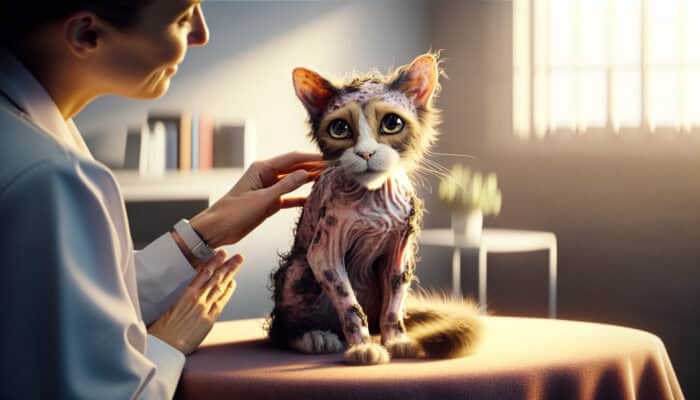
Visible health issues, such as fur loss, frequently indicate stress in rescue cats and may signify underlying emotional distress or anxiety. Stress-related fur loss often manifests as excessive shedding or bald patches, resulting from a cat's disrupted grooming behaviours. When a cat is anxious, it may either neglect grooming or over-groom as a means of self-soothing, leading to hair loss and skin irritations.
Early detection through regular grooming and health checks is vital for addressing these symptoms. Caregivers should be attentive to changes in their cat's coat condition, as fur matting or excessive shedding can indicate prolonged anxiety or discomfort. Implementing a gentle grooming routine not only helps maintain the cat's fur but also serves as a bonding activity that promotes relaxation.
Creating a stress-free environment is essential for preventing further issues related to fur loss. Providing enriching activities, such as interactive toys or climbing structures, can help alleviate stress and encourage healthy grooming behaviours. Moreover, addressing the underlying causes of stress—whether through environmental changes or socialisation techniques—can lead to significant improvements in a rescue cat's overall well-being, fostering recovery and comfort over time.
How do tremors and shaking reflect stress in cats?
Tremors or shaking in rescue cats often serve as direct physical signs of stress, reflecting significant internal turmoil. When a cat experiences high anxiety levels, its body may respond with tremors due to heightened emotional distress. These symptoms can be alarming for caregivers, who must recognise that such reactions signify the cat's struggle to cope with stressors in its environment.
Regular monitoring of these symptoms is crucial for early detection and management. Cats exhibiting tremors may also display other signs of anxiety, like hiding or excessive vocalisation. Caregivers should strive to identify potential triggers, whether they involve environmental changes, unfamiliar visitors, or loud noises, and address them promptly. By recognising and mitigating stressors, caregivers can help alleviate the underlying emotional strain that causes physical symptoms like trembling.
Creating a calming environment allows caregivers to utilise various strategies to minimise stress responses in their rescue cats. Techniques such as providing safe hiding spots, using calming pheromones, or engaging in gentle, reassuring interactions can significantly lower anxiety levels. Understanding that tremors signal distress empowers caregivers to take immediate action, fostering a supportive atmosphere that promotes emotional balance and overall well-being.
What do altered grooming behaviours indicate about a cat's stress level?
Altered grooming behaviours, such as excessive grooming that leads to bald spots, are common physical indicators of stress in rescue cats. Anxiety can prompt a cat to over-groom as a means of self-soothing, resulting in skin irritations and further exacerbating emotional instability. Caregivers should remain vigilant about these behaviours, as they often indicate that a cat is struggling to cope with stressors in its environment.
Addressing altered grooming behaviours involves creating a supportive atmosphere that encourages healthy grooming habits. Providing environmental enrichment—such as interactive toys, scratching posts, and climbing structures—can redirect a cat's energy and reduce anxiety levels. Additionally, ensuring that the cat has access to safe, quiet spaces where it can retreat when feeling overwhelmed is vital for promoting emotional well-being.
Regularly monitoring a cat's grooming patterns enables caregivers to identify changes early. If a cat begins to over-groom or neglect grooming entirely, it may indicate underlying stress that requires intervention. Implementing calming routines, such as gentle playtime or scheduled quiet periods, can help reduce anxiety and promote healthier grooming behaviours. Ultimately, understanding the connection between grooming and emotional health empowers caregivers to provide the best possible care for their rescue cats.
Understanding the Triggers of Stress in Rescue Cats
What triggers initial stress responses in cats?
Initial stress responses in rescue cats frequently arise from unfamiliar settings or sudden changes in their environment. Early signs, such as increased vocalisation or noticeable restlessness, can indicate a cat's anxiety as it navigates new experiences. Common triggers may encompass the introduction of new pets, shifts in household routines, or even unfamiliar sounds that disrupt the cat’s sense of security.
Recognising these early indicators empowers caregivers to respond effectively and maintain emotional balance for their cats. For instance, if a typically quiet cat suddenly vocalises more frequently, it may be reacting to stressors within its environment. Caregivers should carefully assess the context, identifying potential triggers that may be causing the cat's distress. Taking immediate action to alleviate these stressors—whether by creating calming spaces or providing comforting interactions—can significantly mitigate the impact of stress on the cat's well-being.
Furthermore, understanding that each cat is unique in its responses to stress is essential for delivering tailored care. Factors such as past experiences and individual personalities can shape how a cat reacts to new stimuli. Caregivers should observe and adapt their strategies based on their cat's specific needs, fostering a sense of stability and security that supports emotional health.
What are the differences between emotional and physical manifestations of stress?
Stress in rescue cats can manifest emotionally and physically, with each type influencing behaviour in distinctive ways. Emotional manifestations may include mood swings, increased aggression, or withdrawal, while physical symptoms often present as changes in grooming habits, appetite, or overall demeanour. Understanding this duality is crucial for providing comprehensive care and support for rescue cats.
Emotional responses, such as heightened irritability or social withdrawal, can significantly impact a cat's interactions with both humans and other pets. For example, a stressed cat may become more aggressive toward other animals or withdraw from social interactions entirely. Recognising these emotional cues allows caregivers to adjust their approaches and cultivate a more harmonious living environment.
In contrast, physical manifestations often offer visible indicators of stress. Changes in grooming patterns—such as over-grooming or neglecting grooming altogether—can signal that a cat is grappling with its emotional state. Caregivers must remain vigilant in monitoring these physical signs, as they can provide valuable insights into a cat's overall well-being. By understanding the interplay between emotional and physical manifestations of stress, caregivers can develop comprehensive strategies that address both aspects of a cat's health, fostering a balanced and supportive environment.
What long-term behavioural patterns can result from stress?
Repeated stress in rescue cats can lead to persistent behavioural patterns, such as avoidance or heightened aggression. Over time, these behaviours can become ingrained, significantly affecting a cat's quality of life and interactions with its environment. Caregivers should be proactive in identifying and addressing these patterns to foster resilience and emotional stability.
Common long-term behaviours associated with stress include withdrawal from social situations and reluctance to engage in play. If a cat consistently avoids interactions or displays signs of aggression, it may indicate that underlying stressors have not been adequately addressed. To combat these patterns, caregivers can implement various coping strategies tailored to their cat's unique needs.
- Engage in regular interactive play to foster positive associations with social interactions.
- Create a stable routine to provide predictability and reduce anxiety.
- Introduce environmental enrichment, such as toys and climbing structures, to stimulate natural behaviours.
- Utilise calming products, such as pheromone diffusers, to create a more serene atmosphere.
- Encourage gradual socialisation with new people or pets to build confidence.
- Monitor changes in behaviour closely, adjusting care strategies as needed.
- Practice patience and understanding as the cat adapts to its environment.
By implementing these strategies, caregivers can help rescue cats build resilience against stress and promote healthier behaviours. Creating a supportive and enriching environment plays a crucial role in enabling cats to overcome past traumas and adapt positively to their new homes.
Expert Insights into Stress Indicators in Rescue Cats
What are the key factors in expert analysis?
Interpreting stress signs in rescue cats requires a keen understanding of observed patterns and behavioural cues. Experts highlight the importance of recognising individual cat behaviours and correlating them with potential causes of stress. For instance, a cat that consistently hides after a new person enters the home may be exhibiting a clear sign of anxiety related to unfamiliarity. Caregivers should take actionable steps to decode these behaviours, ensuring a deeper understanding of their pet’s emotional state.
One practical approach is to maintain a journal of observed behaviours and changes in routines. By documenting specific instances of stress responses, caregivers can identify trends over time that may correlate with new experiences or environmental shifts. This proactive method enables caregivers to respond more effectively to their cat's needs, leading to improved outcomes in emotional health.
Additionally, expert analysis emphasises the importance of being alert for combinations of stress indicators. A cat displaying multiple signs—such as hiding, increased vocalisation, and alterations in eating habits—may require immediate intervention. Caregivers should remain vigilant and be willing to adjust their strategies based on their cat's unique responses, creating a tailored approach to support their emotional and physical well-being.
What advanced detection techniques can be utilised?
Experts recommend employing advanced detection techniques to monitor subtle cues in rescue cats, significantly enhancing awareness and early intervention capabilities. One effective method is observing shifts in posture during interactions. For instance, a cat that suddenly crouches low to the ground or flattens its ears when approached may be signalling discomfort or fear. Understanding these nuances allows caregivers to take immediate steps to mitigate stress.
Another practical technique involves utilising video recordings to analyse behavioural patterns over time. By observing a cat's behaviour in different settings—both alone and in the presence of humans—caregivers can identify stress triggers and responses more clearly. This approach provides valuable insights into how environmental factors influence a cat's emotional state.
Additionally, incorporating technology, such as behaviour-tracking apps or automatic feeders, can assist in monitoring changes in eating habits and activity levels. These tools offer insights into a cat's daily routines, making it easier to spot deviations that may indicate stress. Utilising these advanced detection techniques empowers caregivers to take proactive measures in managing stress, leading to improved emotional health for rescue cats.
How can professional advice enhance cat care?
Consulting with feline behaviour specialists or veterinarians can significantly improve the understanding and management of stress in rescue cats. Professionals can offer tailored assessments based on observed behaviours, providing invaluable insights into the underlying causes of stress. This collaborative approach allows caregivers to implement effective strategies tailored to their cat's specific needs.
Professional advice often emphasises a multi-faceted approach to stress management. This includes environmental modifications, behavioural training, and, if necessary, dietary adjustments to support overall health. Specialists may recommend implementing gradual exposure techniques to help cats acclimatise to new environments or experiences, fostering resilience and confidence.
Moreover, integrating calming techniques, such as pheromone therapy or meditation, can further enhance emotional well-being. Professionals can guide caregivers on creating a serene atmosphere that promotes relaxation and reduces anxiety. By actively seeking and applying expert advice, caregivers can develop a comprehensive plan that addresses the complexities of stress management in rescue cats.
Understanding the Long-Term Effects of Stress
How does chronic stress impact a cat's health?
Chronic stress in rescue cats can lead to severe long-term health consequences, including weakened immune systems and chronic illnesses. Prolonged exposure to stressors adversely affects the cat's overall well-being, making it more susceptible to various health issues. Stress triggers the release of cortisol and other hormones, which, over time, can compromise the cat's immune response, increasing the likelihood of infections and illnesses.
Understanding the broader consequences of chronic stress is essential for caregivers who aim to promote stability in their cats’ lives. For example, a cat experiencing ongoing stress may develop gastrointestinal issues, skin conditions, or behavioural disorders. Recognising these potential health risks underscores the importance of addressing stressors proactively and creating a supportive environment for rescue cats.
Implementing preventive measures to combat chronic stress can significantly enhance a cat's quality of life. Strategies such as providing a stable routine, engaging in regular playtime, and monitoring environmental changes foster emotional balance and resilience. By prioritising the cat's mental health, caregivers can mitigate the long-term effects of stress and promote overall stability and wellness.
What does behavioural deterioration over time look like?
Stress can lead to behavioural deterioration over time in rescue cats, manifesting as increased aggression, withdrawal, or avoidance of social interactions. As stress levels rise, cats may develop enduring habits that compromise their quality of life and hinder their ability to adapt to new environments. Recognising these changes early is crucial for implementing effective interventions.
For instance, a cat displaying escalating aggression may be trying to communicate its distress, while a cat that withdraws from socialisation may feel overwhelmed by its surroundings. Caregivers should work to identify the underlying causes of these behavioural changes, as they often stem from unmet emotional needs. Early intervention can prevent further deterioration and promote mental health.
Strategies for managing behavioural deterioration include providing enriching environments that stimulate natural behaviours, engaging in consistent interactions, and ensuring a stable routine. By fostering a sense of security and predictability, caregivers can help rescue cats navigate their stressors and encourage healthier social interactions. Proactive measures are key to preserving mental health and supporting overall well-being.
Why are follow-up measures essential for cats in care?
Follow-up measures are critical for addressing the persistent effects of stress in rescue cats. Ongoing monitoring enables caregivers to identify key recovery signs and assess the effectiveness of their interventions. Recognising that stress impacts cats differently, caregivers must remain vigilant in tracking changes in behaviour or health to ensure long-term success.
Caregivers should maintain a checklist of key recovery signs to monitor, which may include improved grooming habits, increased engagement in play, and a stable appetite. Regularly assessing these indicators provides valuable insights into the cat’s emotional state and allows for timely adjustments to care strategies.
- Return to normal grooming behaviours.
- Engagement in social interactions with people and pets.
- Consistent eating habits and stable weight.
- Increased activity levels and playfulness.
- Reduction in hiding or avoidance behaviours.
- Calm demeanour during routine activities.
- Positive responses to new stimuli or environments.
By implementing a structured follow-up plan, caregivers can promote enduring health and emotional balance in rescue cats. This proactive approach not only supports recovery but also fosters a stronger bond between caregivers and their feline companions.
Research-Backed Benefits of Understanding Stress Indicators in Rescue Cats
What evidence-based identification methods are available?
Research highlights reliable methods for spotting stress indicators in rescue cats, emphasising the importance of behavioural tracking as an effective identification strategy. Caregivers can benefit from understanding key signs of stress, such as changes in vocalisation patterns or alterations in grooming. Recognising these indicators enables timely interventions that promote emotional well-being.
One evidence-based approach involves maintaining a detailed log of observed behaviours. Keeping track of specific stress indicators allows caregivers to identify patterns over time and correlate them with environmental changes or interactions. This proactive documentation can significantly enhance a caregiver's ability to recognise when their cat is experiencing stress, leading to more effective management strategies.
Additionally, studies suggest that engaging in regular enrichment activities can foster resilience and reduce stress levels. Implementing interactive play sessions or providing a variety of toys encourages natural behaviours while offering outlets for energy and frustration. By employing evidence-based methods for identifying and managing stress, caregivers can create a supportive environment that promotes healthier emotional responses in rescue cats.
What outcomes can be expected from early intervention strategies?
Research demonstrates that early intervention strategies can significantly reduce the impacts of stress in rescue cats. Timely responses to stress indicators help mitigate the escalation of anxiety-related behaviours, enhancing the overall quality of life for cats in new environments. By recognising and addressing stress early, caregivers can foster a sense of security that promotes emotional recovery.
Real-world examples highlight the success of early intervention techniques. For instance, a cat exhibiting signs of stress—such as hiding or excessive grooming—benefited from immediate environmental adjustments, such as providing safe spaces and enriching activities. As a result, the cat's anxiety levels diminished over time, leading to improved confidence and social interactions.
Caregivers who implement early intervention strategies can also observe positive behavioural changes, such as increased engagement in play and reduced avoidance. These outcomes reinforce the importance of recognising stress indicators and taking proactive measures to create a supportive environment. By prioritising early intervention, caregivers can effectively promote lasting emotional health and well-being in rescue cats.
How can insights help build resilience in rescue cats?
Expert analysis reveals that understanding stress indicators strengthens resilience in rescue cats, allowing them to adapt more effectively to new environments. By fostering awareness of behavioural cues and emotional needs, caregivers can create strategies that enhance a cat's emotional strength over time. This resilience is vital for helping cats navigate potential stressors and thrive in their new homes.
Research supports the idea that positive interactions and enriched environments contribute to a cat's ability to cope with stress. For instance, engaging in regular playtime and providing opportunities for exploration can build confidence and reduce anxiety. These practices not only foster resilience but also promote a stronger bond between caregivers and their feline companions.
Moreover, implementing consistent routines can enhance a cat’s ability to adapt to changes in its environment. By providing predictability and stability, caregivers empower their rescue cats to face new experiences with confidence. Understanding that building resilience is a gradual process allows caregivers to be patient and supportive, creating a nurturing atmosphere that fosters long-term emotional health.
What long-term effects can be observed on adoption success?
Studies demonstrate that recognising stress indicators in rescue cats can significantly boost adoption rates and facilitate long-term adjustments. Understanding and addressing the emotional needs of these cats helps prepare them for successful transitions into new homes, fostering positive outcomes for both pets and their caregivers.
Research-backed strategies for utilising stress indicators involve providing comprehensive behavioural assessments prior to adoption. This process allows potential adopters to understand the individual needs of each cat, promoting informed decision-making and ensuring a good match between pet and owner. By emphasising the importance of addressing stress before adoption, caregivers can foster successful integrations and reduce the likelihood of returns.
Additionally, ongoing support for adopters—through educational resources and follow-up communications—can enhance long-term success. By equipping adopters with tools to recognise and manage stress indicators, caregivers promote healthier relationships between cats and their new families. Ultimately, understanding the connection between stress management and adoption success lays the groundwork for a brighter future for rescue cats around the world.
Why Is Early Detection of Stress Important?
What role does timing play in stress management?
Early detection of stress in rescue cats is crucial for effective management, as promptly addressing initial signs can prevent severe outcomes. Recognising stress indicators early allows caregivers to take swift action, minimising distress and supporting recovery. Timely intervention is essential for fostering a sense of stability and security in a cat's new environment.
Immediate responses to stress can significantly alter a cat's emotional trajectory. For example, if a cat begins to vocalise excessively or exhibit signs of withdrawal, caregivers can intervene by assessing potential triggers and creating a more supportive atmosphere. By addressing these initial signs promptly, caregivers can help their cats regain confidence and emotional balance.
Understanding that timing plays a vital role in stress management empowers caregivers to be proactive. By remaining vigilant and observant, they can identify stress indicators quickly and implement strategies to alleviate anxiety. Ultimately, early detection is a cornerstone of effective stress management, promoting long-term well-being for rescue cats.
What signs require immediate attention for stressed cats?
Certain stress indicators in rescue cats warrant immediate attention due to their potential to escalate if overlooked. For instance, excessive grooming is a clear signal that a cat is experiencing significant stress and may lead to physical harm, such as skin irritations or fur loss. Caregivers should recognise this behaviour as a cry for help and address it promptly.
Other stress signs that require immediate intervention include aggressive behaviour, persistent hiding, or refusal to eat. If a cat displays aggression, it may be attempting to communicate its discomfort or fear. Hiding can indicate overwhelming anxiety, while refusal to eat may signal severe emotional distress, necessitating prompt action. Recognising these signs allows caregivers to take proactive measures that address the root causes of stress.
By responding swiftly to these urgent indicators, caregivers can implement strategies that promote emotional balance and prevent further escalation. Creating a supportive environment, providing safe spaces, and offering calming interventions can significantly improve a cat's well-being. Understanding the importance of immediate attention to stress signs empowers caregivers to foster healthier emotional responses in rescue cats.
How can preventive education benefit caregivers?
Educating caregivers about stress cues is essential for empowering them to take proactive measures in the care of rescue cats. By sharing knowledge about common stress indicators and effective management strategies, caregivers can foster healthier habits that reduce the likelihood of prolonged issues. Understanding the signs of stress equips caregivers with the tools needed to recognise when their cats require support.
Preventive education can involve workshops, informational resources, or online training sessions focused on identifying and addressing stress in rescue cats. By providing insights into behavioural cues and emotional needs, caregivers can develop a deeper understanding of their pets’ well-being. This knowledge fosters a sense of responsibility and compassion, encouraging caregivers to create nurturing environments.
Additionally, open communication between caregivers and animal welfare organisations can enhance support networks for rescue cats. Encouraging dialogue about individual cats' needs allows caregivers to share experiences and learn from one another. By prioritising preventive education, caregivers can cultivate a culture of understanding and empathy, ultimately promoting healthier outcomes for rescue cats in their care.
Effective Strategies for Reducing Stress
What effective environmental adjustments can be made?
Creating safe spaces and implementing effective environmental adjustments are critical for alleviating stress in rescue cats. Simple changes, such as providing cosy hiding spots and vertical spaces, can significantly enhance a cat's sense of security. Safe spaces allow cats to retreat when feeling overwhelmed, promoting emotional well-being.
To create a calming environment, caregivers can designate quiet areas in their homes where cats can escape from noise and distractions. Providing soft bedding, hiding boxes, and perches encourages feelings of safety and comfort. Additionally, removing potential stressors, such as loud appliances or sudden changes in routine, can further enhance a cat's emotional stability.
Environmental enrichment also plays a vital role in reducing stress. Engaging cats with toys, scratching posts, and climbing structures stimulates their natural instincts and promotes healthy behaviours. By offering a variety of enriching activities, caregivers can help alleviate boredom and anxiety, fostering a more balanced emotional state. Effective environmental adjustments empower caregivers to create supportive atmospheres that promote emotional health and resilience in rescue cats.
How can interactive play and enrichment activities benefit cats?
Engaging rescue cats in interactive play and enrichment activities is an essential strategy for reducing stress and promoting emotional well-being. Playtime provides an outlet for natural behaviours, allowing cats to express their energy and instincts positively. This interaction not only strengthens the bond between cats and their caregivers but also fosters confidence and reduces anxiety.
Incorporating a variety of toys and activities can significantly enhance playtime experiences. Interactive toys that encourage problem-solving or mimic prey movements can captivate a cat's attention, providing mental stimulation and physical exercise. Caregivers should consider rotating toys regularly to maintain novelty and prevent boredom, keeping cats engaged and active.
Moreover, establishing a routine that includes dedicated playtime fosters predictability, which is crucial for reducing stress. Regularly scheduled play sessions create opportunities for bonding and interaction while reinforcing a sense of security. By prioritising interactive play and enrichment activities, caregivers can promote healthier emotional responses and enhance the overall quality of life for their rescue cats.
What natural remedies and routines can be beneficial for stress reduction?
Incorporating natural remedies and calming routines can significantly aid in stress reduction for rescue cats. Gentle handling techniques, such as slow petting and soft spoken words, can create a relaxing atmosphere that nurtures emotional well-being. Establishing calming routines helps reinforce a sense of safety, enabling cats to navigate their environments with confidence.
Caregivers can also explore natural remedies, such as calming pheromones or herbal supplements, to support emotional health. Products designed to mimic feline facial pheromones can create a sense of familiarity and comfort, reducing anxiety levels. By integrating these remedies into the cat's daily routine, caregivers can foster a serene environment that promotes relaxation and emotional balance.
Additionally, creating consistent feeding and play schedules can further enhance routines that support tranquility. Predictable activities provide structure and stability, which are essential elements for reducing anxiety. By prioritising natural remedies and routines, caregivers can cultivate a nurturing atmosphere that helps rescue cats thrive emotionally, paving the way for a brighter future.
Monitoring and Follow-Up Care for Rescue Cats
What ongoing observation techniques should be employed?
Ongoing observation techniques are essential for ensuring that rescue cats maintain stability and emotional health. Regular checks for stress signs enable caregivers to identify any emerging issues and address them promptly. By remaining vigilant and attentive, caregivers can catch subtle changes in behaviour that may indicate stress, ensuring timely intervention.
One effective observation technique involves routine check-ins during daily interactions. Caregivers should prioritise spending quality time with their cats, observing any shifts in behaviour or demeanour. Techniques such as monitoring eating habits, grooming patterns, and overall activity levels provide valuable insights into a cat's emotional state.
Additionally, documenting observations over time can help caregivers identify patterns and correlations with environmental changes. Maintaining a journal allows for a clearer understanding of a cat’s emotional responses and aids in recognising when adjustments are necessary. By employing ongoing observation techniques, caregivers can promote emotional stability and well-being for their rescue cats.
How should care be adjusted based on individual responses?
Adjusting care based on individual stress responses in rescue cats is crucial for improving outcomes. Understanding that each cat may react differently to stressors allows caregivers to tailor their approaches and implement effective strategies. By observing a cat's unique responses, caregivers can create customised care plans that address specific needs.
For instance, if a cat exhibits signs of fear around certain individuals, caregivers may choose to gradually socialise the cat through controlled interactions. Conversely, if a cat displays signs of anxiety when introduced to new environments, caregivers can implement gradual acclimatisation techniques to foster confidence.
Flexibility in care approaches is vital, as it enables caregivers to adapt to changing circumstances and respond to a cat's evolving needs. By actively adjusting care based on individual stress responses, caregivers can promote stability and emotional well-being in rescue cats, ensuring they thrive in their new environments.
What does long-term wellness planning involve for rescue cats?
Developing comprehensive long-term wellness plans addresses persistent stress in rescue cats, emphasising the importance of proactive care strategies. By recognising that stress management is an ongoing process, caregivers can create structured routines that promote emotional balance and stability over time.
These plans should include regular veterinary checkups, behavioural assessments, and consistent monitoring of stress indicators. Caregivers can incorporate enrichment activities, interactive play, and calming routines into their long-term wellness plans, fostering emotional resilience and enhancing overall quality of life.
Additionally, ongoing education about feline behaviour and stress management equips caregivers with the knowledge needed to navigate challenges effectively. By prioritising long-term wellness planning, caregivers can create environments that support lasting health and emotional well-being for their rescue cats, ultimately paving the way for successful integrations into loving homes.
Frequently Asked Questions About Stress in Rescue Cats
What are common signs of stress in rescue cats?
Common signs of stress in rescue cats include hiding, excessive vocalisation, changes in eating habits, altered grooming behaviour, and increased aggression. Monitoring these signs can help caregivers identify and address stress early, ensuring better outcomes for the cat.
How can I help a stressed rescue cat?
Helping a stressed rescue cat involves creating a calm environment, providing safe spaces, engaging in interactive play, and monitoring stress indicators. Consistency and patience are key to fostering emotional recovery and wellbeing.
What role do environmental factors play in cat stress?
Environmental factors such as noise, unfamiliar people, and changes in routine can significantly impact a cat's stress levels. Creating a stable and predictable environment helps reduce anxiety in rescue cats, promoting overall well-being.
Are there natural remedies for calming stressed cats?
Yes, natural remedies such as pheromone diffusers, herbal supplements, and calming music can help reduce stress in rescue cats. Additionally, gentle handling and consistent routines contribute to emotional well-being.
How often should I monitor my cat for stress indicators?
Regular monitoring—ideally daily or weekly—is recommended to observe any changes in behaviour or habits. Frequent check-ins allow caregivers to catch stress indicators early and respond appropriately, enhancing the cat's emotional health.
What are the long-term effects of untreated stress in cats?
Untreated stress in cats can lead to chronic health issues, behavioural deterioration, and decreased quality of life. Addressing stress promptly is crucial for maintaining overall well-being and preventing serious health complications.
How can I tell if my cat is over-grooming?
Signs of over-grooming include bald patches, skin irritations, and changes in grooming frequency. Caregivers should closely monitor their cat's grooming habits to identify any concerning patterns that may indicate stress or anxiety.
Can playtime help reduce stress in cats?
Yes, interactive playtime is an effective way to reduce stress in cats. It stimulates natural behaviours, promotes bonding, and provides an outlet for energy and anxiety, contributing to a healthier emotional state.
Why is early detection of stress important?
Early detection of stress is vital as it allows caregivers to address issues before they escalate into more serious problems, promoting emotional well-being and preventing long-term health effects. Timely intervention is essential for the cat's recovery.
What should I do if my cat shows aggressive behaviour?
If your cat shows aggressive behaviour, assess the situation for potential stressors and remove them if possible. Gradual desensitisation and positive reinforcement can help improve the cat's behaviour over time, fostering a more harmonious environment.
Connect with us on Facebook!
The Article Stress Indicators in Rescue Cats: Key Signs to Watch For First Published On https://elgatoencasa.com
The Article Stress Indicators in Rescue Cats: Essential Signs to Recognise Was Found On https://limitsofstrategy.com