Ultimate Guide to Meeting the Nutritional Needs of Senior Cats
What Dietary Changes Are Crucial for the Health of Senior Cats?
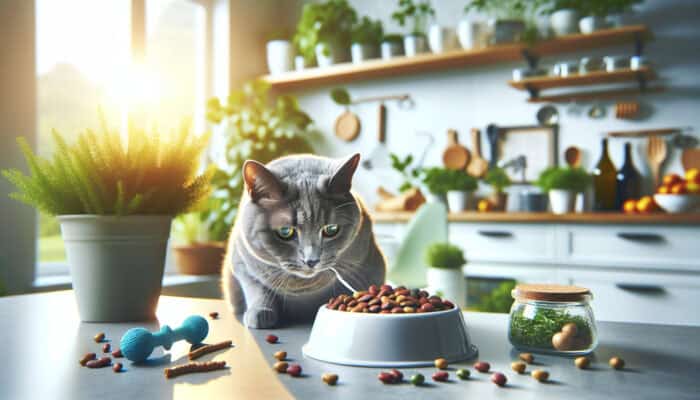
As cats age, their nutritional requirements evolve significantly, necessitating thoughtful adjustments in their diet. Senior cats must receive a well-balanced caloric intake that supports their weight and overall health. This shift necessitates a focus on vital nutrients that enhance joint health, including glucosamine and chondroitin. By implementing these dietary changes, you can help maintain their mobility and energy levels, ensuring their meals are balanced to avert complications like obesity and malnutrition as they grow older. Key nutrients for senior cats include:
- High-quality proteins to preserve muscle mass
- Omega-3 fatty acids for cognitive health and joint support
- Antioxidants, especially vitamin E, to mitigate oxidative stress
- B vitamins to enhance energy levels and support immune health
- Calcium and phosphorus for robust bone strength
- Glucosamine and chondroitin for improved joint function
- Fiber to ensure digestive health
- Sources of hydration, particularly wet food
Making these dietary changes is essential for fostering a healthier lifestyle for senior cats, considerably extending their lifespan and improving their quality of life. A customised dietary plan that meets their changing needs can effectively reduce the risk of obesity-related health issues. Regularly updating their meals is crucial to reflect any shifts in their health status or activity levels.
What Vitamins and Minerals Are Essential for Senior Cats’ Health?
To ensure optimal health in senior cats, it is vital to deliver a balanced intake of critical vitamins and minerals. Antioxidants, particularly vitamin E, are instrumental in counteracting oxidative stress, which can lead to chronic health issues. These essential vitamins support a robust immune system, which often weakens with advancing age. Additionally, minerals such as calcium and phosphorus are crucial for maintaining bone health, helping prevent conditions like osteoporosis.
It is equally important to assess not just the presence of these nutrients but also their bioavailability—the extent to which they are absorbed and utilised by the body. A diet abundant in lean proteins, whole grains, and beneficial fats ensures that senior cats receive these vital nutrients in a form their bodies can readily digest. For example, adding vitamin-rich fruits and vegetables to their meals can provide natural sources of these essential vitamins, thereby enhancing their overall nutrition and well-being.
Furthermore, keeping an eye on their intake of B vitamins, particularly B12 and B6, is crucial as these nutrients play a role in energy metabolism and red blood cell formation. This careful balance of vitamins and minerals is fundamental in promoting longevity and vitality in senior cats.
How Can You Monitor Your Senior Cat’s Weight and Body Condition Effectively?
Regularly tracking your senior cat's weight and body condition is vital for ensuring their dietary needs are adequately met. As cats age, they may experience fluctuations in weight due to a natural decline in metabolism or variations in their activity levels. Therefore, it is essential to adjust their food intake as necessary. Emphasising high-quality proteins can aid in maintaining muscle mass while effectively managing weight, a key factor in their overall health.
Maintaining an ideal body condition not only boosts their vitality but also diminishes the risk of numerous health complications. Establishing a routine check-up schedule with a veterinarian to regularly assess their body condition score is advisable. This practice enables pet owners to recognise early indications of weight gain or loss, facilitating timely dietary adjustments that can prevent obesity or malnutrition.
A consistent feeding regimen that prioritises high-quality food is also crucial for maintaining a healthy weight. By providing balanced meals at regular intervals, cat owners can help their pets sustain energy levels while avoiding the pitfalls of excess fat and muscle loss. This diligence not only promotes vitality but also enhances the overall quality of life for senior cats.
How Does Age Impact the Nutritional Needs of Cats?
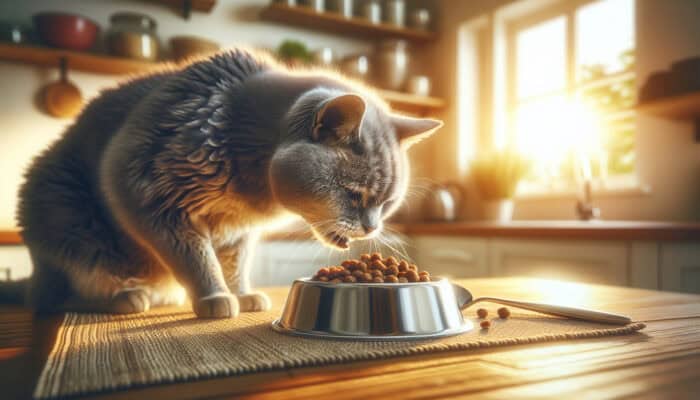
What Is the Impact of Metabolism on Older Cats?
As cats age, their metabolism naturally slows down, leading to a decreased caloric requirement. This shift necessitates careful dietary management, where fewer calories must be compensated with more nutrient-dense foods. A diet abundant in high-quality protein is vital for maintaining energy levels without contributing to excess weight gain. If caloric intake is not adjusted appropriately, older cats may face health challenges such as obesity, which can lead to complications like diabetes or joint issues.
To adapt to these metabolic changes, it is crucial to prioritise foods that are lower in calories yet rich in essential nutrients. High-quality commercial cat foods formulated specifically for senior cats typically meet these dietary requirements, offering an appropriate balance of proteins, fats, and vital vitamins. These formulations ensure that older cats receive the necessary nutrients while steering clear of the dangers associated with overfeeding.
Furthermore, understanding how metabolism affects dietary needs empowers cat owners to make informed choices. Regular consultations with a veterinarian can help to create a tailored dietary plan that adjusts caloric intake based on the cat's lifestyle, activity level, and overall health, ensuring a balanced and healthy diet for their golden years.
How Can You Identify Signs of Nutritional Deficiencies?
Recognising signs of nutritional deficiencies in senior cats is crucial for maintaining their health and overall well-being. Common indicators include dull fur, lethargy, weight loss, and behavioural changes. These symptoms often arise from a diet lacking essential nutrients. Routine assessments of your cat’s coat condition and energy levels can provide early insights into potential deficiencies.
Changes in appetite or drinking patterns can also signal inadequate nutrition. If a senior cat becomes less interested in food or exhibits signs of dehydration, it may indicate that their diet is not fulfilling their nutritional needs. Promptly addressing these deficiencies with enhanced diets can significantly improve their quality of life. For instance, introducing high-quality proteins, appropriate fats, and essential vitamins can elevate their energy levels and overall health.
Additionally, incorporating regular veterinary visits can assist in monitoring any potential deficiencies. Veterinary professionals can recommend specific dietary changes or supplements that align with the individual cat's health status. Early detection and proactive dietary management can have a profound impact on a senior cat's vitality and longevity, ensuring they remain active and engaged in their daily lives.
How Should Feeding Schedules Be Modified for Senior Cats?
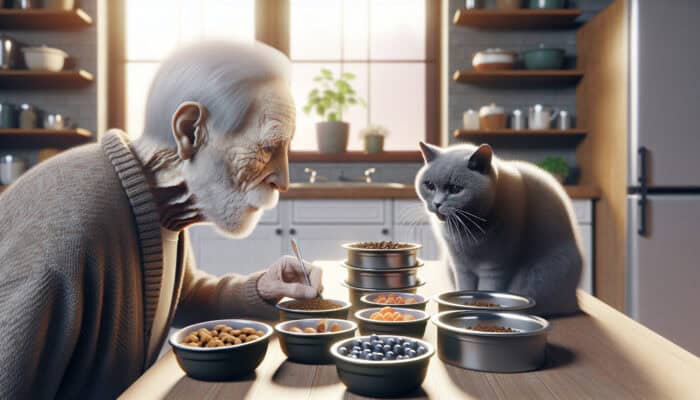
Feeding schedules are critical to the well-being of senior cats. As they age, their digestive systems may become less efficient, making smaller, more frequent meals a beneficial approach. This strategy supports digestion and nutrient absorption while minimising the risk of gastrointestinal discomfort, which is often common in older felines.
A practical strategy involves transitioning from two large meals daily to four or more smaller portions. This not only aids digestion but also helps maintain consistent energy levels throughout the day. Cats are natural grazers, and providing them with access to food at regular intervals can enhance their satisfaction with meals, reducing the likelihood of becoming finicky or overeating.
Timing can also affect their dietary success. Feeding senior cats during the morning and evening, when they are most active, can stimulate their appetite and encourage proper nutrient intake. Adapting feeding schedules to align with their activity patterns and health conditions ensures their nutritional needs are met without placing undue stress on their digestive system.
Insights from Experts on the Nutritional Needs of Senior Cats
What Essential Factors Should Be Taken into Account When Crafting Custom Diets for Senior Cats?
When creating tailored diets for senior cats, several key factors must be considered to ensure their nutritional needs are effectively fulfilled. One of the most significant aspects is selecting foods with high bioavailability, particularly those rich in omega-3 fatty acids. These nutrients are vital for enhancing cognitive function and supporting joint health—both of which are increasingly important as cats age.
Choosing the right protein sources is equally essential. High-quality proteins, preferably derived from animal sources, help preserve muscle mass and promote overall vitality. It is advisable to seek out foods that prominently feature specific animal proteins, such as chicken, turkey, or fish, as the primary ingredient. This focus enhances digestibility and nutrient absorption, enabling cats to thrive in their senior years.
Additionally, consulting with a veterinarian can provide valuable insights into creating a diet that addresses specific health concerns, such as kidney function or heart health. Incorporating specialised ingredients like antioxidants and fibre can support various aspects of health. By focusing on a customised diet that meets the unique needs of senior cats, pet owners can significantly enhance their quality of life.
How to Effectively Incorporate Supplements into Your Senior Cat's Diet?
Incorporating supplements into a senior cat's diet can yield substantial benefits, especially when tailored to meet individual health requirements. Probiotics, for instance, are excellent supplements that can enhance gut health and improve digestion in older felines. These beneficial bacteria help restore balance in the digestive tract, particularly after dietary changes or health issues.
Practical examples suggest that adding omega-3 fatty acids, such as those found in fish oil, can significantly enhance joint health and cognitive function in aging cats. Many pet owners report noticeable improvements in their cat's mobility and overall energy levels after introducing such supplements into their diets. However, it is essential to consult with a veterinarian to determine the appropriate dosage and type of supplements, as each cat's needs can vary widely.
Moreover, observing the effects of these supplements over time can provide valuable insights into their effectiveness. Keeping track of behavioural changes, energy levels, and overall health can help owners assess whether the supplements are achieving the desired outcomes. This tailored approach to supplementation not only addresses specific health concerns but also contributes to the overall well-being of senior cats.
How to Assess Food Quality and Ingredients for Senior Cats?
Evaluating the quality of cat food and its ingredients is crucial, especially for senior felines. Experts recommend focusing on whole food sources, such as fish or chicken, as primary protein sources. This choice not only ensures a higher digestibility rate but also supports the immune response, a critical factor for aging cats, who may be more susceptible to illness.
To effectively assess food quality, consider several key indicators, including:
- Ingredient sourcing: Seek identifiable and high-quality ingredients.
- Protein content: Ensure that the primary ingredient is a named animal protein.
- No fillers: Avoid foods with excessive fillers, such as corn or soy.
- Additional nutrients: Check for added vitamins, minerals, and omega fatty acids.
- Quality certifications: Look for brands that adhere to high-quality manufacturing standards.
- Brand reputation: Research the company's history and commitment to pet health.
- Digestibility: Opt for foods tested for digestibility.
Choosing a diet that meets these quality indicators can help prevent common age-related ailments and enhance overall health in senior cats. Regularly reviewing the ingredients of your cat's food, along with consultations with a veterinarian, will help ensure the diet remains aligned with their specific health needs as they age.
How to Tailor Diets for Optimal Joint Health and Mobility?
As cats age, maintaining joint health and mobility becomes a pressing concern requiring specialised dietary strategies. Experts recommend incorporating antioxidants and joint-supporting nutrients such as glucosamine and chondroitin to alleviate age-related joint issues. These essential nutrients play a vital role in preserving cartilage health and supporting joint functionality, both crucial for an active lifestyle.
Integrating omega-3 fatty acids into the diet can also significantly bolster joint health. These healthy fats possess anti-inflammatory properties that can help alleviate joint pain and stiffness, making daily activities more comfortable for senior cats. When selecting foods, pet owners should prioritise those that explicitly list these beneficial additives, ensuring their feline companions receive the necessary support.
Furthermore, personalised dietary advice from a veterinarian, based on specific assessments, can enhance the effectiveness of joint health initiatives. For cats with notable mobility concerns, a customised diet plan that balances the right nutrients can improve mobility and overall comfort. This focus on joint health is essential for maintaining an active lifestyle and enhancing the quality of life for senior cats.
What Are the Key Nutrients Needed for Senior Cats?
How to Optimize Protein Intake for Senior Cats?
Proteins are fundamental to health in senior felines, playing a crucial role in preserving muscle mass and supporting overall bodily functions. To optimise protein intake for older cats, it is essential to focus on high-quality animal sources that are easily digestible. This approach aids in maintaining muscle strength and prevents frailty, which can become more prevalent with age.
Striking a balance between protein and fiber is also vital, as this combination aids in weight management and promotes digestive health. Foods that offer both high-quality protein and sufficient fiber can help older cats maintain a healthy weight while ensuring they receive the necessary nutrients to remain active. Including high-fiber ingredients, such as pumpkin or sweet potatoes, can improve digestion and support a healthy gut environment.
Additionally, monitoring the protein levels in your cat’s diet is crucial, as older cats may require higher protein levels than their younger counterparts to maintain their body condition. Consulting with your veterinarian can help determine the optimal protein amount and source for your senior cat, ensuring their nutritional needs are met effectively and promoting an active, healthy lifestyle.
What Is the Importance of Fats in Senior Cats' Diets?
Fats are essential for the overall health of senior cats, providing necessary energy while supporting skin and coat health. However, moderation is critical to avoid obesity, a common concern for aging felines. Healthy fats, such as omega-3 and omega-6 fatty acids, should be included in their diet as they not only provide energy but also possess anti-inflammatory properties that can benefit joint health.
When incorporating fats into the diet, it’s essential to select high-quality sources. Fish oil and flaxseed oil are excellent choices that provide beneficial fatty acids. These oils can enhance coat shine and skin health, contributing to overall comfort and reducing the risk of skin-related issues that may arise in older cats. Additionally, dietary fats assist in the absorption of fat-soluble vitamins, further improving the nutritional profile of meals.
Striking a careful balance of fats while prioritising quality over quantity is vital for senior cats. Consulting with a veterinarian can provide tailored guidance on the right types and amounts of fat needed to support your cat's health without risking excess weight gain.
Which Vitamins Are Essential for Strengthening Immunity in Senior Cats?
Vitamins play an integral role in bolstering the immune system of senior cats, enabling them to fend off infections and diseases more effectively. Certain B vitamins, such as B12 and B6, are particularly important for maintaining immune function and energy metabolism. Ensuring sufficient levels of these vitamins through diet can promote resilience and vitality as cats enter their later years.
In addition to B vitamins, antioxidants like vitamins C and E are crucial for combating oxidative stress, which significantly impacts an aging cat's immune system. Incorporating a variety of nutrient-dense foods, including fruits and vegetables, can enhance the intake of these essential vitamins. For instance, adding blueberries or spinach to their diet can provide a natural source of antioxidants.
Regular veterinary check-ups can help monitor vitamin levels and ensure your senior cat receives the nutrients necessary to support their immune health. Tailoring their diet to include a variety of high-quality food sources rich in these vitamins not only strengthens their immune response but also enhances their overall well-being, allowing them to enjoy a longer, healthier life.
How Do Minerals Influence the Health of Senior Cats?
Minerals are fundamental to the overall health and well-being of senior cats, particularly as they age. Key minerals such as calcium and phosphorus are essential for maintaining strong bones and joints, helping to prevent conditions like arthritis. Proper mineral balance is crucial for promoting mobility and alleviating pain associated with age-related ailments.
Beyond bone health, minerals also play a significant role in supporting enzyme function and nerve health. Magnesium and potassium are vital for proper muscle function, while zinc supports skin health and the immune system. Ensuring that the diet includes a balanced mix of these minerals can help maintain overall vitality and comfort in aging felines.
When selecting cat food, it is essential to choose options that contain appropriate levels of these minerals. Consulting with a veterinarian can guide the ideal mineral balance for your senior cat, enabling tailored dietary adjustments that support health and longevity.
Why Are Antioxidants Important for Aging Cats?
Antioxidants play a crucial role in the diets of aging cats, helping to neutralise free radicals and reduce oxidative stress. This process is significant in lowering the risk of chronic diseases and supporting overall health. Antioxidants such as vitamins C and E, selenium, and beta-carotene can enhance immune response and cognitive function, promoting longevity and quality of life.
Incorporating antioxidant-rich foods into a senior cat’s diet can be highly beneficial. High-quality commercial cat foods often include added antioxidants, but pet owners can also boost their cat's meals with natural sources. Foods like blueberries, spinach, and carrots are excellent options that provide both nutritional value and variety.
Monitoring antioxidant intake is essential, as older cats may require higher levels to combat age-related oxidative stress. Regular veterinary consultations can help assess antioxidant levels and make necessary dietary adjustments. Focusing on integrating these nutrients into your cat’s diet can significantly impact their health and well-being as they age, helping them remain vibrant and active.
Evidence-Based Benefits of Proper Nutrition
How Does a Balanced Diet Contribute to Longevity in Senior Cats?
A balanced diet is crucial for extending the lifespan of senior cats. Research consistently shows that nutrient-rich meals can reduce the risks of chronic diseases, such as kidney complications and obesity-related conditions. By providing a diverse array of high-quality ingredients, cat owners can significantly enhance their felines' longevity and quality of life.
To incorporate variety into their diet, consider alternating between different protein sources and including a mix of wet and dry foods. This approach not only supplies essential nutrients but also keeps meals interesting for the cat, reducing the likelihood of picky eating. Consulting with a veterinarian is vital to ensure the selected diet meets the specific nutritional needs of an aging cat, taking into account their health status and preferences.
Actionable steps for creating a balanced diet include selecting high-quality commercial foods formulated for senior cats, incorporating fresh fruits and vegetables, and ensuring a proper balance of proteins, fats, and carbohydrates. By focusing on a well-rounded diet, pet owners can significantly enhance their cat's comfort and vitality, ultimately contributing to a longer, healthier life.
How Can a Proper Diet Prevent Common Health Issues in Senior Cats?
Diet plays a pivotal role in preventing common health issues that often afflict senior cats, such as arthritis and obesity. Research highlights the benefits of anti-inflammatory foods, which can help alleviate pain and discomfort associated with joint problems. Integrating omega-3 fatty acids from fish sources can provide significant relief for aging cats suffering from arthritis.
Real-world examples of effective meal planning for senior cats include crafting balanced recipes that feature high-quality proteins, healthy fats, and fibre-rich ingredients. For instance, a meal that combines fish with sweet potatoes and leafy greens not only supplies essential nutrients but also offers anti-inflammatory benefits. This nutritional strategy can help maintain joint flexibility and overall energy levels.
Moreover, monitoring portion sizes and ensuring that cats maintain a healthy weight is crucial. Regular vet visits can help track weight changes and adjust dietary plans as necessary. By proactively managing their diet, pet owners can mitigate the risks of common health issues, ensuring that their senior cats remain active and comfortable.
How to Evaluate the Success of Nutritional Changes Over Time?
Assessing the success of dietary changes in senior cats requires regular monitoring and observation. Experts recommend tracking responses to dietary adjustments by documenting changes in behaviour, energy levels, and overall physical condition. This method allows pet owners to evaluate whether the modifications made to their cat's diet are producing the desired effects.
Creating a log to record weight fluctuations, eating habits, and any noticeable changes in health can provide valuable insights into the effectiveness of the nutrition plan. For instance, if a senior cat exhibits increased energy and improved coat condition following dietary changes, it indicates that the adjustments are beneficial.
Consulting with a veterinarian is essential for evaluating dietary success. Regular assessments can help ensure that the nutrition plan remains aligned with the cat's evolving health needs. By taking a proactive approach to monitoring nutritional success, pet owners can make informed decisions that enhance their senior cat's quality of life and longevity.
Why Is Hydration Critical for Older Cats?
What Contributes to Dehydration in Senior Cats?
Dehydration in senior cats is a prevalent health concern, often intensified by the natural aging process. As cats age, their thirst reflex may diminish, leading to reduced water consumption. This decline increases the risk of urinary problems and decreased kidney function, making it essential to proactively address hydration.
Older cats may also experience dietary changes that affect their hydration levels. Dry food, while convenient, typically has a lower moisture content compared to wet food. A diet lacking sufficient moisture can further contribute to dehydration. Cat owners must monitor their senior cat's hydration levels and adjust their diet to better support hydration.
Encouraging increased fluid intake can be achieved through various strategies, such as incorporating wet food into their meals or offering water-rich treats. Fresh water should always be accessible, and utilising water fountains can entice cats to drink more frequently. By addressing hydration needs, pet owners can help maintain kidney function and prevent dehydration-related complications in older felines.
What Effective Strategies Should Be Implemented for Hydration?
Implementing effective hydration strategies is vital to ensuring that senior cats maintain adequate fluid intake. One of the simplest methods is to provide wet food, which can significantly enhance their moisture consumption. Many commercial cat foods designed for seniors feature higher moisture content, making them an excellent choice for promoting hydration.
Incorporating broths or homemade soups into their diet can also boost fluid intake. These flavourful additions can encourage cats to consume more liquids while providing additional nutrients. Moreover, introducing water fountains can stimulate their natural curiosity, encouraging them to drink more frequently. The flowing water can be more appealing than stagnant water in a bowl, leading to higher fluid consumption.
It's essential to monitor their hydration status closely. Signs of insufficient water intake may include lethargy, dry gums, or decreased skin elasticity. Prompt intervention through dietary adjustments or increased fluid intake can prevent severe health issues. By prioritising hydration in their daily routine, cat owners can help support the overall health and well-being of senior cats.
What Indicators Suggest Inadequate Water Intake in Cats?
Recognising the signs of insufficient water intake in senior cats is crucial for timely intervention. Common indicators include lethargy, dry gums, and reduced skin elasticity. If a cat appears less active than usual or shows disinterest in food, it may signal dehydration. Observing these symptoms closely can help pet owners address hydration issues before they escalate into more serious health problems.
Another sign to watch for is changes in urination patterns. If a cat produces less urine or displays signs of difficulty when urinating, it may indicate dehydration or other underlying health issues. Regular observation of litter box habits can provide valuable insights into their hydration status.
Promptly addressing hydration concerns is vital. Increasing the moisture content in their diet by offering wet food or incorporating broths can help improve fluid intake. Providing fresh water at all times and using water fountains can further encourage drinking. By being vigilant and proactive, pet owners can ensure their senior cats remain hydrated, promoting better health and comfort.
Common Dietary Challenges Encountered by Senior Cats
How to Effectively Tackle Reduced Appetite in Senior Cats?
A reduced appetite is a frequent challenge for senior cats, often stemming from dental issues or underlying health conditions. Addressing this challenge effectively requires a multifaceted approach that prioritises the cat’s comfort and dietary needs. One of the most effective strategies is to offer softer foods that are easier to chew and digest.
Many commercial cat foods now offer senior-specific formulations designed to meet these needs, featuring softer textures that can entice a reluctant eater. Additionally, gently warming food can enhance its aroma and make it more tempting. Adding flavourful broths can also stimulate consumption, making meals more appealing for older cats.
Consulting with a veterinarian is essential for identifying any underlying health issues that may contribute to a decreased appetite. By recognising and addressing these problems, cat owners can implement dietary changes that ensure their senior cats receive the necessary nutrients. Regular monitoring of weight and body condition will help determine the effectiveness of these strategies in improving appetite and overall health.
What Strategies Can Help Manage Food Sensitivities in Aging Cats?
As cats grow older, they may develop food sensitivities that lead to digestive upset or discomfort. Identifying and managing these sensitivities is crucial for ensuring consistent nutrition and minimising dietary-related issues. Common signs of food sensitivities include vomiting, diarrhoea, or changes in behaviour after meals.
To effectively manage these sensitivities, it’s essential to conduct a thorough evaluation of the cat’s diet. Gradually introducing new foods while monitoring for adverse reactions can help pinpoint specific triggers. Once identified, avoiding these ingredients will support a more stable digestive system and overall well-being.
Additionally, considering hypoallergenic or limited-ingredient diets can benefit senior cats with known sensitivities. These diets typically contain fewer potential allergens, reducing the risk of digestive upset. Regular veterinary check-ups can guide effective management of food sensitivities, ensuring that senior cats receive an appropriate diet tailored to their needs.
How to Encourage Picky Eating Habits in Senior Cats?
Picky eating habits in senior cats can pose a significant challenge, but there are effective strategies to encourage them to eat. Offering a variety of textures and flavours can help cater to their preferences. Some cats may favour a particular consistency, such as pate or chunks in gravy, so experimenting with different formats can promote interest in meals.
Another method to stimulate appetite is to incorporate fresh, high-quality ingredients into their diet. Adding a small amount of canned tuna or chicken can enhance flavour and encourage consumption. Additionally, rotating among different brands and flavours can keep meals exciting and prevent mealtime monotony.
Creating a calm, stress-free eating environment can also help encourage senior cats to eat. Avoiding loud noises and ensuring a comfortable atmosphere can help them feel more secure during meals. By implementing these strategies, cat owners can successfully manage picky eating habits, ensuring their senior cats receive the nutrients they require for health and vitality.
How to Address Weight Fluctuations in Senior Cats?
Weight fluctuations in senior cats can arise from various factors, including decreased activity levels or metabolic changes. Monitoring body condition is essential to ensuring that senior cats maintain a healthy weight. Regular weigh-ins can help identify significant changes, allowing for timely adjustments to their diet and feeding routine.
To manage weight effectively, it’s crucial to focus on balanced meals that meet a senior cat’s specific nutritional requirements. High-quality proteins, healthy fats, and fibre-rich ingredients should be prioritised to support weight management while ensuring adequate nutrition. Reducing portion sizes or modifying feeding schedules may be necessary to prevent obesity or underweight issues.
Moreover, engaging senior cats in gentle play and exercise can promote weight maintenance and overall well-being. Interactive toys and short play sessions can help keep them active and contribute to a healthier lifestyle. By monitoring weight fluctuations and implementing a balanced approach to diet and exercise, pet owners can ensure their senior cats remain healthy and vibrant.
How to Ensure Senior Cats Stay Adequately Hydrated?
Hydration is crucial for the health of senior cats, as they may drink less due to reduced senses or mobility. Ensuring that fresh water is always available is essential, as well as considering flavoured options that can entice them to drink more. Adding wet food to their diet can also significantly contribute to hydration, as these foods typically have higher moisture content.
Offering fresh water in multiple locations can encourage senior cats to drink more frequently. Using water fountains can stimulate their natural curiosity and promote higher fluid consumption. It's important to monitor their water intake and look for signs of dehydration, such as lethargy or dry gums.
Regular veterinary check-ups can help assess hydration needs, particularly in senior cats with existing health concerns. By prioritising hydration and ensuring access to fresh, appealing water, cat owners can support kidney function and overall health in their aging feline companions.
Implementing an Optimised Diet for Senior Cats
How to Transition Smoothly to Senior-Specific Foods?
Transitioning to senior-specific foods is vital for addressing the unique nutritional needs of aging cats. Gradual shifts are essential to prevent digestive shock and ensure a smooth adaptation to the new diet. Begin by mixing a small quantity of the senior-specific food with their current food, gradually increasing the proportion over a week or two.
Monitoring your cat's response during this transition is crucial. Observe for any signs of digestive upset, such as vomiting or diarrhoea. If these symptoms occur, slow down the transition process and allow more time for your cat to adjust to the new food. Patience is key, as some cats may take longer than others to adapt to dietary changes.
It's also important to select high-quality, age-specific foods that meet their age-related needs and provide balanced nutrition that supports overall health. Consulting with a veterinarian can offer valuable guidance on selecting the right products and ensuring a successful transition that maintains your cat's well-being.
How to Tailor Meals Based on Specific Health Needs?
Customising meals for senior cats based on their health needs is essential for promoting overall well-being. For instance, if a cat has heart disease, it may require a diet with controlled sodium levels. Consulting with a veterinarian can help identify specific dietary modifications needed to address individual health conditions.
In addition to heart health, other conditions such as kidney disease or diabetes may necessitate specialised diets. Low-phosphorus or low-carbohydrate formulas can help manage these conditions more effectively. Tailoring meals to address these health concerns will enhance your cat's quality of life and comfort.
Regular assessments of your cat’s health can help determine if dietary adjustments are needed. Keeping an open line of communication with your veterinarian ensures that the meal plan remains aligned with your cat's evolving health status. This proactive approach allows for the customisation of meals that address specific health challenges while ensuring optimal nutrition.
How to Maintain Long-Term Nutritional Plans for Senior Cats?
Maintaining a long-term nutritional plan for senior cats involves regular reviews and adjustments based on their changing health needs. As cats age, their nutritional requirements may shift, necessitating updates to their dietary regimen. Regular consultations with a veterinarian can help assess their progress and provide guidance on necessary dietary modifications.
Incorporating fresh elements into their diet can keep meals interesting and maintain their enthusiasm for food. Experimenting with new flavours or textures can also help keep senior cats engaged with their meals. Additionally, monitoring their body condition and overall health will provide insights into the effectiveness of the current nutritional plan.
Establishing a routine for regular check-ins with both your cat and your veterinarian will ensure that their diet aligns with their health needs throughout their life. By fostering this ongoing commitment to nutrition and wellness, pet owners can enhance their senior cats' quality of life and longevity.
Frequently Asked Questions About Senior Cat Nutrition
What Is the Ideal Diet for My Senior Cat?
Providing your senior cat with high-quality, age-specific food that includes high-quality proteins, healthy fats, and essential vitamins and minerals is crucial. Look for foods specially formulated for senior cats to meet their unique nutritional needs.
How Can I Aid My Senior Cat in Losing Weight Safely?
To help your senior cat lose weight, focus on portion control, provide balanced meals, and encourage gentle exercise. Consulting a veterinarian for a tailored weight-loss plan is also recommended.
What Signs Indicate My Cat Is Not Drinking Enough Water?
Signs of inadequate hydration in cats include lethargy, dry gums, reduced urination, and decreased appetite. If you notice these signs, it’s essential to encourage fluid intake.
Are There Specific Supplements I Should Consider for My Senior Cat?
Supplements like omega-3 fatty acids, probiotics, and joint-supporting nutrients such as glucosamine can be beneficial for senior cats. Consult your veterinarian before adding supplements to your cat's diet.
How Often Should I Feed My Senior Cat?
Feeding senior cats smaller, more frequent meals is often beneficial. Aim for 3-4 meals a day to support digestion and maintain energy levels.
Can I Give My Senior Cat Human Food?
Some human foods are safe for cats, such as cooked chicken or fish, but avoid toxic foods like onion, garlic, and chocolate. Always consult your veterinarian before introducing new foods.
How Can I Tell If My Senior Cat Has a Food Sensitivity?
Food sensitivities can manifest as vomiting, diarrhoea, or behavioural changes after eating. If you suspect a sensitivity, consult your veterinarian for proper diagnosis and dietary adjustments.
What Are the Best Hydration Sources for Senior Cats?
Wet food is an excellent source of hydration for senior cats, especially when fresh water is available at all times. Water fountains can also encourage more frequent drinking.
How Can I Improve My Senior Cat's Appetite?
To enhance your senior cat's appetite, offer softer foods, warm their meals slightly, and introduce flavourful options like broths. Regularly changing the diet can also keep meals exciting.
Why Are Regular Vet Check-Ups Important for Senior Cats?
Regular vet check-ups are crucial for monitoring your senior cat's health, addressing any dietary needs or concerns, and ensuring that their nutritional plan is effective as they age.
Join Our Community on Facebook!
The Article Senior Cat Nutritional Needs: Vital Diet Tips First Published On https://elgatoencasa.com
The Article Senior Cat Nutritional Needs: Essential Diet Tips for Health Was Found On https://limitsofstrategy.com
The Article Senior Cat Nutritional Needs: Key Diet Tips for Wellness found first on https://electroquench.com