Master the Art of Constructing Durable Pet Stairs and Ramps
Crucial Elements for Successful Pet Ramp Construction

Building a dependable pet stair ramp begins with selecting premium materials and thoroughly evaluating the slope angles. The choice of materials, such as plywood, solid wood, or metal, is essential for guaranteeing the ramp's durability and functionality over time. It is crucial to maintain a maximum angle of 1:3 for the majority of pets, particularly smaller or older animals, to enhance accessibility. This intentional design approach fosters safe navigation, minimising the risk of injuries and strain as pets utilise the ramp.
Furthermore, the width of the ramp must accommodate your pet's size, ideally between 12 to 20 inches for most dogs and cats. Incorporating safety elements, such as side rails, can help prevent accidental falls, thereby improving safety. A meticulously planned design not only guarantees functionality but also ensures longevity. By prioritising user-friendly features, pet owners can create ramps that facilitate easy access, significantly improving daily mobility for their cherished companions.
Why Ramp Stability is Critical for Pet Safety
In the design of pet ramps, stability is a fundamental aspect. Achieving the right equilibrium requires the integration of weight distribution and supportive structures, which leads to safer outcomes tailored to various pet requirements. For example, larger pets may necessitate ramps constructed with reinforced materials and a broader base to avert tipping. The strategic inclusion of support beams or brackets can considerably enhance the load-bearing capacity, ensuring the ramp remains stable, especially during active use.
Additionally, opting for robust materials is imperative; high-quality wood or metal guarantees the ramp’s longevity against frequent usage. Attention to detail in how joints are assembled is vital. Employing strong adhesives alongside screws or bolts will provide the necessary strength and security. By focusing on stability in the ramp's design, pet owners can create a structure that not only inspires confidence in users but also minimises potential hazards during operation.
Essential Tools for Efficient Ramp Construction
Gathering the appropriate tools is an essential step in the process of building a pet ramp, as it establishes the foundation for effective construction. Critical tools include a measuring tape, saw, drill, screws, and a level. These instruments are vital for ensuring accuracy, from measuring dimensions to securely fastening all ramp components.
Moreover, clamps can be invaluable for temporarily holding pieces together while permanent fastenings are applied, enhancing alignment and stability. It is also important to emphasise safety gear, such as gloves and goggles, to prevent accidents during construction. By equipping oneself with the right tools, builders can create a strong and functional ramp ready for immediate use, ultimately enriching the overall ramp-building experience.
Selecting the Optimal Materials for Your Pet Stair Ramp
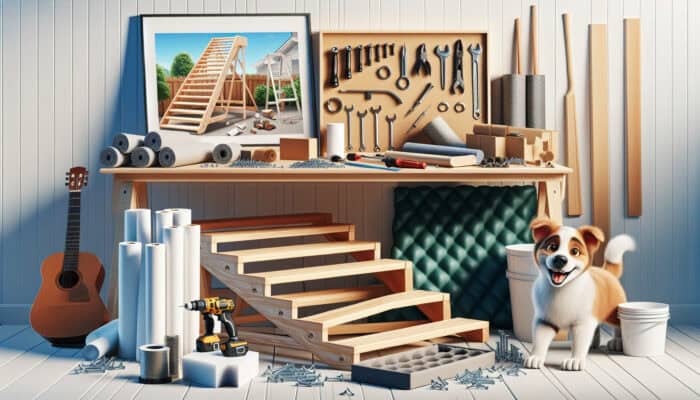
Material Choices for Constructing Pet Ramps
When selecting materials for pet stairs, versatility is key. While wood remains a popular choice due to its natural aesthetic and adaptability, synthetic materials like plastic and composite boards are increasingly preferred for their durability and resistance to weather conditions. If comfort is a priority, fabric coverings can enhance traction and provide a softer surface, particularly for pets that may struggle on slippery materials.
Each material offers unique advantages: while wood provides robustness and opportunities for customization, synthetic options tend to be lighter and may require less upkeep. Furthermore, incorporating rubber mats or non-slip surfaces can deliver additional grip, ensuring the ramp is safe for pets of all sizes. Ultimately, choosing the right materials based on the intended setting—whether indoors or outdoors—will guarantee that the ramp remains both functional and visually appealing.
How to Evaluate the Quality of Ramp Construction Materials
Assessing the quality of materials is essential when constructing ramps for pets, as this ensures the structure's durability and reliability. Key attributes to examine include the material's strength, flexibility, and resistance to wear and environmental factors. For instance, when selecting wood, hardwoods like oak or maple are excellent choices due to their high strength and resistance to damage over time.
It is also crucial to consider the weight capacity of the materials; they must support the largest pet that will utilise the ramp comfortably. When selecting non-slip surfaces, ensure they can endure scratching and wear. A bullet-point list of essential attributes to consider when selecting materials includes:
- Load-bearing capacity
- Durability against weather elements
- Resistance to wear and tear
- Ease of cleaning and maintenance
- Non-slip features
- Flexibility for design adaptations
By concentrating on these characteristics, builders can select materials that meet immediate requirements while offering long-term value and performance.
Cost-Effective Material Choices for Ramp Construction

Identifying economical solutions for ramp construction involves balancing budget constraints with practicality. Many pet owners might feel daunted by potential costs, but there are several affordable yet durable materials available that do not compromise on quality. For example, reclaimed wood offers a sturdy, eco-friendly alternative while maintaining durability.
Moreover, shopping at local hardware stores or exploring online marketplaces for discounts can lead to substantial savings. Employing DIY techniques can also help reduce expenses; for instance, simple construction methods can allow you to create ramps from readily available materials like plywood or reinforced cardboard for temporary setups. By encouraging wider adoption through these strategies, pet owners can effortlessly incorporate ramps into their homes without exceeding their financial limits.
What Key Factors Should Influence Your Ramp Design for Pets?
Significant Considerations for Ramp Design
Determining the optimal ramp design depends on the functional requirements tailored to the pet's unique needs. For instance, the pet's size and breed are critical factors; larger dogs may need wider ramps with gentler slopes, while smaller breeds can navigate steeper inclines more easily. The ramp's position—whether indoors or outdoors—will also impact material selections and weatherproofing requirements.
Additionally, the layout of your home or garden can influence the ramp's dimensions. In situations where space is constrained, a compact foldable ramp might be the best option, whereas a more permanent structure may be appropriate for a larger outdoor setting. This adaptability guarantees that the chosen design meets both aesthetic and functional demands without compromising safety and usability.
What Features Can Improve the Functionality of Ramps?
Incorporating thoughtful features can significantly enhance the functionality of pet stairs and ramps. Non-slip surfaces are vital; they improve traction and ease of use, thereby boosting safety for pets of all ages. Furthermore, adjustable height options provide versatility, accommodating different furniture or vehicle heights and enabling the ramp to be employed in various scenarios.
Adding side rails is another advantageous feature, providing support and security for pets, thus preventing accidental falls. Additionally, integrating weight sensors that alert owners when the ramp is in use can further optimise its functionality. By concentrating on these enhancements, builders can ensure that the ramp meets essential requirements while adapting to the evolving needs of both pets and their owners.
Effortlessly Integrating Ramps into Existing Spaces
Successfully incorporating ramps into existing environments necessitates creative adaptations that prioritise both harmony and practicality. When designing a ramp, it is essential to consider the area's style and colour palette to achieve a cohesive appearance. For example, a wooden ramp can be stained or painted in a hue that complements surrounding furniture or flooring, allowing it to blend seamlessly into the environment.
Moreover, strategically positioning the ramp at specific angles can reduce disruptions, facilitating easy access while preserving the space's aesthetic appeal. For instance, placing ramps against walls or furniture can save space while enhancing usability. By thoughtfully adapting designs, pet owners can achieve an arrangement that maximises benefits without compromising the overall aesthetic of their home.
Expert Insights for Constructing Enduring Pet Stairs and Ramps
Advanced Techniques to Enhance Ramp Durability
Employing advanced techniques in ramp building for pet stairs can considerably prolong the lifespan of the structure. Professionals recommend reinforcing joints and edges using strategic fastening methods, such as L-brackets or internal supports. This approach not only bolsters strength but also boosts the ramp's overall stability.
Moreover, treating wooden surfaces with weatherproof sealants can prevent moisture damage and warping, which is particularly important for outdoor ramps. Real-world examples illustrate the effectiveness of double-layer construction, where a sturdy base layer is topped with a softer, grip-friendly layer, providing both durability and comfort. By implementing these expert techniques, builders can design ramps that endure heavy use while ensuring a safe experience for pets.
Why Customising Ramp Features is Key to Effectiveness
Customisation is essential for maximising the effectiveness of pet ramps, as adjusting angles and materials to the specific needs of each pet yields optimal results. For instance, modifying the slope to accommodate a pet's unique mobility requirements can relieve strain and enhance usability. A steeper incline might suit energetic, younger pets, while a gentler slope is more appropriate for older or arthritic animals.
Furthermore, selecting materials that complement the pet's environment can elevate functionality. For example, using weather-resistant materials in outdoor settings guarantees that the ramp retains its integrity over time. This level of customisation fosters greater reliability, ensuring the ramp adapts to the diverse needs of pets and their surroundings, ultimately enhancing their quality of life.
Balancing Aesthetics with Functionality in Ramp Design
Achieving a balance between visual appeal and practicality in ramp design is vital for creating a structure that merges style with utility. Experts recommend focusing on smooth finishes and cohesive colour schemes to design attractive ramps that integrate seamlessly into home decor. This may involve selecting materials that can be stained or painted to coordinate with existing furnishings, creating a unified aesthetic.
However, it is crucial to prioritise functional elements alongside aesthetics. While a sleek wooden ramp may be visually appealing, it should never compromise essential features like non-slip surfaces or adequate weight support. A bullet-point list of design trade-offs for optimal choices includes:
- Material selection vs. aesthetic appeal
- Weight capacity vs. design complexity
- Safety features vs. visual integration
- Ease of use vs. structural durability
By considering these trade-offs, builders can create ramps that not only look stunning but also effectively serve their intended purpose.
What Safety Measures Must Be Considered in Ramp Construction?
Essential Safety Precautions During Ramp Building
Addressing potential hazards during the ramp construction phase necessitates meticulous attention to detail. Implementing secure fastening methods is crucial; using screws or bolts combined with wood adhesive can provide additional strength and stability. Furthermore, testing for stability before finalising the ramp ensures it can support the weight and movement of the pet using it.
Safety should also extend to the building environment. Keeping a workspace free from distractions and hazards leads to a smoother construction process and reduces the risk of accidents. By implementing these precautions, pet owners can guarantee a safer overall experience, instilling confidence in the ramp's reliability.
How Can You Confirm a Secure Ramp Installation?
Ensuring the secure installation of a ramp is vital for maintaining its integrity and guaranteeing safe usage. A straightforward method to check for secure attachments is to gradually apply weight to the ramp and observe any signs of flexing or instability. Additionally, verifying load capacity by incrementally increasing weight will help confirm readiness for intended use.
It is also beneficial to inspect all joints and fastenings for tightness. If any components feel loose, it is imperative to revisit the assembly process to tighten connections. Regular checks following the initial installation can further ensure that the ramp remains secure over time, fostering confidence and peace of mind for pet owners.
Why Regular Maintenance is Vital for Safety
Ongoing maintenance is essential for guaranteeing the long-term safety of pet stairs and ramps. Regular inspections enable pet owners to identify wear patterns and address issues before they escalate. This includes checking for loose screws, splintering wood, or degrading non-slip surfaces, all of which can jeopardise the ramp's structural integrity.
Moreover, minor repairs—such as sanding down rough edges or applying fresh non-slip coverings—can significantly prolong the ramp's lifespan. Applying protective coatings can help prevent moisture damage, especially in outdoor environments, ensuring the ramp remains functional and safe for pets over extended periods. By prioritising regular maintenance, pet owners can keep ramps in optimal condition, fostering a secure environment for their beloved companions.
Scientifically Supported Benefits of Constructing Pet Stairs and Ramps
Enhancing Accessibility for Pets
Gradual inclines improve mobility and offer effective solutions for enabling easier movement for pets. Research indicates that ramps greatly enhance access for pets facing mobility challenges, allowing them to navigate their surroundings more freely. This is particularly advantageous for older pets or those recovering from surgery, as ramps can alleviate the physical strain of jumping up or down from furniture.
Gradual ramps also accommodate various terrains and environments, ensuring pets can safely traverse different surfaces. By integrating established practices to enhance navigation, pet owners can create a more accessible environment that better meets their furry friends' needs, thereby improving their overall quality of life.
Long-term Health Advantages for Pets
Well-designed ramps contribute to long-term health benefits for pets by minimising strain during movement. Experts emphasise that ramps can effectively reduce pressure on joints and muscles, particularly for older animals or those with pre-existing conditions like arthritis. By incorporating ergonomic adjustments, such as a gentle incline or reinforced edges, ramps can significantly enhance the pet's overall well-being.
Over time, this can help prevent health issues associated with repetitive stair usage, leading to a healthier, more active lifestyle for pets. By prioritising health-centric designs, pet owners can foster better outcomes for their companions, promoting longevity and vitality in their daily activities.
Boosting Efficiency in Daily Routines
Streamlining daily routines through thoughtful ramp construction yields significant advantages, such as quicker access for pets. Efficient designs reduce the time it takes for pets to navigate spaces, directly correlating with increased satisfaction for both pets and their owners. For instance, a ramp that provides easy access to a favourite resting spot enhances the pet's routine, fostering a sense of independence and comfort.
Additionally, well-designed ramps can lessen the physical strain on owners, especially when assisting pets with mobility challenges. By aligning construction methods with proven efficiency strategies, pet owners can create a more harmonious home environment, leading to a smoother daily routine.
Enhancing Safety for Pets
Studies confirm that ramps substantially lower the risk of falls and injuries for pets, particularly among vulnerable groups such as seniors. By providing a secure pathway, ramps reduce the likelihood of accidents that could lead to serious injuries, creating a safer living space for pets as they navigate their homes.
This research-backed approach not only improves safety but also contributes to extended lifespans for pets by ensuring they can move freely without the threat of injury. By emphasising safety in ramp design, pet owners can significantly enhance their companions' quality of life and promote a longer, healthier lifespan.
Improving Behavioural and Training Outcomes
Research indicates that ramps can help alleviate pet anxiety and enhance training results. By providing a gentle introduction to navigation, ramps can instil a sense of security in pets' movements. This is particularly significant for anxious or elderly animals, as ramps offer stability and support.
The gradual incline of a ramp can also assist in training, helping pets build confidence as they learn to navigate their environment. These evidence-based strategies promote better behaviour patterns, leading to stronger bonds between owners and pets and smoother daily interactions. Ultimately, well-designed ramps can enhance pets' adaptability, facilitating easier transitions into their daily routines.
How Does Ramp Construction Facilitate Pet Mobility?
Principles of Enhanced Movement through Ramps
Facilitating smoother transitions via well-constructed ramps relies on careful consideration of slope and surface grip. The right slope directly supports agility, minimising barriers to movement for pets, particularly those with limited mobility. A gradual incline encourages pets to engage more easily without straining their joints, simplifying access to elevated spaces.
The selection of surface materials plays a critical role; non-slip surfaces, such as treated wood or rubberised coatings, can significantly enhance traction and stability. Together, these components create a seamless navigation experience, boosting pets' confidence as they move through their environment. By emphasising these foundational principles, builders can craft ramps that genuinely enhance mobility for their furry friends.
Customising Ramps to Meet Diverse Needs
Tailoring ramp structures to accommodate varying needs fosters versatility and encourages independence among pets. For example, ramps can be adjusted in height or slope based on the pet's age, size, or physical condition. This customisable approach enables pet owners to design ramps that cater to individual requirements, ultimately enhancing usability.
Furthermore, incorporating features such as adjustable lengths or collapsible designs can adapt to pets with changing needs over time. By providing options for easy adjustments, pet owners can ensure ongoing support for their animals, promoting independence and ease of movement without compromising essential mobility factors.
Evaluating the Effectiveness of Ramp Enhancements
Monitoring the success of ramp improvements involves observing usage patterns and pet behaviour. Pet owners should note how frequently their animals utilise the ramp and any changes in their mobility or comfort levels. Regularly assessing these variables can help refine designs to maintain ongoing benefits, ensuring the ramp continues to effectively cater to the pet's needs.
Feedback from pets can be subtle yet revealing; observing whether pets approach the ramp confidently or with hesitation can provide valuable insights into its effectiveness. By analysing these patterns, owners can make continual adjustments to enhance the ramp's functionality, ensuring positive outcomes for their furry companions.
Incorporating Safety Features into Ramp Design
Integrating safety features into ramp design is vital for minimising risks and enhancing mobility. Elements such as non-slip surfaces, guardrails, and stable foundations work together to promote secure navigation for pets. Non-slip coatings, for instance, can greatly reduce the risk of slips and falls, especially for pets with limited agility.
Guardrails provide an additional layer of protection, ensuring that pets remain securely on the ramp, while strong foundations prevent wobbling or tipping. By prioritising these safety features, pet owners can create ramps that improve overall mobility and comfort, allowing their pets to navigate their homes freely and confidently.
Strategies for Maintaining Pet Stairs and Ramps
Effective Cleaning Practices for Longevity
Maintaining cleanliness is crucial for preserving hygiene and preventing wear on ramps. Simple practices, such as regularly sweeping away debris, can help maintain the ramp's condition and prolong its lifespan. For wooden materials, a gentle wash with soap and water effectively removes dirt and grime without causing damage.
Additionally, applying protective coatings can simplify cleaning, as these surfaces are less likely to stain or discolour. Establishing consistent maintenance routines, including inspecting for and removing accumulated materials, will ensure that ramps remain functional and safe for pet use, creating a pleasant environment for both pets and their owners.
What Signs Indicate Wear and Tear on Ramps?
Timely identification of wear and tear is essential for maintaining the integrity of ramps. Common indicators can include loosening components, visible surface degradation, or signs of instability when weight is applied. Regular inspections of joints and hinges allow for timely interventions, helping to prevent complications and ensuring continued reliability.
Other signs to watch for include splintering wood or peeling coatings, which can compromise safety. By remaining proactive and vigilant about these conditions, pet owners can address issues before they escalate, ensuring the ramp remains a safe and effective tool for their furry friends.
Maintenance Practices for Prolonged Durability
Applying protective coatings and conducting routine inspections significantly contribute to the longevity of ramps. Protective sealants can help prevent moisture-related damage and deterioration, especially on outdoor ramps exposed to the elements. Additionally, regular inspections should focus on stress-prone areas, such as joints and edges, to detect and address potential failures early on.
Simple maintenance tasks, such as tightening screws or replacing worn non-slip coverings, can greatly enhance the ramp’s durability. By dedicating time and effort to maintenance, pet owners can ensure their ramps remain functional and efficient over time with minimal effort.
Avoiding Common Pitfalls in Ramp Construction
The Importance of Accurate Slope Calculations
One of the most critical errors in ramp construction is failing to measure slope angles accurately. Neglecting these calculations can lead to instability, thereby increasing the risk of accidents during use. It is essential to prioritise precise planning from the outset to achieve a balanced, effective design that meets pets' needs.
Adjustments may be necessary based on the pet's specific requirements or the ramp's intended location. Ensuring the angle adheres to recommended guidelines—generally not exceeding a 1:3 ratio—will create a safer, more comfortable experience for pets, thus preventing potential mishaps.
Overlooking Material Compatibility Issues
Selecting mismatched materials can compromise the ramp's overall construction, making it susceptible to damage or failure. It is critical to focus on cohesive choices that enhance strength and performance during assembly. For instance, combining materials that respond differently to environmental factors can result in complications; if improperly joined, wood and metal may expand or contract at varying rates, leading to structural issues.
By prioritising material compatibility, builders can create ramps that remain robust and reliable, ensuring a safe experience for pets. Adhering to this principle allows for the construction of ramps that endure over time and meet the diverse demands of pet mobility.
Neglecting Final Adjustments Following Construction
Failing to make necessary final adjustments can lead to suboptimal outcomes, underscoring the importance of thorough checks to refine the structure. After completing construction, testing the ramp for smoothness and security is crucial. This involves walking on the ramp and observing any areas that may feel unstable.
Ensuring a smooth transition from the ground to the ramp and securing all fixtures are vital steps to maximising the ramp's benefits. By focusing on these final adjustments, builders can create a safe and effective ramp that meets the needs of both pets and their owners.
Frequently Asked Questions about Pet Ramp Construction
What materials are ideal for constructing pet ramps?
The best materials for pet ramps include durable wood, composite materials, and non-slip surfaces like rubber to enhance traction. It's essential to choose materials that balance durability with safety.
What is the recommended slope for a pet ramp?
A pet ramp should generally maintain a slope of no more than 1:3 to ensure ease of use, especially for older or smaller pets. This gentler incline promotes comfort and safety.
Can pet ramps be used outdoors?
Yes, pet ramps are suitable for outdoor use, but it is essential to select weather-resistant materials and treat the surfaces to prevent moisture damage and deterioration over time.
What is the best cleaning method for my pet ramp?
Cleaning a pet ramp involves regularly sweeping off debris and using mild soap and water for deeper cleaning. Ensure that surfaces are thoroughly dried afterward to maintain non-slip properties.
Which safety features should I integrate into a pet ramp?
Key safety features for a pet ramp include non-slip surfaces, guardrails, and a stable foundation. These components help prevent accidents and enhance overall safety.
How can I boost the stability of my ramp?
To enhance stability, ensure all joints are securely fastened, use sturdy materials, and consider adding support beams for reinforcement. Regularly check for wear and make necessary adjustments.
How often should I inspect my pet ramp?
Regular inspections should occur at least once a month, focusing on structural integrity, signs of wear, and overall stability. Frequent checks can help address any issues before they pose a risk.
Are there weight limits for pet ramps?
Yes, pet ramps often have weight limits based on the materials used and construction methods. Always verify that the ramp can safely accommodate your pet's weight to avoid accidents.
Can I create a custom pet ramp?
Absolutely! Custom pet ramps allow you to tailor dimensions and features to your pet's specific needs, enhancing usability and ensuring a perfect fit in your space.
Will my pet require training to use the ramp?
Some pets may need gentle training to become accustomed to the ramp. Encouraging your pet with treats and patience can help them feel more comfortable and confident while using it.
Connect with us on Facebook!
The Article Ramp Building for Pet Stairs: Quick and Easy Guide First Published On https://elgatoencasa.com
The Article Pet Stairs: A Quick and Easy Guide to Ramp Building Was Found On https://limitsofstrategy.com