Share Heartwarming Classic Comfort Food Recipes with Your Friends
Key Ingredients for Crafting Memorable Comfort Dishes

To create delicious comfort food recipes for sharing, it is essential to start with a selection of key ingredients that evoke feelings of warmth and nostalgia. The essence of these meals often resides in foundational pantry staples like hearty grains, which not only provide substance but also a satisfying texture that comforts the soul. By incorporating warm spices such as cumin, coriander, or cinnamon, you can elevate a dish from ordinary to extraordinary, significantly enhancing the overall flavour profile. These ingredients contribute depth and evoke a sense of familiarity, drawing upon cultural traditions that resonate across communities and generations, making every meal a celebration of heritage.
The true beauty of comfort food lies in its transformative power, turning simple ingredients into dishes that are both heartwarming and fulfilling. A classic macaroni and cheese relies on basic ingredients—pasta, cheese, and butter—that are universally adored. By mastering timeless cooking techniques such as slow cooking or baking, these humble ingredients can be transformed into meals that foster connection and joy, especially during gatherings with friends and family who gather to enjoy these comforting flavours.
What Flavours Should You Incorporate for Maximum Enjoyment?
In the world of comfort food, achieving a perfect flavour balance is paramount for creating inviting dishes that leave a lasting impression on your guests. Savoury elements can beautifully counteract sweetness—imagine a warm apple pie where the sweetness of apples is perfectly complemented by a sprinkle of salt or a dash of lemon juice. This intricate interplay of flavours elevates simple meals into memorable experiences that resonate profoundly with our taste buds, making every bite an exploration of taste.
Real-world examples abound; consider the delightful pairing of caramelised onions and rich cheeses in a classic French onion soup, which creates layers of taste that are both comforting and indulgent. Furthermore, adding a splash of acidity—such as balsamic vinegar in a hearty stew—can brighten the dish and introduce an unexpected twist. Understanding these flavour dynamics empowers home cooks to experiment and discover their unique combinations, which will be cherished by friends and family alike, creating unforgettable culinary experiences that linger in memory.
Essential Cooking Techniques for Passionate Comfort Food Enthusiasts
Mastering fundamental cooking techniques can greatly simplify the preparation of comfort food, making meals accessible and enjoyable for everyone involved. Techniques like sautéing, roasting, and slow cooking can transform humble ingredients into hearty, satisfying fare. For instance, sautéing allows rapid flavour development by caramelising ingredients, while slow cooking infuses depth over time, creating rich, complex dishes that require minimal attention, allowing you to focus on sharing joy with loved ones.
- Chef's knife for efficient chopping
- Cutting board for seamless preparation
- Skillet for perfect sautéing
- Oven for delightful roasting
- Slow cooker for convenient meals
- Measuring cups for accurate ingredients
- Mixing bowls for effective preparation
- Spatula for serving with ease
Having the right tools can streamline these techniques, making the cooking experience more enjoyable and efficient. A well-sharpened chef's knife, for example, transforms the task of chopping vegetables from a chore into a joy. Investing in a quality skillet helps achieve that perfect golden-brown crust that makes comfort food so enticing. When these techniques are paired with essential tools, preparing comforting meals becomes an opportunity for connection and creativity, turning everyday cooking into an enjoyable ritual shared with loved ones.
Expert Strategies for Crafting the Most Delicious Comfort Food Recipes for Friends

Advanced Preparation Techniques for Effortless Cooking
Optimising the preparation of top comfort food recipes for friends can dramatically enhance the overall dining experience. Expert chefs often recommend breaking down the cooking process into manageable steps, ensuring that each component is executed flawlessly. For example, when preparing a lasagna, prepping the sauce, cheese mixture, and pasta beforehand can facilitate a smooth assembly process on the day of serving, allowing you to focus on enjoying the moment with friends.
Incorporating techniques such as batch cooking can also be incredibly beneficial. Cooking larger quantities of a dish, such as a chilli or stew, not only saves time but allows the flavours to meld and develop over a few days, often enhancing the dish's overall taste. Additionally, employing proper storage techniques, such as using airtight containers, helps maintain freshness and prevent spoilage, ensuring your shared meals remain delicious and enjoyable for all who partake.
How to Effectively Balance Flavours in Your Dishes?
Understanding how to harmonise flavours within your recipes is essential for achieving optimal taste in comfort food. The key lies in striking a balance between various elements—sweet, savoury, salty, and acidic. For instance, when crafting a rich beef stew, adding a splash of red wine can enhance savouriness while introducing an additional layer of complexity. Fresh herbs like parsley or rosemary can provide a refreshing contrast to richer ingredients, invigorating the dish and enhancing its appeal.
To effectively balance these flavours, consider starting with a robust flavour base: onions, garlic, and carrots sautéed in olive oil can provide a solid foundation. From that point, layering flavours as you cook allows for a more integrated taste profile. As you taste along the way, don’t hesitate to adjust your seasoning, adding a pinch of salt or a dash of vinegar to elevate the dish further, creating a delightful and memorable experience for everyone at the table.
How to Make Your Comfort Food Nutritionally Balanced?
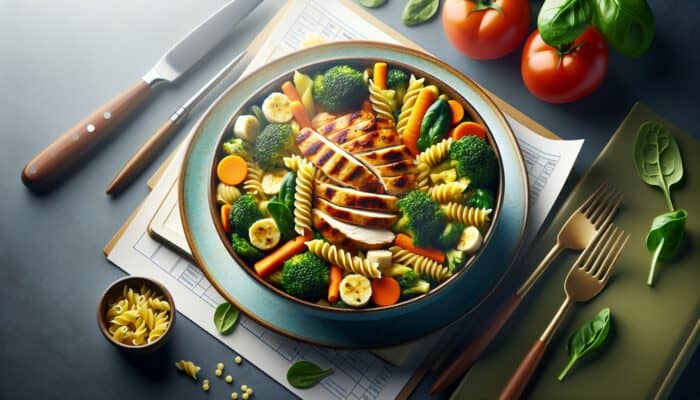
Incorporating nutritional elements into your comfort food recipes does not mean sacrificing flavour. It’s about finding the right balance between indulgence and health, ensuring that dishes remain wholesome and satisfying. For instance, opting for whole grains instead of refined ones boosts nutritional content while adding a delightful texture to meals. Similarly, using lean proteins and incorporating a variety of vegetables can transform a hearty casserole into a balanced dish that still satisfies all palates, making it a wholesome choice for any gathering.
Actionable steps for healthier adaptations include substituting heavy creams for Greek yogurt in pasta sauces or using unsweetened applesauce in baked goods to reduce sugar without compromising taste. These small modifications can significantly enhance the nutritional profile while maintaining the comforting essence of the dishes. Engaging in this mindful approach to cooking fosters inclusivity, ensuring that everyone can savour comforting meals without feeling guilty about their choices, making every gathering a celebration of good food and health.
What Elements Truly Define Comforting Recipes?
How Do Textures Enhance the Eating Experience?
Textures within comfort food recipes are integral to creating a sensory appeal that enhances the overall dining experience. The juxtaposition of creamy, crunchy, and chewy elements can elevate even the simplest meals into indulgent offerings that are enjoyable to eat. For instance, a well-crafted shepherd's pie features a creamy mashed potato topping that contrasts beautifully with the hearty meat filling, making every bite a delightful experience that lingers on the palate, ensuring satisfaction with each mouthful.
Paying attention to texture can also make meals more engaging. Consider adding a crispy topping to a creamy casserole or incorporating roasted vegetables alongside a soft gratin. These combinations not only satisfy the palate but also create visually appealing presentations, enhancing the communal eating experience. Sharing meals with friends can spark conversations and create memorable moments, reinforcing the notion that comfort food is as much about the shared experience as it is about the flavours that bring everyone together.
What Emotional Connections Are Evoked by Food?
Food often stirs deep emotional connections, with certain recipes evoking feelings of warmth and togetherness that transcend mere sustenance. Comfort food possesses the unique ability to transform ordinary meals into special occasions, acting as a bridge that strengthens bonds among friends and family. A classic pot roast shared around a table can instantly create a sense of belonging and nostalgia, reminding us of cherished moments spent with loved ones during family gatherings.
These emotional ties are particularly potent when recipes are passed down through generations. The act of preparing a family recipe, infused with personal stories and shared experiences, enriches the meal and fosters a sense of community. In this way, comfort food transcends mere sustenance; it becomes a vessel for connection, turning every meal into an opportunity to celebrate relationships and create lasting memories that deepen the bonds between those who share the table, making each gathering a heartfelt occasion.
How Do Cultural Elements Influence Recipes?
Universal aspects that contribute to the depth of comfort food include adaptability and cultural significance. Many recipes draw upon traditional flavours or cooking methods, making them versatile and relatable across different backgrounds and communities. For example, a simple rice-and-beans dish can be found in various forms worldwide, each reflecting local ingredients and cooking techniques while still providing that comforting essence that brings people together, fostering a sense of unity through shared culinary traditions.
- Shared ingredients that evoke nostalgia among diners
- Cooking methods passed through generations of families
- Regional spices that enhance flavour profiles
- Seasonal produce that connects with local culture
- Family traditions that inspire creativity in cooking
- Festive recipes that bring people together during celebrations
- Comforting aromas associated with home and familiarity
- Community gatherings that celebrate food and shared experiences
This adaptability allows individuals to personalise recipes, ensuring that comfort food remains relevant and cherished in diverse settings. By celebrating these cultural elements, home cooks can create dishes that resonate deeply with their audience, encouraging a broader appreciation for the comfort food that accompanies human experiences worldwide, making each meal a celebration of life.
Research-Backed Benefits of Enjoying Comfort Food with Friends
Significant Health Benefits of Comfort Food
Research highlights that comfort food not only satisfies hunger but also contributes positively to overall well-being. The simple act of sharing meals has been shown to enhance social interactions, promoting positive relationships among friends and family. Dishes rich in carbohydrates can boost serotonin levels, leading to improved mood and a profound sense of satisfaction during social gatherings, making every meal an opportunity for joy.
Moreover, many comfort food recipes integrate wholesome ingredients such as vegetables, lean proteins, and whole grains. These components contribute beneficial nutrients that support physical health. For instance, a vegetable-laden curry not only offers comfort but also serves as an excellent source of vitamins and minerals, illustrating how these recipes can be both soothing and nourishing for all who enjoy them, making comfort food a true ally in well-being.
Why Is Timing Crucial in Cooking Comfort Food?
Timing in cooking is a pivotal factor that impacts the quality and experience of a meal. Proper preparation and cooking times ensure that ingredients are cooked to perfection, maximising flavour and texture. For example, allowing a stew to simmer for several hours can deepen its flavours and create a more satisfying dish that delights the palate of everyone at the table, making each bite a testament to the love put into the meal.
In a social context, timing also plays a significant role in the enjoyment of sharing food. When meals are served hot and fresh, they create a more inviting atmosphere, enhancing the overall experience. Understanding how timing affects flavours and presentation can significantly elevate the enjoyment of comfort food during gatherings with friends and family, making each meal a cherished event filled with laughter and connection.
Strategies for Long-Term Enjoyment of Comfort Food
Sustaining the appeal of comfort food requires thoughtful strategies that keep dishes exciting and relevant over time. One effective approach is to rotate seasonal recipes, ensuring that meals align with the ingredients available and the cultural significance of different times of the year. This not only keeps the menu fresh but also engages friends and family in ongoing culinary adventures that everyone can participate in, fostering a sense of community through shared meals that nourish the soul.
Additionally, incorporating diverse flavour profiles and cooking techniques can breathe new life into classic recipes. Adding international twists—such as a spicy Thai curry to a traditional stew—can inspire creativity and keep everyone eagerly anticipating future gatherings. By prioritising variety and excitement, comfort food can remain a beloved choice for repeated social events, ensuring that it continues to bring people together in delightful ways.
How Do Comfort Foods Support Mental Health?
Research demonstrates that comfort food can play a significant role in alleviating stress and enhancing mood. The act of preparing and sharing meals triggers the release of endorphins, promoting feelings of joy and contentment, especially during social interactions. This effect is particularly valuable in group settings, where shared experiences around food foster emotional resilience and strengthen bonds among friends, making each meal a source of happiness.
Moreover, the predictable nature of comfort food provides a sense of stability and security, which can be especially comforting during challenging times. By incorporating comforting recipes into regular routines, friends can create a supportive environment that nurtures mental well-being while promoting long-lasting social connections, making every meal a reason to celebrate life together.
How to Adapt Recipes for Dietary Inclusivity?
Adapting comfort food recipes for diverse dietary needs is essential for fostering inclusivity during gatherings. Whether accommodating vegetarian, vegan, gluten-free, or low-sugar preferences, ensuring that all friends can partake in the meal promotes a sense of belonging among everyone. Evidence-based methods, such as using plant-based proteins in place of meat or substituting refined sugars for natural sweeteners, can significantly improve the overall dining experience.
This thoughtful approach not only enhances social harmony during gatherings but also encourages healthier eating habits among friends. By being mindful of varying dietary restrictions and preferences, home cooks can create dishes that everyone can enjoy without feeling left out, reinforcing the bonds that comfort food seeks to strengthen through shared culinary experiences that celebrate diversity.
How to Personalise Recipes for Your Friends?
What Adaptations Work Best for Everyone's Tastes?
Customising recipes based on friends’ preferences is a fantastic way to make meals more inclusive and enjoyable for all. Key adaptations can include adjusting spice levels, swapping proteins, or incorporating diners' favourite vegetables to ensure every dish resonates with their tastes. For instance, one friend might prefer a milder chilli, while another may enjoy an extra kick of spice, creating a delightful balance that caters to everyone’s palate.
- Adjusting spice levels to suit individual tastes and preferences
- Substituting proteins based on dietary preferences and restrictions
- Incorporating seasonal vegetables for freshness and flavor
- Making gluten-free swaps when necessary to ensure inclusivity
- Experimenting with different cooking methods for variety
- Adjusting sweetness levels in desserts for balanced flavours
- Offering toppings or mix-ins for personalised customisation
- Utilising local ingredients for authenticity and connection
By openly discussing preferences in advance, home cooks can create tailored experiences that are both enjoyable and memorable for everyone involved. This flexibility not only showcases culinary creativity but also deepens connections among friends, ensuring that everyone feels valued and included in the shared meal experience that celebrates togetherness.
Incorporating Fresh Variations to Keep Meals Exciting
To keep comfort food exciting and relevant, it is essential to incorporate fresh variations into classic recipes. One way to achieve this is by experimenting with unexpected ingredients or methods—such as adding roasted garlic to mashed potatoes or using grilled vegetables in a traditional pasta bake to provide delightful new twists on familiar favourites that keep everyone intrigued.
Additionally, updating presentation styles can make a significant difference. Serving a hearty casserole in individual ramekins rather than one large dish can elevate the dining experience, making meals feel more special and personalised. These small adjustments can breathe new life into traditional recipes, ensuring they remain relevant and exciting for ongoing enjoyment among friends and family who share a love for good food.
Testing New Combinations for Creative Cooking
Experimenting with blending ingredients encourages creativity in meal preparation, allowing friends to discover fresh ideas and flavours together. A simple way to start is by combining various cuisines—imagine a comforting Indian-inspired shepherd's pie topped with spiced sweet potatoes. This fusion not only keeps meals interesting but also sparks conversations about different cultural influences, enhancing the culinary experience and celebrating diversity.
Moreover, hosting themed cooking nights can offer friends an opportunity to try new combinations together. By working collaboratively to create a dish, everyone can share their insights and preferences, resulting in a meal that celebrates each person’s tastes and traditions. These shared experiences cultivate camaraderie and make the cooking process enjoyable, reinforcing the idea that food brings people together in meaningful ways, creating bonds that last a lifetime.
Sharing Customised Recipes to Strengthen Connections
Sharing adapted recipes with friends is a wonderful way to build connections and inspire others in their culinary journeys. Simple methods such as creating shared online documents, posting on social media platforms, or compiling a collaborative cookbook can facilitate this process. Documenting recipe changes and gathering feedback from friends can also encourage continual improvement and enjoyment of meals, fostering a sense of community around shared culinary experiences that celebrate creativity.
Encouraging feedback fosters a sense of community and engagement, as everyone contributes to the recipe's evolution. This sharing not only enhances personal connections but also builds a collective culinary culture where everyone feels empowered to express their creativity in the kitchen, ensuring that comfort food remains a cherished part of group gatherings and celebrations that bring joy to all.
Why Is Comfort Food Ideal for Social Gatherings?
How Does Comfort Food Foster Community and Connection?
Comfort food plays a vital role in fostering community and shared experiences, creating a sense of unity that transcends mere dining. The act of coming together around a table to share hearty dishes cultivates connections that strengthen friendships. Whether it’s a warm pot of stew or a decadent dessert, these meals encourage conversation and bonding, making gatherings truly memorable and enjoyable for everyone involved.
Furthermore, many comfort foods evoke nostalgia, reminding individuals of shared past experiences or family traditions. These emotional connections can enhance the atmosphere at social events, allowing everyone to relate through personal stories and shared memories. This way, comfort food becomes a vehicle for connection, reinforcing the idea that meals shared among friends create lasting memories that are cherished for years to come, turning each gathering into a celebration of love and friendship.
What is the Emotional Impact of Sharing Meals?
The emotional impact of sharing comfort food should not be underestimated. Meals made with love and shared among friends create lasting memories that enrich relationships. The aroma of freshly baked bread or the sight of a bubbling lasagna can evoke feelings of warmth and belonging, transforming casual meetups into cherished gatherings filled with laughter and joy, making each meal an occasion to treasure.
Moreover, sharing food fosters a sense of togetherness, as everyone participates in the meal preparation and enjoyment. This collective enjoyment can lead to deeper conversations, laughter, and a heightened sense of community, making dining much more than just a necessity. It becomes an experience that strengthens connections and creates bonds that can last a lifetime, reminding us of the importance of gathering around the table to celebrate life and companionship.
How to Sustain Comfort Food Traditions Over Time?
Maintaining the tradition of comfort food at social events ensures that these cherished meals remain a beloved choice over time. This can be achieved by regularly incorporating comfort dishes into gatherings, creating rituals around specific recipes or cooking methods that friends anticipate and look forward to enjoying together, reinforcing bonds through shared culinary traditions.
Additionally, celebrating special occasions with specific comfort foods can reinforce their significance in shared history. For instance, hosting an annual friendsgiving featuring traditional dishes or seasonal recipes can create a sense of expectation and excitement. By keeping these traditions alive, comfort food remains central to social events, continually reminding friends of the warmth and connection these meals provide, making each gathering special and memorable.
How Does Comfort Food Adapt to Different Settings?
The versatility of comfort food makes it perfect for a range of gatherings, from casual barbecues to elegant dinner parties. This adaptability allows hosts to accommodate diverse tastes and dietary preferences, enhancing the dining experience for everyone involved. Whether it's a simple pasta dish or an intricate baked entrée, comfort food can be tailored to fit any occasion, ensuring that all guests feel welcome and satisfied, making every meal an enjoyable event.
Moreover, the ease of preparation often associated with comfort food allows for a more relaxed hosting experience. Dishes that can be made ahead of time or in large batches free up time for socialising, making the gathering more enjoyable for both hosts and guests. This accessibility is a core characteristic of comfort food, making it a go-to choice for hosts looking to create memorable experiences for their friends and loved ones.
Explore Varieties of Comfort Dishes for Every Occasion
Core Recipe Types to Consider for Comfort Food
Understanding the fundamental categories of comfort dishes simplifies meal planning for friends. Core recipe types include casseroles, stews, pastas, sweets, and roasted dishes. Each category offers unique opportunities to create hearty meals that cater to different tastes and preferences, ensuring there is something for everyone to enjoy.
Casseroles, for example, are ideal for one-dish meals that can be prepared ahead of time, while stews are perfect for slow cooking, allowing flavours to meld beautifully over time. Pastas can be dressed up or down to suit any occasion, and desserts like cakes or cookies can provide a sweet finish to any gathering. By identifying these categories, cooks can easily find comfort dishes that resonate with their friends and family, making meal planning a breeze and enjoyable.
Seasonal Adaptations for Year-Round Enjoyment
Adjusting comfort food recipes to align with the changing seasons keeps them fresh and appealing year-round. Seasonal adaptations not only highlight the best produce available but also introduce variety into regular meal planning. For instance, a hearty vegetable soup can be enhanced with winter root vegetables, while lighter pasta salads might feature fresh summer tomatoes and basil, showcasing the season's bounty and encouraging friends to appreciate local ingredients that reflect the time of year.
Embracing seasonal ingredients can create a deeper connection to local food systems, enhancing the communal experience of sharing meals together. By focusing on seasonal adaptations, comfort food remains relevant and enticing, ensuring it continues to play an essential role in gatherings throughout the year, creating new memories with each season, and reminding everyone of the joy that comes from sharing good food.
Innovative Twists on Classic Comfort Food Recipes
Exploring creative updates to traditional comfort recipes can inspire new ways to enjoy and share beloved dishes. This can be as simple as infusing classic mac and cheese with truffle oil for an elegant twist or transforming a traditional beef stew into a tangy Moroccan-inspired version with spices like cumin and coriander.
Innovative approaches encourage experimentation and personalisation, allowing home cooks to refresh their repertoire while still paying homage to the classics. These twists can also spark conversations during gatherings, inviting friends to share their own takes on comfort food and fostering a sense of community in the kitchen, where everyone feels included and valued, and every meal becomes a collaborative celebration of creativity.
Health-Conscious Variations to Consider
Adapting comfort dishes for better health is increasingly important in today's culinary landscape. By using fresh ingredients, reducing fats and sugars, and incorporating whole food alternatives, home cooks can create lighter options that retain their comforting appeal. For example, using zucchini noodles instead of traditional pasta can lighten a classic lasagne without sacrificing flavour or satisfaction.
Moreover, promoting balanced nutrition while enjoying comfort food can encourage healthier eating habits among friends. Educating peers on how to make these modifications not only enhances personal health but also fosters a sense of community around conscious cooking practices. Comfort food can thus continue to be a source of joy while also supporting overall well-being and mindfulness in eating, making it a cherished part of a healthy lifestyle.
Frequently Asked Questions About Comfort Food
What are some classic comfort food recipes to try with friends?
Classic comfort food recipes include macaroni and cheese, chicken pot pie, beef stew, and chocolate chip cookies. These dishes are beloved for their rich flavours and hearty textures, making them perfect for sharing with friends and family during gatherings that celebrate togetherness.
How can I make comfort food healthier?
To make comfort food healthier, consider using whole grains, reducing sugar, and substituting healthy fats. Incorporating a variety of vegetables and lean proteins can also enhance nutritional value without compromising taste or enjoyment, making every meal a delightful experience.
What are some easy cooking techniques for comfort food?
Simple cooking techniques for comfort food include sautéing, baking, roasting, and slow cooking. These methods are accessible and can be easily adapted to various recipes, ensuring delicious results that everyone will love, turning every meal into a celebration.
How can I adapt recipes for dietary restrictions?
Adapting recipes for dietary restrictions can involve substituting ingredients, such as using almond milk for dairy or quinoa for gluten-containing grains. Keeping communication open with friends about their preferences is key to ensuring everyone can enjoy the meal together, creating a sense of inclusion and belonging.
What are the benefits of sharing meals with friends?
Sharing meals with friends promotes connection, fosters community, and enhances mental well-being. The act of dining together creates lasting memories and deepens relationships through the shared experience of food, reinforcing bonds that last a lifetime and making every gathering special.
How do textures influence the enjoyment of comfort food?
Textures play a significant role in the enjoyment of comfort food by creating sensory appeal. The contrast of creamy, crunchy, and chewy elements enhances the overall experience, making meals more satisfying and enjoyable for everyone involved, turning every bite into a delightful experience.
What are some innovative twists on traditional comfort food?
Innovative twists on traditional comfort food can include adding unexpected ingredients or spices, such as chipotle to mac and cheese or pesto to a classic lasagne. These updates keep meals exciting and fresh for everyone, encouraging creativity in the kitchen and making every gathering a culinary adventure.
How can I incorporate seasonal ingredients into my comfort food?
Incorporating seasonal ingredients into comfort food can be done by adjusting recipes to highlight what's fresh and available. Using root vegetables in winter soups or summer tomatoes in pasta dishes ensures meals are vibrant, delicious, and reflective of the season, creating a deeper connection to local food systems.
What is the emotional impact of comfort food?
Comfort food often evokes feelings of nostalgia and warmth, creating emotional connections and enhancing shared experiences. It transforms ordinary meals into special occasions that bring people together in a meaningful way, celebrating relationships and connections that enrich our lives.
Why is comfort food perfect for gatherings?
Comfort food is ideal for gatherings because it fosters community and shared experiences. Its versatility allows it to cater to diverse tastes and dietary preferences, making it a welcoming choice for any occasion, enhancing the overall dining experience and creating lasting memories.
Connect with us on Facebook!
The post Top Comfort Food Recipes for Friends: Easy Ideas to Share appeared first on https://cookinggods.com
The Article Comfort Food Recipes: Easy Ideas to Share with Friends Was Found On https://limitsofstrategy.com