In-Depth Guide to Eye Health Concerns in Brachycephalic Pets
What Are the Early Signs of Eye Irritation in Your Pets?
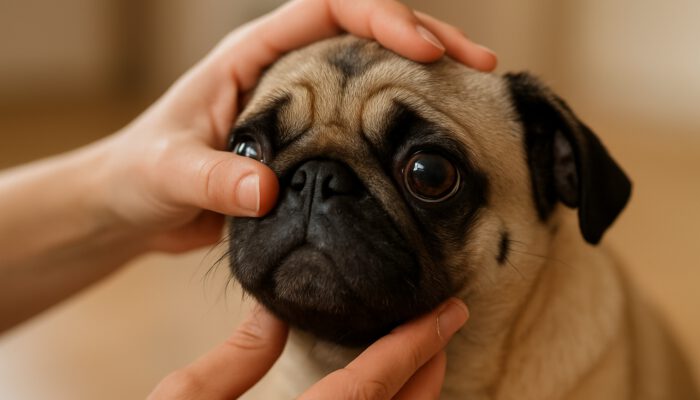
Maintaining vigilant observation is crucial for the eye health of brachycephalic pets, due to their unique eye formations that make them more susceptible to irritation and discomfort. Pet owners should be alert for symptoms such as redness, excessive tearing, or any atypical discharge. Recognising these signs promptly can facilitate timely interventions, significantly enhancing the chances of preserving their eye health.
By regularly examining your pet's eyes, you can address minor concerns before they escalate into serious complications. This proactive approach not only alleviates discomfort for your pet but also reduces the risk of severe conditions that could jeopardise their vision. Routine eye health assessments are a vital component of responsible pet ownership.
How Does Facial Structure Contribute to Eye Disorders in Brachycephalic Breeds?
Brachycephalic breeds, such as Bulldogs and Pugs, have a facial structure that makes them prone to various eye conditions. Their shorter muzzles often result in shallow eye sockets, increasing their exposure to environmental irritants. This anatomical vulnerability demands careful monitoring to prevent complications such as corneal ulcers or infections that may otherwise go unnoticed.
Their distinctive facial configuration also heightens their susceptibility to issues like dry eyes or entropion, a condition where the eyelids curl inward. Understanding the implications of their anatomy allows pet owners to take preventive measures, ensuring their pets receive the necessary care and attention to encourage optimal eye health.
What Daily Care Routines Should You Establish for Eye Health?
Establishing a daily eye care routine is essential for the well-being of brachycephalic pets. Gently cleaning the eye area can help remove debris and prevent irritation from environmental factors such as dust or pollen. Using a soft, damp cloth to wipe away any discharge is an effective method to maintain cleanliness around their eyes.
To regular cleaning, pet owners should consider incorporating eye drops or supplements recommended by veterinarians. These products provide essential lubrication, alleviating dryness and irritation. By following a preventive care regimen, pet owners can greatly enhance their pets' comfort and overall eye health.
Expert Insights on Eye Health Evaluations for Brachycephalic Breeds
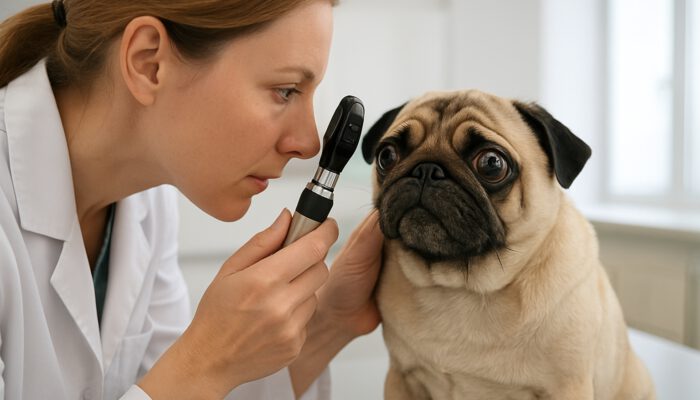
What Methods Are Utilised for Initial Eye Health Assessments?
Comprehensive visual evaluations are essential for determining the eye health of brachycephalic pets. Owners should start by observing their pet's eyes for any signs of discomfort or irregularities. Simple checks for clarity in the cornea and the presence of tears can yield crucial insights into their ocular health.
Veterinarians often recommend specific techniques during examinations, such as using a penlight to assess pupil response and checking for any discharge. These preliminary assessments can facilitate the early detection of potential issues, allowing for timely interventions that may prevent serious complications in the future.
What Instruments Do Veterinary Professionals Use for Eye Evaluations?
Veterinary ophthalmologists employ a range of specialised instruments to enhance the accuracy of eye examinations in brachycephalic breeds. A prominent tool is the slit lamp, which provides an intricate view of the eye's structures. This equipment is vital for spotting subtle changes in the cornea and other ocular surfaces.
Tonometry devices measure intraocular pressure, aiding in the early identification of conditions such as glaucoma. By using these advanced tools, veterinarians can conduct thorough evaluations of a pet's eye health, ensuring that any potential issues are addressed swiftly and effectively.
How Often Should Eye Health Check-ups Be Conducted?
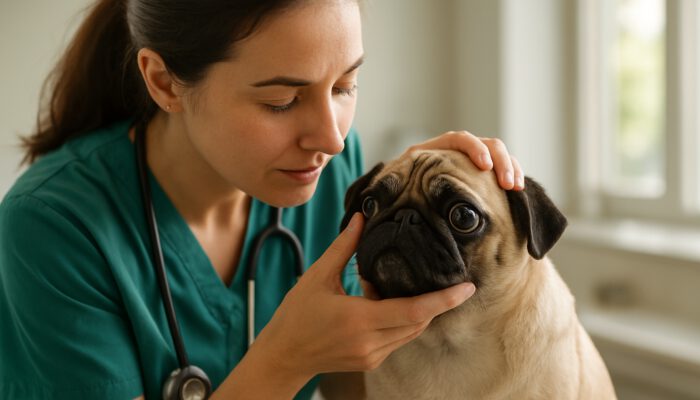
The frequency of eye health evaluations for brachycephalic breeds should be tailored to their individual needs. Generally, regular check-ups every six months are advisable, but pets with known issues may require more frequent assessments. By scheduling regular appointments, owners can identify potential problems before they escalate into serious concerns.
Veterinarians also encourage owners to closely monitor their pets between visits. If any changes in behaviour or appearance of the eyes are observed, it is essential to seek veterinary advice without delay. Early detection and intervention are crucial for maintaining the eye health of brachycephalic pets.
What Eye Health Risks Are Specific to Different Breeds?
Brachycephalic pets face heightened risks for certain eye conditions due to their unique facial structures. Common issues include entropion, which can cause eyelids to rub against the cornea, leading to pain and potential vision loss. These breeds are also more prone to dry eye syndromes, resulting in chronic discomfort and irritation.
Veterinary ophthalmologists recommend proactive monitoring during routine health check-ups. By understanding these breed-specific risks, owners can collaborate with their veterinarians to create personalised strategies that address their pets' unique eye health needs, ensuring timely interventions when necessary.
How Does Consistent Monitoring Improve Eye Health Outcomes?
What Are the Advantages of Regular Eye Health Check-ups?
Regular eye health evaluations provide numerous benefits for brachycephalic pets. Frequent assessments allow veterinarians to detect changes in eye health at an early stage, enabling prompt adjustments to treatment plans. This proactive approach supports long-term vision preservation and contributes to the overall well-being of the pet.
Consistent check-ups can also strengthen the bond between pet and owner. Engaging actively in their pet's healthcare empowers owners to manage potential issues effectively, leading to a more fulfilling relationship and enhanced quality of life for both.
What Are the Benefits of Early Detection of Eye Issues?
Identifying eye problems early in brachycephalic pets can significantly reduce the necessity for invasive procedures. Prompt recognition of conditions such as corneal ulcers or infections allows for less aggressive treatments, often resulting in improved recovery rates. This proactive approach minimises discomfort and helps pets return to their normal activities more quickly.
By intervening at an early stage, minor issues can be prevented from developing into severe conditions that may require surgical intervention. Staying vigilant and seeking veterinary advice promptly can help ensure that pets' eye health remains optimal throughout their lives.
How Can Changes in Eye Health Be Tracked Over Time?
Ongoing observation of a pet's eye health is vital for maintaining stable conditions. Here are some key benefits of regular monitoring:
- Identifying subtle changes in eye appearance.
- Documenting variations in tear production.
- Evaluating the effectiveness of treatment plans.
- Facilitating timely consultations with veterinarians.
By closely monitoring these factors, owners can significantly contribute to their pet's long-term eye health and overall well-being. This proactive strategy fosters better communication with veterinary professionals, leading to more efficient care plans.
How Can Owners Actively Monitor Their Pet's Eye Health?
Actively participating in your pet's eye health monitoring can result in improved outcomes. Owners who remain attentive to their pet's needs are more likely to notice subtle changes that may indicate potential issues. This awareness enables timely veterinary consultations, greatly enhancing treatment success.
By incorporating eye health checks into daily routines, pet owners can create a supportive environment that prioritises their pet's well-being. This involvement enhances the pet's quality of life and empowers owners to take an active role in managing their pet's health.
Research-Based Benefits of Eye Health Assessments for Brachycephalic Breeds
What Do Veterinary Research Findings Indicate About Eye Health?
Research shows that systematic eye health assessments significantly reduce complication rates in brachycephalic breeds. Studies reveal that proactive management strategies tailored to these pets' anatomical requirements lead to better health outcomes. Regular evaluations can detect potential issues before they escalate, enabling timely interventions.
Veterinary studies highlight the importance of routine monitoring in preventing chronic conditions. By adopting a structured approach to eye health assessments, pet owners can positively influence their pets' long-term well-being and minimise the risks of serious complications arising from untreated eye concerns.
How Does Good Eye Health Improve the Quality of Life for Pets?
Maintaining optimal eye health is directly associated with an enhanced quality of life for brachycephalic pets. Clear vision facilitates better mobility, allowing pets to navigate their surroundings confidently. Improved mobility encourages greater interaction with their owners and other pets, leading to more enriching daily experiences.
When pets can see clearly, they are more inclined to engage in play and exploration, both vital for their mental and physical health. By prioritising eye health assessments, owners can help ensure their pets enjoy an active and fulfilling lifestyle, thereby improving their overall quality of life.
What Cost-Effective Strategies Can Be Implemented for Eye Health Maintenance?
Investing in regular eye health assessments can lead to substantial cost savings over time. Early detection of minor issues often prevents the need for expensive surgeries or treatments that may arise from neglecting eye health. By addressing concerns before they escalate, owners can avoid the financial burden associated with advanced veterinary care.
Preventive measures usually lead to better health outcomes, reducing overall healthcare costs related to chronic conditions. By prioritising eye health, pet owners can save money while ensuring their pets remain healthy and happy.
Key Steps for Conducting Eye Health Examinations
What Techniques Should Be Employed for Visual Inspection of Eyes?
Conducting a thorough visual inspection of a brachycephalic pet's eyes is the preliminary step in assessing their eye health. Owners should meticulously examine the eyelids, cornea, and conjunctiva for any signs of abnormalities such as redness, swelling, or discharge. These visual indicators can provide critical insights into the pet's eye health status.
Veterinarians typically advise conducting these inspections in a well-lit environment to enhance visibility. By being diligent during examinations, owners can identify potential issues early, ensuring that their pets receive the necessary care to maintain optimal eye health.
How Can Tear Production in Pets Be Evaluated?
Evaluating tear production is a crucial aspect of assessing the eye health of brachycephalic pets. Insufficient tear production may lead to dry eyes, causing discomfort and increasing the risk of complications. Veterinarians commonly perform a Schirmer tear test to accurately gauge tear levels.
This straightforward procedure involves placing a small strip of paper in the eye to measure tear production over a specified period. The results assist veterinarians in making informed decisions regarding potential treatments or supplements to alleviate dryness and support eye health.
How Can Corneal Integrity Be Assessed?
Evaluating corneal health is essential for preventing severe issues like ulcers in brachycephalic pets. Veterinarians inspect the cornea for any signs of damage or irregularities, frequently using fluorescein dye to illuminate areas of concern. This assessment is vital for identifying problems that may not be visible to the naked eye.
If any corneal issues are detected, prompt intervention becomes crucial. Implementing protective measures, such as lubricating drops or medications, can help maintain corneal integrity and avert further complications.
Effective Strategies for Eye Health Assessments in Brachycephalic Breeds
What Home-Based Monitoring Techniques Can Be Utilised?
Monitoring eye health at home can significantly enhance professional care efforts. Here are some key benefits of simple daily checks that owners can carry out:
- Early identification of redness or discharge.
- Consistent evaluation of tear production.
- Improved communication with veterinarians concerning eye health.
- Enhanced comfort for pets through routine care.
By integrating these checks into their daily routines, owners can actively manage their pet's eye health. This proactive approach fosters a stronger bond and ensures that pets receive the necessary care to thrive.
When Is It Necessary to Consult a Veterinarian?
Recognising warning signs of eye problems is essential for timely intervention. If a brachycephalic pet shows symptoms such as persistent redness, excessive tearing, or squinting, it is imperative to seek professional assistance without delay. Early veterinary consultations can prevent minor issues from escalating into significant conditions.
Changes in behaviour, such as reluctance to play or increased sensitivity to light, may suggest underlying eye issues. Owners should not hesitate to consult a veterinarian to ensure their pets receive the necessary care for optimal eye health.
How Can Eye Checks Be Incorporated into Daily Care Routines?
Integrating eye health assessments into grooming routines can promote consistent attention without causing stress for pets. Owners can develop a habit of checking their pet's eyes while brushing or during playtime. This integration makes monitoring feel like a natural part of the pet's daily care.
By making eye health checks a regular feature of grooming, owners can remain vigilant about their pet's eye health. This consistent attention aids in identifying potential issues early, ultimately contributing to better health outcomes and a happier pet.
Why Is Customised Care Vital for Brachycephalic Breeds?
What Tailored Approaches Address Unique Anatomical Requirements?
Brachycephalic breeds require specialised eye care strategies due to their distinctive anatomical features. Their shorter muzzles and shallow eye sockets necessitate specific monitoring tactics to effectively address their vulnerabilities. Custom care plans can maximise the benefits obtained from each health assessment conducted.
Veterinarians typically develop personalised plans that reflect the specific risks associated with each breed. By focusing on these unique vulnerabilities, owners can enhance their pets' eye health outcomes and prevent complications that may arise from overlooking breed-specific needs.
What Factors Influence Treatment Recommendations?
Elements such as muzzle length and eye shape significantly affect treatment options for brachycephalic pets. These anatomical differences can influence the types of interventions that are most effective for maintaining eye health. Understanding these factors is crucial for formulating appropriate care strategies.
Veterinarians consider these aspects when recommending treatments or preventive measures. By tailoring approaches to each breed's specific needs, they can achieve the best possible outcomes for pets, ensuring long-term eye health and comfort.
What Are Long-Term Management Strategies for Eye Health?
Sustainable strategies for long-term eye health management are essential for brachycephalic pets. As these animals age, their eye health requirements may evolve, necessitating adjustments to their care plans. Regular veterinary check-ups can help identify these changing needs and enable timely interventions.
Veterinarians can work alongside pet owners to create comprehensive management plans that adapt as pets grow older. By focusing on ongoing support, owners can ensure their pets receive the necessary care to maintain optimal eye health throughout their lives.
Advanced Strategies for Optimal Eye Health Management
When Are Surgical Interventions Required?
In certain cases, surgical procedures may be necessary to rectify severe eye problems in brachycephalic pets. Operations such as eyelid surgery can address conditions like entropion, which can cause significant discomfort and vision loss if left untreated. These procedures are generally considered when conservative treatments prove insufficient.
Veterinarians conduct thorough evaluations to determine the most appropriate surgical options for each case. By addressing severe issues promptly, they can help restore proper eye function and enhance the overall quality of life for affected pets.
What Role Does Nutrition Play in Supporting Eye Health?
Nutrition is vital in promoting eye health for brachycephalic pets. Dietary strategies incorporating specific vitamins and antioxidants can help maintain eye function and diminish the risk of common issues. Foods rich in omega-3 fatty acids, for instance, can foster healthy tear production.
Consulting with a veterinarian about dietary options can provide valuable insights into the best nutritional choices for each pet. By implementing these strategies, owners can strengthen their pets' natural defences against eye-related problems.
Why Are Follow-Up Appointments Crucial?
Regular follow-up visits post-treatment are essential for confirming the success of interventions and adjusting care plans as necessary. Veterinarians typically recommend scheduling these appointments to monitor the pet's recovery and ensure that any prescribed treatments are effectively addressing the issues.
By maintaining consistent communication with veterinary professionals, pet owners can stay informed about their pet's eye health status. This collaborative approach fosters trust and ensures that pets receive ongoing care for optimal eye health.
Frequently Asked Questions
What Eye Conditions Are Commonly Found in Brachycephalic Pets?
Common eye conditions include dry eye syndrome, entropion, and corneal ulcers. These issues often arise due to their unique facial structure, leading to increased exposure and irritation.
How Often Should Eye Exams Be Scheduled for My Brachycephalic Pet?
It is generally advisable to have their eyes examined every six months; however, pets with existing issues may require more frequent evaluations to effectively monitor their condition.
What Symptoms Indicate My Pet May Have an Eye Problem?
Symptoms may include excessive tearing, redness, squinting, or discharge. Any noticeable changes in behaviour, such as reluctance to play, should also prompt a visit to the veterinarian.
Are There Specialised Products for Eye Care in Brachycephalic Pets?
Yes, there are eye drops and wipes specifically formulated for brachycephalic breeds to help maintain moisture and cleanliness, thereby reducing irritation.
What At-Home Actions Can I Take to Monitor My Pet's Eye Health?
Regularly check for redness, discharge, or changes in tear production. Incorporating eye checks into grooming routines can help you remain vigilant.
How Can Diet Impact My Pet's Eye Health?
A diet rich in omega-3 fatty acids and antioxidants can support tear production and overall eye health, helping to prevent common issues in brachycephalic breeds.
When Should I Seek Veterinary Assistance for My Pet's Eye Concerns?
Consult a veterinarian if you observe persistent redness, excessive tearing, or any signs of discomfort. Early intervention can prevent more serious complications.
What Is Entropion, and How Does It Affect My Pet?
Entropion is a condition characterised by the inward rolling of the eyelids, leading to irritation of the cornea. If left untreated, it can result in pain and vision loss.
Can Surgical Options Address My Brachycephalic Pet's Eye Problems?
Yes, surgical interventions may be necessary for severe conditions like entropion. Consult your veterinarian for options tailored to your pet's needs.
What Role Do Regular Check-ups Play in Maintaining My Pet's Eye Health?
Regular check-ups facilitate early detection of issues, timely interventions, and adjustments to care plans, ultimately improving your pet's long-term eye health.
Follow us on Facebook for the latest updates!
The Article Eye Health Checks for Brachycephalic Pet Breeds First Published On https://elgatoencasa.com
The Article Brachycephalic Pet Breeds: Essential Eye Health Checks Was Found On https://limitsofstrategy.com
The Article Essential Eye Health Checks for Brachycephalic Breeds was first found on https://electroquench.com