Unlocking the Secrets to Perfect Egg Cooking Techniques for Culinary Enthusiasts
What Key Ingredients Are Necessary for Creating Irresistible Egg Dishes?
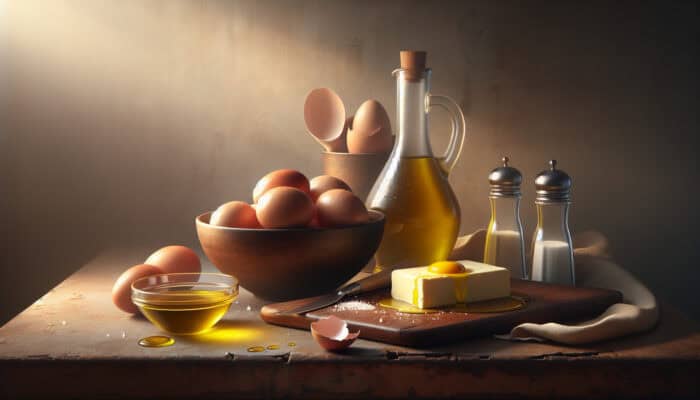
As you embark on your egg-cooking adventure, prioritising high-quality ingredients is essential. To create remarkable egg-based dishes, selecting fresh eggs is paramount, as they are foundational to flavour and texture. Enhance your culinary creations by using premium oils like olive oil or butter, which not only elevate taste but also improve the overall mouthfeel of your meals. Furthermore, a well-stocked pantry with essential seasonings such as salt and pepper will accentuate the inherent qualities of your eggs. By focusing on superior ingredients, you not only ensure exceptional results but also boost the confidence of beginners, enabling them to craft delectable dishes that are sure to impress.
Key Steps for Effectively Preparing Eggs Before Cooking
Preparing eggs for cooking is a crucial process that involves several essential steps to achieve the perfect consistency and flavour. Begin by gently cracking the eggs to prevent any shell fragments from contaminating your dish, which can ruin the texture. If you are aiming for scrambled eggs or an omelette, be sure to whisk the eggs thoroughly, as this incorporates air, resulting in a fluffier and lighter texture. For smaller quantities, a simple fork will suffice, while a whisk is ideal for larger batches. Mastering these fundamental techniques will significantly enhance your overall cooking skills, leading to more enjoyable and satisfying results in the kitchen.
How Can You Choose the Freshest Eggs for Optimal Culinary Results?
Selecting the right eggs is vital for achieving superior flavour and texture in your culinary creations. Fresh eggs are known to provide better taste and performance across a wide array of recipes. To ensure you are purchasing the freshest eggs, follow these essential checks:
- Examine the eggs for clean, unblemished shells, as imperfections can indicate age.
- Always check the best-before date to guarantee freshness and quality.
- Conduct the water test: fresh eggs will sink, whereas older eggs will float.
- Smell the eggs; any off odour is a significant warning sign.
By adhering to these guidelines, you can maintain the quality of your ingredients, ensuring that your egg dishes regularly turn out flavourful and satisfying.
Enhancing Your Kitchen Environment for Efficient Egg Dish Preparation
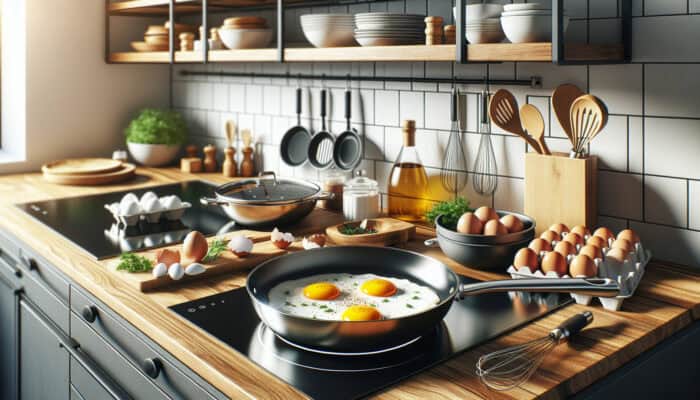
Must-Have Kitchen Utensils for Streamlined Egg Preparation
Equipping your kitchen with the right utensils can greatly enhance your egg-cooking experience and optimise the entire preparation process. Essential items include a high-quality non-stick frying pan for frying eggs, a designated pot for boiling, and a reliable whisk or fork for beating eggs to perfection. Additionally, a spatula is indispensable for flipping omelettes or fried eggs, ensuring even cooking. By having these essential tools readily available, you will not only improve your cooking efficiency but also promote safety throughout the preparation process.
Crucial Safety Measures for Proper Egg Handling in the Kitchen
Maintaining proper hygiene is crucial when handling eggs to prevent contamination and foodborne illnesses. Always wash your hands thoroughly before and after handling eggs, and keep your cooking surfaces clean and sanitised at all times. Store your eggs in the refrigerator at a temperature below 4°C to effectively inhibit bacterial growth. Additionally, prevent cross-contamination by ensuring raw eggs are kept separate from other food items. These best practices are essential for all cooks, whether novices or seasoned professionals, to maintain a safe cooking environment.
Avoiding Common Mistakes When Preparing Eggs
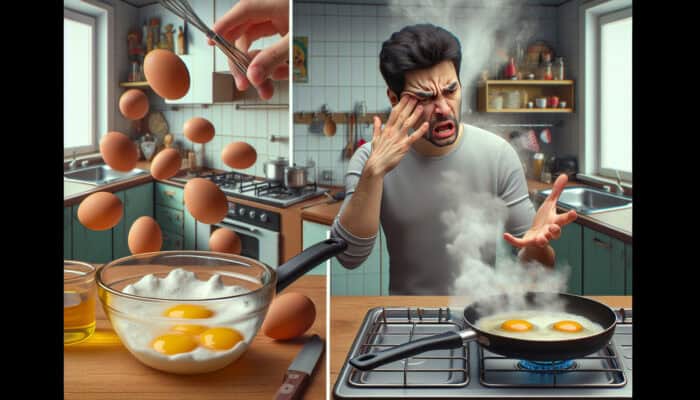
Cooking eggs comes with its share of challenges, and being aware of common pitfalls can greatly enhance your success and lead to satisfying outcomes. A frequent mistake is over-mixing beaten eggs, which can result in a dense texture rather than the fluffy consistency you desire. Another common error is neglecting to preheat your pan adequately, leading to sticking and uneven cooking. By recognising these common pitfalls and adhering to best practices, you can significantly improve your cooking results and enjoy perfectly prepared eggs every time.
Best Practices for Selecting and Properly Storing Eggs
When purchasing eggs, always opt for those with intact, clean shells. Verifying freshness is crucial; check the best-before date and perform a simple float test in water to ensure quality. Proper storage is equally important; keep eggs in the fridge at a consistent temperature to prevent spoilage and maintain their freshness. These practices minimise waste and ensure that your egg dishes are consistently delightful and enjoyable. Fresh, well-stored eggs yield enhanced taste and texture, making them a staple in any kitchen.
How Do Different Cooking Techniques Affect Egg Texture and Quality?
Key Elements That Influence Egg Consistency When Cooking
The texture of cooked eggs is significantly influenced by various factors, including the amount of heat applied and the duration of cooking. For example, cooking eggs over low heat enables a gradual cooking process, resulting in a tender and delicate texture that many people enjoy. Conversely, high heat can rapidly alter the consistency, often leading to rubbery eggs that lack both visual appeal and taste. Understanding how these variables affect your dish is essential for mastering the art of egg preparation. Experimenting with various heat settings will help you find the ideal balance that aligns with your personal taste.
Why Is Cooking Time Critical for Achieving Perfect Egg Preparation?
The timing of your cooking process plays a vital role in achieving the ideal egg texture. For boiled eggs, precise timing is essential: soft-boiled eggs require about 6-7 minutes, while hard-boiled eggs need approximately 9-12 minutes. Here’s a handy reference guide for various cooking times to achieve different textures:
- Soft-boiled: 6-7 minutes.
- Medium-boiled: 8-9 minutes.
- Hard-boiled: 9-12 minutes.
- Scrambled: 3-5 minutes, depending on the desired firmness.
Being attentive to these specific timeframes will ensure you achieve perfect results every time, resulting in beautifully cooked eggs that meet or exceed your expectations.
Techniques for Customising the Firmness of Your Eggs to Suit Your Preferences
If you prefer softer or firmer eggs, several techniques can help you adjust the cooking process accordingly. For softer scrambled eggs, cook them over low heat and stir gently; this method allows for air incorporation while retaining moisture. Conversely, if you desire a firmer texture, slightly increase the heat and whisk vigorously. Don’t hesitate to experiment with various methods until you find what best suits your taste. Cooking is as much about personal preference as it is about mastering fundamental techniques.
How Do Different Frying Techniques Affect Egg Texture and Quality?
The frying techniques you choose can dramatically influence the texture of your eggs, creating delightful contrasts in your dishes. Pan-frying often results in crispy edges and a runny yolk, making it ideal for dishes like eggs Benedict. Alternatively, deep-frying creates a crunchy exterior while keeping the yolk soft and delectable. Air-frying offers a healthier alternative, producing fluffy interiors with less oil. When selecting your frying method, consider the type of oil you use; for instance, Olive oil imparts a distinct flavour profile compared to butter. Mastering these techniques allows you to customise textures and create versatile meals that delight the palate.
Expert Strategies for Achieving Perfectly Boiled Eggs
Best Practices for Boiling Eggs to Perfection
Mastering the art of boiling eggs is a skill that can be refined through practice and keen attention to detail. Start by bringing a pot of water to a rolling boil, then gently add the eggs to prevent cracking. To reduce the risk of cracking, consider puncturing a small hole in the shell with a pin. Timing is critical: for soft-boiled eggs, aim for 6-7 minutes, while hard-boiled eggs should cook for 9-12 minutes. If you encounter common issues like a green ring around the yolk, this is often a sign of overcooking. Adjusting your cooking time and using a reliable timer can help address these concerns and perfect your boiling technique.
How Can You Personalise Boiled Eggs to Complement Your Meals?
Boiled eggs are incredibly versatile and can easily be customised to suit a variety of meals. Consider adding a pinch of salt or a dash of pepper to enhance their natural flavour. For a gourmet touch, sprinkle fresh herbs like chives or parsley on top. Additionally, incorporating spices such as paprika or curry powder can elevate your dish to new culinary heights. Don’t hesitate to experiment with different toppings and seasonings to create unique flavour combinations that perfectly complement your meals and tantalise your taste buds.
Advanced Techniques for Consistently Perfect Boiled Eggs from Experienced Chefs
For those striving for consistent results when boiling eggs, seasoned cooks recommend several advanced techniques. Investing in a digital thermometer can significantly enhance your ability to monitor water temperatures, as this is crucial for achieving the desired cooking outcome. Relying on a timer is also essential; many chefs suggest setting it immediately after placing the eggs in the water to avoid miscalculations. Another effective tip is to plunge the eggs into an ice bath immediately after boiling to halt the cooking process and achieve perfectly tender yolks. Implementing these strategies will refine your boiling skills and ensure flawlessly cooked eggs every time.
What Makes Fried Eggs an Incredibly Versatile Culinary Choice?
Exploring Variations in Frying Techniques for Eggs
Fried eggs offer a delightful range of variations that cater to different preferences and culinary styles. The classic sunny-side-up method showcases a vibrant yolk that remains runny, making it a favourite for breakfast dishes. Alternatively, over-easy eggs are often flipped to achieve a slightly cooked yolk while preserving its richness. For those who prefer a firmer texture, over-hard eggs ensure that the yolk is fully cooked. Explore these various frying techniques to discover your ideal method, ensuring that every breakfast is a delightful culinary experience.
How Does Your Choice of Oil Influence the Quality of Fried Eggs?
The type of oil selected for frying eggs can significantly impact both the flavour and texture of the final dish. For instance, olive oil imparts a Mediterranean flavour, while butter creates a rich, creamy texture that many people adore. Here’s a quick guide to commonly used oils and their benefits:
- Olive oil: Adds flavour while being heart-healthy.
- Butter: Provides a rich taste and a lovely golden colour.
- Coconut oil: Introduces a hint of sweetness and is a suitable dairy-free alternative.
- Vegetable oil: Offers a neutral flavour, ideal for frying at high temperatures.
Understanding the implications of your oil choice empowers you to elevate the quality of your fried eggs, making them an essential component of your cooking repertoire.
Common Challenges Encountered When Frying Eggs
Frying eggs can present several challenges, with sticking pans being one of the most common issues faced by home cooks. To combat this, ensure your pan is adequately preheated before adding any oil. Another frequent problem is achieving the perfect level of doneness; be mindful of your cooking time and adjust according to your personal preference. If you often find that your yolks break while flipping, consider using a gentle touch to maintain their integrity. By addressing these common challenges, you can enjoy the perfect fried egg each time you cook.
Pairing Fried Eggs with Diverse Cuisines for Enhanced Flavour
Fried eggs possess a remarkable ability to enhance a wide range of dishes across various cuisines. In Australia, they pair beautifully with barbecued meats, adding richness to classic breakfast plates. In Asian stir-fries, fried eggs provide essential protein, while in Mexican tacos, they can introduce a delicious twist to traditional ingredients. Experimenting with flavours can open up an exciting world of culinary possibilities; consider pairing fried eggs with avocados, salsa, or even kimchi for an unexpected fusion experience. The adaptability of fried eggs allows for creative exploration in your cooking, making them a versatile ingredient in your culinary creations.
Examining the Nutritional Benefits and Dietary Adaptations of Fried Eggs
Fried eggs are not only a delicious option but also packed with numerous nutritional benefits. They serve as an excellent source of high-quality protein and essential vitamins, making them a valuable addition to any balanced diet. For those following low-carb or gluten-free diets, fried eggs can provide a satisfying and filling meal option. To create a healthier version, consider using less oil or opting for a non-stick pan. Furthermore, incorporating ingredients like spinach or tomatoes can further boost their nutritional profile, creating a well-rounded meal that fuels your day and supports your health.
Research-Backed Benefits of Scrambled Eggs
Discovering the Nutritional Advantages of Scrambled Preparations
Scrambled eggs are renowned for their nutritional benefits, primarily due to their high protein content and rich supply of essential vitamins such as B12 and D. These vital nutrients play a crucial role in muscle repair and overall health. By incorporating scrambled eggs into your daily diet, you can effectively support your energy levels throughout the day. Additionally, they are perfect for quick meals, making them a practical choice for busy lifestyles while providing a nutritious boost when time is limited.
How Can You Elevate the Flavour Profile of Scrambled Eggs?
Enhancing the flavour of scrambled eggs is both a straightforward and rewarding process. Consider incorporating fresh herbs such as basil or cilantro to elevate the taste and freshness of your dish. Adding ingredients like cheese or cream can create a rich, luxurious texture that transforms your scrambled eggs into a gourmet experience. Furthermore, a dash of hot sauce or smoked paprika can provide a unique flavour dimension, ensuring your scrambled eggs are anything but mundane. Experimenting with different seasonings and additions will keep your dishes varied and exciting, enticing your palate each time.
Expert Techniques for Achieving Creamy Scrambled Eggs
For those seeking a luxurious, creamy texture in their scrambled eggs, employing a few expert techniques can significantly enhance the outcome. Start by whisking the eggs thoroughly with a splash of milk or cream to promote a rich consistency. Cooking over low heat while stirring constantly allows for even cooking and prevents the eggs from becoming rubbery. Additionally, removing the eggs from the heat while they are slightly underdone can yield a perfectly creamy finish. Incorporating these methods into your cooking will undoubtedly elevate your scrambled egg experience to new heights, making them a standout dish.
Scrambled Eggs: A Heart-Healthy Choice
Research indicates that scrambled eggs can support heart health, particularly when paired with omega-3 rich options like salmon or avocado. These nutritious ingredients help reduce inflammation and promote cardiovascular wellness. By incorporating wholesome components into your scrambled eggs, you not only enhance flavour but also boost their nutritional profile, making them a heart-healthy choice for your meals. This combination elevates your dishes while prioritising your health, allowing you to enjoy delicious food that also supports your well-being.
Proven Strategies for Perfectly Poached Eggs
Key Factors for Consistent Poaching Success
Poaching eggs can seem intimidating, but understanding the key elements can lead to consistent success. Begin with fresh eggs, as they maintain their shape better during cooking. Using a pot of gently simmering water rather than a rolling boil is crucial for preserving the egg’s form. Adding a splash of vinegar to the water can aid in coagulation, creating a neater poached egg. Mastering these foundational tactics will give you the confidence to perfect your poaching skills and create beautifully presented eggs that are both delicious and visually appealing.
What Techniques Ensure the Ideal Shape of Poached Eggs?
To maintain the shape of poached eggs, several techniques can be effectively employed. First, gently stirring the water can create a vortex, helping the egg white wrap around the yolk, resulting in a compact and visually appealing shape. Using a poaching cup or ring can also provide structure during cooking, ensuring a perfect outcome. Be mindful of cooking times, as even a minute can significantly affect the egg’s final appearance and texture. With practice and these tried-and-true techniques, you’ll achieve beautifully poached eggs each and every time.
How to Pair Poached Eggs with Other Dishes for Maximum Enjoyment?
Poached eggs are incredibly versatile and can complement a wide array of dishes, enhancing both flavour and nutrition. For breakfast, they pair perfectly with avocado toast, creating a nutritious and delightful meal. In salads, poached eggs add richness and protein, while they elevate heartier dishes like shakshuka. The soft yolk serves as a delicious sauce, enhancing flavours across various cuisines. Exploring different combinations can expand your culinary repertoire, making poached eggs a staple in your everyday meals and a delightful addition to any dish.
Mastering the Art of Omelettes with Confidence
Ingredients That Significantly Enhance the Quality of Omelettes
The quality of your omelette relies heavily on the ingredients you choose. Fresh, high-quality eggs are essential, but do not underestimate the importance of fillings. Incorporate ingredients like sautéed mushrooms, fresh spinach, or a blend of cheeses to enhance both flavour and texture. Fresh herbs such as chives or basil can add a burst of freshness, elevating your dish to new culinary heights. Balancing these components will result in a delicious, well-rounded omelette that satisfies your cravings and impresses your guests.
Steps to Prevent Omelette Tearing and Ensure Successful Cooking
Preventing omelette tearing involves strategic techniques that can save your dish from frustration and disappointment. First, ensure your pan is adequately heated and greased to prevent sticking. When pouring in the egg mixture, tilt the pan to ensure even coverage. As the edges begin to set, gently lift them with a spatula while tilting the pan to allow the uncooked egg to flow towards the edges. Finally, when it’s time to fold the omelette, do so gently to maintain its integrity. Mastering these steps will lead to flawless omelettes every time you cook, allowing you to showcase your culinary skills.
Why Does Practice Improve Your Omelette Skills Over Time?
Like any culinary skill, mastering the art of omelettes requires practice and patience. Each attempt provides valuable lessons regarding heat control, timing, and ingredient combinations. Over time, you will develop an intuitive sense of how to create the perfect omelette, adjusting techniques to suit your individual preferences. Remember, cooking is a journey, and each omelette you make sharpens your skills, expands your culinary prowess, and bolsters your confidence in the kitchen.
Essential Tips for Properly Storing Cooked Eggs
Effective Storage Methods to Keep Cooked Eggs Fresh
Storing cooked eggs correctly is vital for maintaining their quality and safety. Allow cooked eggs to cool to room temperature before transferring them to an airtight container. Refrigerate them promptly to prevent any bacterial growth. Generally, cooked eggs can be safely stored in the refrigerator for up to 4 days, facilitating easier meal prep and enhancing efficiency in your cooking routine. By being diligent about storage practices, you can ensure your cooked eggs remain fresh and delicious for later enjoyment.
Identifying Signs of Spoilage in Stored Eggs
Recognising the signs of spoilage in stored eggs is crucial for ensuring safe consumption. Common indicators include off odours or changes in texture, such as a slimy feel. If the eggs develop an unusual colour or show signs of mould, it is important to discard them immediately. Regularly checking your stored eggs will help prevent any unwanted surprises, thereby maintaining food safety throughout your kitchen and ensuring that you serve only the best to your loved ones.
Creative Long-Term Uses for Cooked Eggs
Cooked eggs are incredibly versatile and can be repurposed in a variety of dishes. Consider adding chopped boiled eggs to salads for an added protein boost or using them as a delicious enhancement in sandwiches. Scrambled eggs can easily be incorporated into breakfast burritos or mixed into grain bowls for increased nutrition. Additionally, fried eggs can top a range of dishes, from rice bowls to noodles, adding a satisfying, nutritious element. Thinking creatively about how to use cooked eggs can minimise waste while enhancing your meals, making them more enjoyable and fulfilling.
Frequently Asked Questions (FAQs)
What is the best method for beginners to cook eggs?
The best method for beginners to cook eggs is to start with scrambled eggs. This technique is straightforward and provides an opportunity to practice handling eggs without the pressure of perfect timing or advanced techniques.
How long should I boil eggs to achieve soft-boiled results?
For soft-boiled eggs, cook them for approximately 6-7 minutes. This timing allows for a runny yolk while ensuring the egg white is set and firm, creating a delightful texture.
What are some common mistakes made when frying eggs?
Common mistakes when frying eggs include using a cold pan, which can cause sticking, and flipping too forcefully, potentially breaking the yolk. These pitfalls can be easily avoided with practice and attention to detail.
Can I store cooked eggs in the refrigerator?
Yes, cooked eggs can be safely stored in the fridge. Allow them to cool completely before placing them in an airtight container, where they can remain fresh for up to four days.
What is the healthiest way to enjoy eggs?
The healthiest way to enjoy eggs typically involves poaching or boiling them without added fats. Pairing them with vegetables or whole grains can further enhance their nutritional value.
How can I add flavour to scrambled eggs?
To enhance the flavour of scrambled eggs, consider incorporating fresh herbs like basil or chives, along with spices like paprika and cheese for richness and complexity that will elevate your dish.
What types of oil are best for frying eggs?
The best oils for frying eggs include olive oil for a Mediterranean flavour, butter for a rich taste, and coconut oil for a dairy-free option. Each provides its unique flavour profile to the dish.
How do I prevent my omelettes from tearing?
Prevent omelette tearing by using a well-greased pan, ensuring proper heat, and gently lifting the edges to allow uncooked egg to flow underneath, creating a smooth and cohesive finish.
What is the ideal temperature for cooking poached eggs?
The ideal temperature for poaching eggs is just below boiling, around 85-90°C (185-194°F). This gentle heat helps preserve the egg’s shape and texture for optimal results in your cooking.
How can I creatively repurpose leftover cooked eggs?
Leftover cooked eggs can be creatively repurposed in salads, sandwiches, or breakfast burritos. They also work well as toppings for rice or grain bowls, adding protein and flavour to your meals.
Connect with Us on Facebook for More Culinary Tips!
The post How to Cook Eggs in Five Easy Ways: Quick and Delicious Methods appeared first on https://cookinggods.com
The Article Cook Eggs: Five Quick and Delicious Methods Was Found On https://limitsofstrategy.com
The Article Cook Eggs: Five Tasty and Fast Techniques found first on https://electroquench.com