Explore the In-Depth FBC Test Available in Watford
What Is the FBC Test in Watford?
Private FBC Test in Watford: The FBC test, also referred to as a Full Blood Count test, is an invaluable diagnostic tool extensively used within the UK healthcare framework. This important test assesses an individual’s overall health and assists in identifying a range of medical issues, including infections, anaemia, and leukaemia. In numerous clinics across the UK, qualified healthcare professionals perform the FBC test adhering to strict procedural protocols to ensure accuracy and safety. The process involves drawing a small blood sample, usually from a vein in the arm, which is then analysed in a laboratory that employs advanced technology to guarantee precise and dependable results.
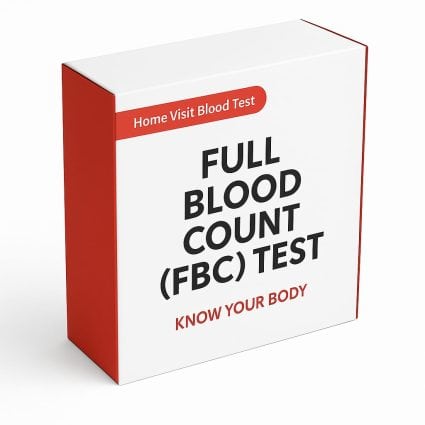

Local health centres in Watford strictly follow established protocols which are vital for delivering accurate results. Patients might be required to provide a comprehensive medical history, including any medications they are currently taking, which could influence the test results. These practices are crucial as they enable healthcare professionals in Watford to accurately interpret the results and make educated decisions regarding treatment or further investigations. The FBC test plays a key role in routine health assessments, particularly for individuals with existing health conditions or those pursuing preventative healthcare.
Essential Components of the FBC Test
The FBC test encompasses several crucial components that together provide a thorough overview of an individual’s blood health. The primary metrics measured in this test include red blood cell (RBC) count, white blood cell (WBC) count, haemoglobin levels, and platelet count. Each of these metrics has a specific function in monitoring health and diagnosing potential medical concerns.
For instance, the RBC count is essential for detecting anaemia, while the WBC count is significant in identifying infections. Throughout laboratories in the UK, testing procedures adhere to stringent quality control standards, ensuring that samples are processed under reliable conditions to deliver accurate results. Automated analysers are utilised to conduct multiple tests simultaneously, greatly improving efficiency and reducing turnaround times for results. These technological innovations are standard in Watford’s medical facilities, guaranteeing that patients receive prompt and precise diagnoses.
Besides cell counts, the FBC test often includes indices such as mean corpuscular volume (MCV) and mean corpuscular haemoglobin (MCH), which offer additional insights into the characteristics of blood cells. A comprehensive understanding of these indices allows healthcare professionals to distinguish between various types of anaemia and other blood disorders. Overall, the FBC test integrates these components to create a holistic view of an individual’s blood health, which is critical for effective patient care.
Standardised Procedures for the FBC Test
Getting ready for an FBC test in Watford involves several standard procedures aimed at ensuring both safety and accuracy. Patients are generally encouraged to schedule an appointment at their local clinic or hospital, typically through NHS channels or private healthcare providers. While fasting is usually not necessary for an FBC test, individuals might be advised to refrain from consuming fatty foods and alcohol for a few hours prior to the test to improve the quality of the blood sample.
During the appointment, a healthcare professional will collect a blood sample using a sterile needle. This procedure is generally quick and involves minimal discomfort. Once the blood is drawn, it is sent to a laboratory for analysis, where various tests will be conducted to accurately assess blood components. In Watford, healthcare providers prioritise safety and hygiene, adhering to strict protocols to minimise the risk of infection during blood collection.
After blood collection, patients receive guidance on the next steps, which may include monitoring for any unusual side effects or complications, though such occurrences are rare. It is also essential to follow up with the healthcare provider to discuss the FBC test results, which are typically available within a few days. This thorough approach to testing and follow-up ensures that patients are well-informed about their health status and any further actions that may be warranted.
How Does the FBC Test in Watford Function?
Comprehensive Procedure for Conducting the FBC Test
The process of conducting an FBC test in Watford includes various systematic steps designed to ensure efficient testing and accurate result reporting. Initially, a patient visits a healthcare facility where a qualified professional collects a blood sample. This sample collection typically takes place in a clinical environment, guaranteeing a controlled setting that adheres to medical standards. The professional usually disinfects the area and employs a sterile needle to draw blood from a vein, commonly found in the arm, ensuring patient comfort throughout the procedure.
Once the blood sample has been collected, it is placed in specialised tubes that preserve its integrity during transport to the laboratory. In Watford’s medical facilities, samples are swiftly processed using automated analysers specifically designed to conduct a series of tests with high precision. This automation significantly enhances the speed and accuracy of the analysis, allowing for rapid assessment of the various components evaluated in an FBC test.
After the analysis is finalised, the results are compiled and reviewed by laboratory staff. They compare the findings against established reference ranges, tailored to the UK population. This comparison is essential for identifying abnormalities that may indicate underlying health issues. The results are subsequently communicated to the patient’s healthcare provider, who interprets them within the context of the patient’s overall health and medical history. This streamlined process guarantees that patients in Watford receive timely and effective care.
Factors Influencing the Accuracy of the FBC Test
Several factors can impact the accuracy of an FBC test in Watford, thereby influencing the reliability of the results. One significant factor is dietary habits. For instance, individuals consuming a high-fat meal shortly before the test may exhibit elevated triglyceride levels, potentially skewing the results of specific components measured in the FBC test. Consequently, healthcare providers often emphasise the importance of adhering to any dietary guidelines provided before the test to secure the most accurate outcomes.
Timing can also critically influence results. Blood counts can vary based on the time of day; for example, some studies indicate that white blood cell counts may fluctuate between morning and evening. Furthermore, factors such as stress, physical activity, and hydration can affect blood cell counts. To mitigate these influences, patients typically receive guidance to maintain a consistent routine leading up to their test.
Medications can also affect test results, particularly those that impact blood cell production or immune function. Patients must inform their healthcare provider about any medications or supplements they are taking, as this information is crucial for accurately interpreting the FBC test results. By understanding these elements, patients can help ensure their test results accurately reflect their health status, leading to more precise diagnoses and personalised treatment plans.
What Equipment Is Utilised for the FBC Test?
In Watford, hospitals and laboratories employ advanced equipment explicitly designed for performing FBC tests with high precision and speed. Central to this process are automated analysers, which can process numerous blood samples simultaneously. These analysers utilise sophisticated technology to measure various blood components, including red blood cells, white blood cells, haemoglobin, and platelets.
A commonly used type of equipment in UK laboratories is the haematology analyser. This machine employs laser technology or electrical impedance to count and classify blood cells. For example, a laser-based analyser can accurately assess the size and complexity of blood cells, providing detailed information about their characteristics. This level of detail is essential for diagnosing conditions such as anaemia and leukaemia, ensuring that healthcare providers can make informed decisions based on the results.
Moreover, laboratories utilise centrifuges to effectively separate blood components. Following blood collection, a centrifuge spins the samples at high speed, facilitating the separation of plasma and cells. This separation is crucial for accurate testing, as it guarantees that each component is analysed correctly. Quality control measures are also implemented, including regular maintenance and calibration of equipment, to ensure the analysers provide consistent, reliable results. This dedication to employing high-quality equipment is fundamental to delivering trustworthy diagnostic services throughout Watford.
Interpreting FBC Test Results Accurately
Interpreting FBC test results in Watford necessitates a comprehensive understanding of the normal reference ranges for various blood components. Healthcare providers will compare the results from the blood test against these reference ranges to identify any abnormalities. For instance, a low red blood cell count may indicate anaemia, while an elevated white blood cell count could suggest an ongoing infection.
In the UK, reference ranges are often adjusted based on demographic factors such as age and sex, ensuring that interpretations are relevant to the individual. When abnormalities are detected, healthcare professionals will consider the patient’s medical history, symptoms, and other diagnostic tests to form a complete picture of the individual’s health status. This holistic approach facilitates more accurate diagnoses and tailored treatment recommendations.
The implications of abnormal results can vary significantly. For example, a mildly elevated platelet count may not raise concern in isolation but can warrant further investigation if accompanied by other abnormal findings. Conversely, severely low levels of certain blood components may require immediate medical intervention. As part of interpreting the results, healthcare providers will discuss the findings with patients, explaining potential implications and outlining next steps, such as further testing or referrals to specialists. This collaborative discussion empowers patients to engage actively in their healthcare decisions.
Preparation Steps for the FBC Test
Proper preparation for an FBC test in Watford is critical for ensuring accurate results and providing a seamless experience for patients. While fasting is not typically required for an FBC test, individuals should arrive well-hydrated. Drinking plenty of water before the test can facilitate a smoother blood draw and improve overall comfort during the procedure.
Patients should also be mindful of their dietary intake in the days leading up to the test. Avoiding excessive fatty foods or alcohol can help maintain stable blood chemistry, which is vital for accurate analysis. It is equally important to inform healthcare providers about any medications or supplements being taken, as certain substances may influence blood test outcomes. For example, anticoagulants can affect platelet counts, while certain vitamins can alter red blood cell measurements.
On the day of the test, patients are encouraged to wear a short-sleeved shirt or loose-fitting clothing to allow easy access to their arms. Additionally, arriving on time for the appointment is crucial to ensure testing can proceed as scheduled without unnecessary delays. Understanding these preparation steps enhances the overall experience for patients, ensuring that they feel confident and informed as they undergo the FBC test.
Expert Perspectives on the FBC Test in Watford
Innovative Techniques in FBC Testing
In the field of FBC testing in Watford, advancements in laboratory techniques have markedly improved the accuracy and reliability of results. The implementation of newer technologies, such as next-generation sequencing and flow cytometry, enhances the capability to detect subtle abnormalities in blood samples. These sophisticated methods enable healthcare providers to address complex medical conditions more effectively.
Flow cytometry, for instance, is an advanced technique that allows for analysis of blood cells at the single-cell level. This method is particularly beneficial for identifying specific blood disorders, such as leukaemias or lymphomas, which traditional techniques may overlook. By incorporating flow cytometry into routine FBC testing, clinicians can achieve a more nuanced understanding of a patient’s blood health, leading to more customised treatment plans.
Furthermore, laboratories in Watford are increasingly adopting automated systems that enhance the efficiency of sample processing. These systems minimise human error and ensure tests are completed within tight turnaround times, facilitating prompt diagnosis and treatment. Additionally, continuous training and development of laboratory staff are vital to keeping pace with technological advancements, ensuring that healthcare professionals are equipped with the necessary skills to interpret results accurately.
The emphasis on quality control remains paramount in advanced testing techniques. Regular calibration of equipment, participation in external quality assurance schemes, and adherence to national guidelines all contribute to maintaining high standards in FBC testing. By embracing these advancements, healthcare providers in Watford can offer improved diagnostic services, ultimately leading to enhanced patient outcomes.
Understanding FBC Test Results Thoroughly
Interpreting FBC test results is a critical skill for healthcare professionals in Watford, as these results provide key insights into a patient’s health status. When reviewing data from an FBC test, professionals must consider several factors, including the patient’s medical history, any symptoms, and potential risk factors for various conditions.
When analysing the results, healthcare providers pay close attention to thresholds for abnormalities. For instance, a haemoglobin level below the normal range may indicate anaemia, while significantly elevated white blood cell counts could suggest an infection or inflammation. Understanding these thresholds is essential for making informed clinical decisions, as they guide healthcare providers in determining whether further testing or intervention is necessary.
Communication with patients regarding their FBC test results is equally important. Healthcare professionals should explain the implications of abnormal findings and guide potential next steps, such as lifestyle changes, additional testing, or referrals to specialists. By fostering an open dialogue, healthcare providers can empower patients to take an active role in managing their health, facilitating a collaborative approach to care.
Additionally, healthcare professionals must stay updated with emerging research and guidelines on FBC testing. Continuing education ensures that they can interpret results accurately and incorporate best practices into their clinical decision-making. This ongoing commitment to knowledge and training reinforces the trust patients place in their healthcare providers, ultimately leading to better health outcomes.
Identifying Risks and Precautions for the FBC Test
While the FBC test is generally regarded as safe, there are some risks and precautions that patients and healthcare providers should acknowledge in Watford. The most common risk associated with blood draws is bruising or discomfort at the puncture site. In rare instances, individuals may experience fainting or dizziness during or after the procedure as a result of anxiety or a vasovagal response.
To minimise these risks, healthcare professionals take precautions to ensure patient comfort and safety. For example, they may advise patients to sit or lie down during the blood draw, particularly if they have a history of fainting. Moreover, proper technique during the blood draw, including the use of sterile equipment and thorough disinfecting of the puncture site, reduces the risk of infection.
Patients can actively participate in minimising risks by adhering to preparatory guidelines and communicating openly with their healthcare providers. Informing the provider about any medical conditions, medications, or previous adverse reactions to blood draws can help tailor the experience to individual needs. By practising these precautions, patients can ensure a smoother, safer experience during the FBC test.
Post-test, individuals should monitor the puncture site for any signs of complications, such as excessive swelling or redness. If any unusual symptoms occur, seek prompt medical attention. This proactive approach not only enhances patient safety but also reinforces the importance of ongoing communication and collaboration between patients and healthcare providers.
Accessing FBC Testing in Watford
Access to FBC testing in Watford is facilitated through various healthcare channels, ensuring residents can easily obtain this essential diagnostic service. The National Health Service (NHS) provides FBC testing at numerous clinics and hospitals across the region, allowing individuals to schedule appointments through their General Practitioners (GPs) or directly at local facilities.
In addition to NHS services, private healthcare providers also offer FBC testing with varying appointment processes. While NHS testing is primarily funded through taxation, private options may involve out-of-pocket expenses. Patients are advised to consider their healthcare needs and financial situation when deciding between NHS and private services.
Appointment availability can vary, particularly during peak periods or public health initiatives. Therefore, individuals should book their tests in advance to avoid delays. Additionally, some clinics may offer walk-in services for urgent cases, ensuring that individuals requiring immediate testing can access care without a prior appointment.
Navigating potential barriers to access, such as language difficulties or transport issues, is also essential. Many clinics in Watford provide resources and support for non-English speakers, and local communities often have initiatives to assist with transportation for medical appointments. By understanding the available options and resources, residents can ensure timely access to FBC testing, which is crucial for maintaining their health.
What Are the Advantages of the FBC Test in Watford?
Health Benefits of the FBC Test
The FBC test offers numerous health advantages for individuals in Watford, primarily through its role in early detection and prevention. By assessing various components of the blood, the test aids in identifying conditions that may not present with immediate symptoms. For instance, regular FBC testing can help detect anaemia, which may initially manifest as fatigue or weakness but can indicate more serious underlying health issues if not addressed promptly.
Moreover, the FBC test is instrumental in monitoring chronic conditions. Patients with conditions such as diabetes or heart disease benefit from routine blood counts, as changes in cell counts can indicate complications or the need for treatment adjustments. Early intervention based on FBC test results can lead to improved health outcomes, reducing the risk of hospitalisation and enhancing overall quality of life.
Furthermore, the test supports preventive health measures by encouraging individuals to engage in regular health screenings. Routine FBC testing complements other health checks, promoting a proactive approach to health management. By fostering a culture of regular monitoring, healthcare providers in Watford can help residents maintain optimal health and prevent the escalation of potential health issues.
Overall, the health advantages of the FBC test extend beyond immediate diagnostic capabilities, contributing to a comprehensive approach to preventive care and chronic disease management. This proactive stance is essential in promoting long-term health and wellbeing among individuals in the community.
Why Opt for the FBC Test for Routine Health Checks?
Choosing the FBC test for routine health checks in Watford is a proactive decision that supports overall wellness. One of the primary reasons individuals opt for this test is its ability to detect early imbalances in blood components. By routinely monitoring blood levels, healthcare providers can pinpoint issues before they develop into severe health problems, allowing for timely interventions.
Another significant benefit of the FBC test is its minimal disruption to daily life. The test itself is quick and usually involves only a brief blood draw, enabling individuals to resume their normal activities almost immediately. This convenience encourages regular participation in health screenings, making it easier for individuals to prioritise their health without significant interruptions.
Additionally, the FBC test is a foundational element of comprehensive health assessments. Many healthcare providers incorporate it into routine check-ups, providing a holistic view of an individual’s health status alongside other tests and evaluations. This integrative approach enhances the ability to identify potential health risks and tailor treatment plans to meet individual needs.
Finally, the accessibility of FBC testing through NHS and private healthcare options in Watford ensures that individuals can easily obtain this vital service. This accessibility further encourages regular health monitoring, which is essential for maintaining optimal wellbeing and preventing more serious health issues in the future.
Long-Term Benefits from the FBC Test
Long-term monitoring through regular FBC testing in Watford can lead to significantly improved health outcomes for individuals. By establishing a baseline of blood health, healthcare providers can identify trends over time, allowing for early detection of potential health issues. For instance, consistent monitoring of blood counts can indicate whether a condition is worsening or responding to treatment, enabling timely adjustments to healthcare plans.
Moreover, ongoing FBC testing can reduce the necessity for more invasive procedures. For patients with chronic conditions, regular blood counts can provide crucial information about disease progression without necessitating additional tests or interventions. This not only enhances patient comfort but also decreases healthcare costs and the burden on healthcare systems.
Additionally, the emphasis on long-term monitoring promotes a proactive approach to health management. Individuals who engage in regular FBC testing are more likely to adopt healthier lifestyle choices, supported by insights from their test results. This shift towards preventive health behaviours ultimately contributes to a better quality of life and improved long-term health outcomes.
Overall, regular engagement with FBC testing empowers individuals to take charge of their health, leading to enhanced tracking of health changes, personalised interventions, and a greater emphasis on wellness. The cumulative benefits of this approach significantly improve the overall healthcare landscape in Watford.
Research-Driven Benefits of the FBC Test in Watford
Evidence-Based Justifications for the FBC Test
Research conducted within the UK underscores the critical role of the FBC test in diagnosing a variety of conditions, particularly anaemia and infections. Studies indicate that early detection through blood counts can facilitate timely interventions, leading to improved patient outcomes. For instance, data suggest that individuals diagnosed with anaemia through routine FBC testing experience better management of their condition when treated early, often resulting in enhanced quality of life and reduced healthcare costs.
Furthermore, population-based studies have demonstrated that regular FBC testing can significantly impact public health in the UK. By identifying trends in blood health across demographics, healthcare providers can implement targeted interventions for high-risk populations. This proactive strategy addresses individual health needs and contributes to broader public health initiatives, promoting community wellbeing.
The utility of the FBC test extends beyond initial diagnosis; it also plays a vital role in monitoring the effectiveness of ongoing treatments. For example, patients undergoing chemotherapy for cancer often require frequent blood counts to assess their response to treatment and adjust doses accordingly. The evidence supporting the reliability and effectiveness of FBC testing underscores its integral position in modern healthcare practice, particularly in managing chronic conditions and facilitating early detection of serious health issues.
Overall, the research highlights the FBC test’s value as an essential tool in both individual and public health contexts. The benefits derived from these tests reinforce the importance of regular monitoring as a fundamental component of effective healthcare delivery in Watford.
How Does the FBC Test Support Tailored Treatment Plans?
The FBC test bolsters treatment plans by providing essential data that informs clinical decision-making in Watford’s healthcare settings. When healthcare providers receive FBC test results, they gain insights into the patient’s overall blood health, significantly influencing treatment strategies. For instance, if a patient’s test results indicate low haemoglobin levels, clinicians may initiate anaemia treatment, which could include dietary changes, iron supplements, or other interventions tailored to the individual’s specific needs.
Additionally, the FBC test allows for ongoing monitoring of a patient’s response to treatment. For example, patients undergoing treatment for chronic conditions, such as autoimmune disorders or cancer, frequently require regular blood counts to evaluate the effectiveness of their therapies. Changes in blood cell counts can indicate whether the treatment is working or if adjustments are necessary, thereby ensuring that patients receive the most effective care possible.
Furthermore, the FBC test can help identify potential complications arising from treatment. For instance, certain medications may suppress bone marrow function, leading to decreased blood cell production. By closely monitoring blood counts, healthcare providers can detect these issues early and make timely modifications to the treatment regimen, minimising risks and optimising patient safety.
Overall, integrating FBC testing into treatment plans supports a personalised approach to healthcare, fostering better patient outcomes through informed decision-making and continuous monitoring. This dynamic process emphasises the necessity for collaboration between healthcare providers and patients, empowering individuals to engage actively in their treatment journeys.
What Makes the FBC Test a Reliable Diagnostic Tool?
The reliability of the FBC test stems from a combination of rigorous laboratory standards, advanced technology, and well-established protocols within UK healthcare settings. Laboratories in Watford adhere to strict quality control measures that ensure the accuracy of the results. Regular calibration of equipment and participation in external quality assurance programmes reinforce the integrity of the testing process, enabling consistent, trustworthy outcomes.
One of the critical factors contributing to the reliability of the FBC test is the use of automated analysers that reduce human error. These machines are designed to analyse blood samples with high precision, measuring various components simultaneously and providing rapid results. By minimising manual processes, laboratories can enhance reporting accuracy and limit discrepancies arising from subjective interpretation.
Moreover, the comprehensive training laboratory staff receive equips them with the skills needed to operate sophisticated equipment and interpret results accurately. Continuous professional development is encouraged to keep staff up to date with the latest advancements in haematology and laboratory practices. This commitment to education and training is vital for maintaining high standards of care and ensuring that patients receive reliable diagnostic services.
Furthermore, each FBC test result is contextualised within the patient’s medical history and current health status. Healthcare providers take into account factors such as age, sex, and existing medical conditions when interpreting results, which enhances the overall reliability of the findings. This holistic approach ensures that when patients receive their FBC test results, they can trust that these outcomes are relevant and actionable.
Where Can You Access the FBC Test in Watford?
Available Locations for the FBC Test
In Watford, residents can access FBC testing through various healthcare facilities, ensuring that essential diagnostic services are readily available. The National Health Service (NHS) offers FBC testing at numerous local clinics, hospitals, and community health centres. Patients can obtain referrals from their General Practitioners (GPs) or schedule appointments directly at designated testing sites.
Private healthcare providers in Watford also offer FBC testing, giving individuals additional options for obtaining this critical health service. These private facilities often have flexible appointment schedules and may provide quicker turnaround times for results, appealing to those who prefer expedited services. However, it is essential to consider the potential costs of private testing and weigh them against the services provided by the NHS.
Many clinics in Watford have implemented online booking systems, allowing patients to schedule their FBC test appointments from home conveniently. Accessibility is further enhanced by the availability of walk-in services at some locations, accommodating individuals who require urgent testing without prior appointments.
Additionally, community health initiatives may also sponsor FBC testing events, particularly during health awareness campaigns. These events often provide free or low-cost testing opportunities, promoting public health and encouraging routine health monitoring among residents. By being aware of the various options available for FBC testing, individuals in Watford can easily prioritise their health and wellbeing.
Identifying Qualified Providers for the FBC Test
Locating qualified providers for FBC testing in Watford is straightforward, thanks to several resources available to residents. The NHS provides an online directory of local healthcare services, including clinics and hospitals offering FBC testing. By searching this directory, individuals can find accredited facilities that meet national quality standards, ensuring reliable testing and care.
Additionally, many GP practices in Watford can facilitate referrals to qualified laboratories for FBC testing. This often includes a thorough assessment by the GP, who may consider the patient’s medical history and symptoms before ordering the test. Such careful consideration ensures that patients receive the most appropriate care tailored to their individual needs.
For those seeking private options, reputable private healthcare providers in Watford typically have established networks of qualified professionals who conduct FBC testing. Online reviews and patient testimonials can provide valuable insights into the quality of care these providers offer, helping individuals make informed decisions.
Furthermore, local community health organisations may offer resources to find qualified providers, including information about health fairs or outreach programmes that offer FBC testing. By utilising these resources, residents can ensure that they access high-quality testing services that meet their healthcare requirements.
Cost Considerations for the FBC Test
The cost of an FBC test in Watford varies depending on the provider and whether the service is accessed through the NHS or private healthcare. For individuals using the NHS, FBC testing is typically provided free of charge, funded through taxation. Patients are encouraged to obtain referrals from their GPs to access these services without incurring any costs, promoting equitable healthcare access for all residents.
In contrast, private providers may charge fees for FBC testing, which can vary widely depending on the facility and service speed. While private testing can offer advantages such as quicker results and more flexible appointment options, individuals should assess whether the benefits justify the costs. Many private facilities provide transparent pricing, so potential patients can inquire directly about fees and any additional charges that may apply.
It is also worth noting that some health insurance plans may cover the cost of FBC testing conducted at private facilities. Individuals should check with their insurance providers to understand the extent of their coverage and to determine whether they can access FBC testing without incurring out-of-pocket expenses.
Overall, understanding the cost considerations associated with FBC testing allows individuals in Watford to make informed decisions about their healthcare options, ensuring they receive necessary diagnostic services while managing their financial resources effectively.
Guidelines for Preparing for the FBC Test
Preparing for an FBC test in Watford involves following specific guidelines to ensure accurate results and a smooth experience. Although fasting is generally not required, individuals are advised to arrive well-hydrated. Drinking water before the test helps facilitate the blood draw and can contribute to comfort during the procedure.
Patients should also be mindful of their dietary choices in the days leading up to the FBC test. While fasting is not mandatory, avoiding heavy or fatty foods can prevent interference with certain blood measurements. Additionally, individuals should inform their healthcare providers about any medications or supplements they are taking, as some substances can affect blood components and alter test results.
On the day of the test, patients should wear comfortable clothing that allows easy access to their arms. Arriving on time for the appointment is crucial to ensure that testing proceeds as scheduled. Many clinics also recommend that individuals avoid strenuous exercise or excessive stress before the test, as these factors can influence blood cell counts.
Furthermore, after the test, patients may receive guidance on monitoring their wellbeing and addressing any potential side effects from the blood draw. By adhering to these preparation guidelines, individuals can enhance their overall experience during the FBC test and ensure that their results accurately reflect their health status.
Understanding FBC Test Results Effectively
Understanding FBC test results is essential for individuals in Watford to manage their health effectively. Once the results are available, healthcare providers will typically discuss them with patients, explaining any abnormalities and their implications. The key components of an FBC test, including red blood cell count, white blood cell count, haemoglobin levels, and platelet count, are compared against established reference ranges to determine whether they fall within normal limits.
For instance, a low haemoglobin level may indicate anaemia, prompting further investigation and potential treatment options. Conversely, an elevated white blood cell count might suggest an infection or inflammatory process, necessitating additional diagnostic workup. By understanding these correlations, patients can become more engaged in their healthcare decisions and collaborate with providers on appropriate next steps.
Healthcare providers encourage patients to ask questions and seek clarification about their results, fostering open communication and improving health literacy. Understanding the significance of test outcomes empowers individuals to take proactive steps in managing their health, such as adopting lifestyle changes or adhering to treatment plans.
Furthermore, follow-up actions may be recommended based on the FBC test results, including further testing or referrals to specialists. This ongoing engagement in health management is crucial for individuals striving to maintain optimal wellbeing. Overall, a clear comprehension of FBC test results enhances patient-provider collaboration and promotes informed health decisions.
Preparing for the FBC Test in Watford
Essential Steps for Preparing for the FBC Test
Preparing for an FBC test in Watford involves several straightforward steps that can enhance test accuracy and ensure a smooth experience. Firstly, individuals should confirm their appointment details, including the date and time, to avoid any last-minute issues. As part of their preparation, patients are typically encouraged to stay well hydrated by drinking plenty of water before the test. Hydration helps improve blood flow and makes the blood draw easier.
Secondly, patients should review any dietary guidelines provided by their healthcare provider. While fasting is not universally required, avoiding heavy meals, particularly fatty or greasy foods, before the test can help ensure clearer results. Additionally, individuals should inform their healthcare provider about any medications or supplements they are taking, as certain substances may affect test results.
On the day of the FBC test, wearing comfortable clothing, particularly short sleeves or loose-fitting attire, can facilitate easier access to the arm for blood collection. It is also advisable to arrive at the clinic or hospital a few minutes early to allow time for any necessary paperwork. Being punctual helps to ensure that the appointment runs on schedule, reducing stress for both the patient and the healthcare staff.
Lastly, individuals should approach the test with a calm mindset. Anxiety can sometimes trigger physiological responses that may impact test results. Taking deep breaths or practising relaxation techniques before the test can contribute to a more positive experience. By following these steps, individuals can enhance their preparation for the FBC test, ensuring that they receive accurate results and a seamless process.
What to Expect During the FBC Test Appointment?
During the FBC test appointment in Watford, individuals can anticipate a straightforward and efficient process. Upon arrival, patients will be greeted by healthcare professionals who will guide them through the test. The initial step involves verifying personal information and confirming the test to be performed. This step is crucial to ensuring the correct procedure is followed.
Next, the healthcare professional will prepare for the blood draw. They will typically clean the area on the arm with an antiseptic wipe to minimise the risk of infection. Once the area is disinfected, a sterile needle will be used to draw a small amount of blood from a vein, usually in the inside of the elbow. Patients may feel a brief pinch or sting during the insertion, but the process is generally quick, often taking less than a minute.
After the blood draw, a small bandage or cotton ball may be applied to the puncture site to help stop any bleeding. Patients are usually instructed to apply gentle pressure for a short time. Once the procedure is complete, they can expect to resume their normal activities almost immediately, as there are typically no significant restrictions post-test.
The collected blood sample will then be sent to the laboratory for analysis. Patients may be informed of when they can expect to receive their results, typically within a few days. Overall, the FBC test procedure is designed to be efficient and minimally disruptive, ensuring a positive experience for individuals undergoing testing.
Follow-Up Actions After the FBC Test
Following an FBC test in Watford, several key actions can help individuals effectively manage their health and stay informed about their results. Firstly, patients should schedule a follow-up appointment with their healthcare provider to discuss the test outcomes. This meeting is crucial for understanding any abnormal findings and determining the appropriate next steps for care, whether that involves further testing, lifestyle changes, or treatment options.
Secondly, individuals are encouraged to monitor their health for any new symptoms or changes that may arise after the test. Keeping a health diary to track any unusual occurrences can provide valuable information to healthcare providers during follow-up appointments. If symptoms develop or existing conditions worsen, patients should not hesitate to contact their healthcare provider for guidance.
Another essential post-test action is to educate oneself about the implications of the FBC test results. Patients should feel empowered to ask questions during their follow-up appointment, seeking clarification on any aspect of their results or recommended actions. This active engagement contributes to better health outcomes and reinforces the patient-provider partnership in managing health.
Lastly, individuals should stay proactive about their health by maintaining routine check-ups and screenings as advised by their healthcare provider. Regular health monitoring can help identify potential issues early, promoting a holistic approach to wellness. By following these post-test actions, individuals can ensure they are well-informed and actively participating in their healthcare journey.
Common Misconceptions about the FBC Test in Watford
Dispelling FBC Test Myths
Numerous misconceptions surround the FBC test in Watford, leading to unnecessary anxiety among individuals considering this essential diagnostic tool. One common myth is that the test is excessively painful. In reality, while patients may experience brief, mild discomfort during the blood draw, the process is generally quick and well-tolerated. Healthcare professionals are trained to minimise discomfort, and most individuals find the experience manageable.
Another prevalent myth is that fasting is mandatory before an FBC test. While some blood tests require fasting, an FBC test typically does not. Patients are usually advised to avoid heavy or fatty meals before the test to prevent any possible interferences, but hydration is encouraged. Clarifying this point can alleviate concerns for those hesitant to undergo testing due to fasting requirements.
Some individuals also believe they need an FBC test only if they are symptomatic or have been diagnosed with a condition. However, the FBC test is essential for routine health monitoring, as it can detect underlying issues before symptoms appear. Regular testing enables early intervention and better health management, promoting overall wellness.
Lastly, there is a misconception that FBC testing is only available through private healthcare. In fact, the NHS provides extensive access to FBC testing at various clinics and hospitals in Watford, ensuring that residents can obtain this vital service without incurring costs. By debunking these myths, individuals can approach the FBC test with a clearer understanding, encouraging participation in regular health monitoring.
Is the FBC Test Necessary for Everyone?
Not everyone requires frequent FBC testing, as the necessity of the test largely depends on individual health status, risk factors, and clinical guidelines. Generally, individuals with specific health conditions, such as chronic diseases, or those experiencing symptoms related to blood health, are more likely to benefit from regular FBC testing. For example, patients with a history of anaemia, infections, or blood disorders should engage in routine testing to monitor their condition effectively.
Conversely, individuals without significant health concerns and who maintain a healthy lifestyle may not require as frequent testing. However, regular health check-ups, which may include an FBC test, are still advisable to promote preventive care and early detection of potential issues. This proactive approach ensures that any emerging health concerns are addressed promptly.
Moreover, healthcare providers often recommend FBC testing based on age, family history, and lifestyle factors. For instance, older adults or those with a family history of blood-related conditions may be advised to have more frequent assessments. Ultimately, the decision about the necessity of FBC testing should be made in consultation with a healthcare provider, who can tailor recommendations to individual health needs.
How Often Should the FBC Test Be Conducted?
The frequency of FBC testing in Watford varies based on several factors, including age, existing health conditions, and individual risk factors. Generally, healthcare providers may recommend that adults undergo an FBC test annually as part of routine health screenings, particularly for those with no significant health issues. This regular monitoring helps maintain awareness of overall blood health and enables early detection of potential problems.
For individuals with chronic conditions, such as diabetes or heart disease, more frequent FBC testing may be necessary. Healthcare providers will tailor the testing schedule based on the specifics of the condition and the patient’s response to treatment. For instance, patients undergoing chemotherapy may require monthly blood tests to monitor their blood cell levels closely, and lifestyle factors also play a crucial role in determining testing frequency. Older adults or those with a family history of blood disorders may be advised to have more regular assessments to ensure any potential issues are identified early. Those engaged in lifestyles that may predispose them to health concerns, such as heavy smokers or frequent alcohol consumers, may also benefit from increased testing.
Ultimately, the appropriate frequency of FBC testing should be determined in consultation with a healthcare provider to ensure that recommendations align with individual health needs and circumstances. This collaborative approach promotes proactive health management and optimal outcomes for individuals in Watford.
Frequently Asked Questions about the FBC Test
What Is an FBC Test?
An FBC test, or Full Blood Count test, measures various components of blood, including red and white blood cells, haemoglobin levels, and platelets, to assess overall health and detect underlying conditions.
How Is an FBC Test Conducted?
An FBC test is performed by drawing a small blood sample from a vein, typically in the arm, using a sterile needle. The sample is then sent to a laboratory for analysis.
Do I Need to Fast Before an FBC Test?
Fasting is generally not required before an FBC test. However, it is advisable to avoid heavy meals or fatty foods shortly before the test to ensure accurate results.
How Long Does It Take to Receive FBC Test Results?
FBC test results are typically available within a few days, depending on the laboratory and the specific tests conducted.
What Do Abnormal FBC Test Results Indicate?
Abnormal FBC test results can signify various health issues, such as anaemia, infections, or blood disorders. Healthcare providers will interpret the results in the context of the patient’s overall health.
How Frequently Should I Undergo an FBC Test?
The frequency of FBC testing varies based on individual health needs. Generally, annual testing is recommended for healthy adults, while those with chronic conditions may require more frequent assessments.
Can I Obtain an FBC Test Through the NHS?
Yes, FBC testing is available through the NHS at various clinics and hospitals in Watford, typically at no cost to patients with a referral from their GP.
What Is the Cost of an FBC Test at Private Facilities?
The cost of an FBC test at private facilities in Watford can vary widely, typically ranging from £30 to £100, depending on the provider and additional services offered.
Are There Any Risks Associated with an FBC Test?
The risks associated with an FBC test are minimal but may include mild discomfort at the puncture site, bruising, or, in rare cases, fainting during the blood draw.
What Should I Do After My FBC Test?
After an FBC test, individuals should follow up with their healthcare provider to discuss the results and any necessary next steps, and monitor for any unusual symptoms.
Connect with Us on Facebook!
This Article Was First Found On https://bloodtest.co.uk
The Article FBC Test in Watford: Essential Tips and Comprehensive Guide found first on https://electroquench.com