Discover the In-Depth Guide to Dairy Intolerance Testing
What is the Purpose of a Dairy Intolerance Test?
Private Dairy Intolerance Test in Leicester: A dairy intolerance test is an essential diagnostic measure aimed at uncovering negative responses to dairy products. These assessments typically utilise methods like blood tests or skin prick tests, administered by qualified specialists in Leicester. For example, a patient who frequently suffers from chronic digestive issues and bloating after consuming dairy may opt for testing to validate a concern about lactose intolerance. Following a blood test, results may reveal heightened levels of specific antibodies, indicating a reaction to dairy. This pivotal information aids in identifying symptoms and promotes dietary adjustments, empowering patients to eliminate dairy and effectively alleviate their discomfort.
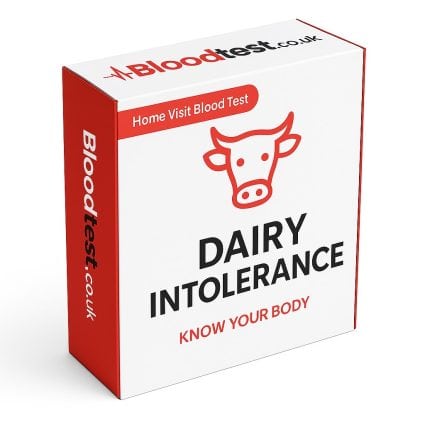

In a practical scenario at a Leicester clinic, a patient with a persistent history of bloating underwent a dairy intolerance test. The results confirmed a significant reaction to lactose, prompting vital dietary modifications that greatly enhanced their daily comfort and overall well-being. By sharing such real-life examples, local clinics effectively illustrate the importance of these tests and how they can dramatically improve the lives of those grappling with dairy intolerance.
How to Identify Key Symptoms of Dairy Intolerance in the UK
Individuals considering dairy intolerance testing in the UK should remain vigilant for several crucial signs that may suggest a potential intolerance. Common symptoms include digestive discomfort, characterised by bloating, excessive gas, or diarrhoea, which often manifest after consuming dairy products. Additionally, skin conditions such as eczema or hives may arise, further linking to dairy intake. For residents of Leicester, where many indulge in traditional dairy-rich diets, recognising these symptoms is essential for timely intervention and effective management.
These symptoms can significantly hinder daily life. For instance, an individual might begin to avoid social gatherings centred around meals due to anxiety associated with potential discomfort. By acknowledging these indicators, individuals can proactively seek testing, thereby enhancing their quality of life and improving their dietary practices. Understanding these signs is the vital first step towards regaining control over one’s health and well-being in Leicester.
What Testing Options Are Available in Your Local Area?
In Leicester, a wide range of dairy intolerance tests is accessible, allowing individuals to select the most suitable option tailored to their specific health concerns. The most common tests include lactose breath tests, which measure hydrogen levels in the breath after consuming a lactose-rich drink, and elimination diets, where dairy products are removed for a designated period to monitor symptom relief.
Local health centres provide these tests, ensuring that residents have access to dependable diagnostic procedures. For instance, a lactose breath test may be performed to assess an individual’s ability to digest lactose. If results show a marked increase in hydrogen levels following lactose consumption, it confirms a diagnosis of lactose intolerance. This clarity empowers individuals to make informed dietary decisions, leading to improved health outcomes. By recognising the variety of tests available, Leicester residents can select the most effective method to identify their dairy intolerance.
What is Involved in the Dairy Intolerance Test Process?
What Steps are Involved in the Testing Procedure?
The journey to obtaining a dairy intolerance test generally starts with an initial consultation at a healthcare facility in Leicester. During this appointment, a healthcare professional will meticulously evaluate the individual’s symptoms, medical history, and dietary practices to determine the most appropriate testing method. Following this assessment, the patient may undergo a specific test, such as a lactose breath test or a skin prick test, conducted under expert supervision to ensure safety and accuracy.
Once the test is completed, results are typically available within several days, and the healthcare provider will arrange a follow-up appointment to discuss the findings. For example, if the lactose breath test confirms an intolerance, the healthcare provider will offer guidance on dietary modifications to alleviate discomfort and enhance overall health. This transparent process not only empowers patients but also equips them with the knowledge required to make informed dietary choices, particularly in regions like Leicester, where dairy consumption is prevalent.
What Are the Benefits of Choosing Local Testing Options?
Selecting a dairy intolerance test within Leicester offers numerous advantages, primarily centred around the accessibility and reliability of local healthcare services. Many clinics in the area employ qualified specialists who understand the unique health challenges faced by local residents. This proximity to healthcare resources allows individuals to promptly seek help, making the testing process feel less daunting and more efficient.
Additionally, local clinics often provide personalised support, taking into account dietary habits specific to Leicester residents. By opting for testing in their immediate vicinity, patients can benefit from a tailored approach that considers local dietary preferences, cultural influences, and available food options, significantly increasing the likelihood of effectively managing their intolerance. This local focus not only enhances patient comfort but also fosters a supportive environment for those navigating the complexities of dietary intolerances.
How to Interpret Results and Decide on Next Steps
The findings from dairy intolerance tests play a pivotal role in guiding subsequent actions for individuals in Leicester. Upon receiving their test results, patients may discover a confirmed intolerance, leading to tailored dietary recommendations designed to minimise discomfort and enhance wellness. For example, if a patient learns they are lactose intolerant, they will receive advice on avoiding lactose-containing products while exploring lactose-free alternatives that are readily accessible in local shops.
Post-testing, patients are encouraged to closely monitor their symptoms and document any changes following dietary adjustments. This information is crucial for follow-up visits, where healthcare professionals can refine dietary plans and offer additional support. For many residents in Leicester, these subsequent steps lead to improved health outcomes, increased energy levels, and an overall enhanced sense of well-being as they adapt their lifestyles to manage dairy intolerance effectively.
Insights from Experts on Dairy Intolerance Testing in Leicester
How Do Specialists Recommend Approaching Testing?
Experts in Leicester advocate for a systematic approach to dairy intolerance testing, emphasising the importance of thorough evaluations prior to selecting a diagnostic method. Typically, healthcare providers encourage patients to first articulate their symptoms and dietary habits during a consultation. Based on this detailed information, specialists will recommend either a lactose breath test or an elimination diet, tailored to the individual’s specific needs and health history.
Preparation is a critical element of this process. For example, certain tests may require individuals to refrain from consuming dairy products for a specified period before testing to eliminate any immediate reactions. This preparatory phase is essential for ensuring that test results are accurate and reflective of the individual’s typical dietary responses. By adhering to these expert recommendations, residents of Leicester can enhance their testing experience and achieve reliable outcomes that inform their future dietary choices.
What Factors Are Crucial for Ensuring Accurate Test Results?
Achieving accurate outcomes from dairy intolerance tests in Leicester depends on several key factors that local health professionals highlight. One of the most significant aspects is the individual’s diet history, which should be thoroughly discussed during the initial consultation. Specialists recommend that patients maintain a detailed food diary leading up to the test, documenting any symptoms experienced after consuming dairy.
Furthermore, timing is vital; for instance, patients should avoid consuming dairy for a certain period before testing to ensure that test results accurately reflect their baseline tolerance. Additional considerations, such as medication usage or underlying health conditions, can also influence results, making it imperative for patients to communicate openly with their healthcare providers. By grasping these factors, Leicester residents can significantly enhance the reliability of their test outcomes, leading to more informed dietary adjustments.
What Are the Strategies for Effective Long-Term Management of Dairy Intolerance?
Effective long-term management of dairy intolerance is essential for maintaining health and well-being among Leicester residents. Experts recommend developing a personalised plan following testing, which includes dietary modifications and regular monitoring of symptoms. This plan may incorporate a variety of lactose-free alternatives available in local grocery stores, enabling individuals to continue enjoying familiar foods without exacerbating their intolerance.
Moreover, maintaining open communication with healthcare professionals is paramount. Regular check-ins can help assess the effectiveness of dietary changes and allow for necessary adjustments. For instance, if a specific lactose-free product causes discomfort, specialists can suggest alternative options. By adopting these long-term management strategies, individuals can enjoy a balanced diet while effectively managing their dairy intolerance, ultimately enhancing their quality of life in Leicester.
How to Decode Test Results for Improved Health Outcomes?
Interpreting the results of dairy intolerance tests is crucial for Leicester residents seeking to navigate their dietary restrictions effectively. Healthcare professionals provide expert guidance on interpreting these results and correlating them with reported symptoms to develop a comprehensive understanding of an individual’s tolerance. For instance, a test may indicate a mild lactose intolerance, suggesting that while complete avoidance might not be necessary, moderation is key.
Patients are encouraged to collaborate closely with their healthcare providers to comprehend the implications of their results. This cooperative approach ensures that individuals receive personalised advice tailored to their unique circumstances, empowering them to make informed decisions about their dietary habits. Furthermore, specialists often recommend follow-up consultations to reassess symptoms and adjust dietary plans as needed, ensuring that Leicester residents receive ongoing support in managing their health effectively.
Research-Backed Benefits of Dairy Intolerance Testing in Leicester
What Benefits Can You Expect from Dairy Intolerance Testing?
Dairy intolerance testing can lead to substantial improvements in an individual’s overall health and quality of life, as supported by numerous studies conducted in the UK. Individuals who undergo testing frequently report a significant reduction in digestive complications, such as bloating and gas, which can transform everyday experiences. By identifying and eliminating dairy from their diets, individuals often experience enhanced energy levels and a more balanced state of well-being.
Key benefits associated with dairy intolerance testing include:
- Reduction in digestive discomfort, such as bloating and gas
- Enhanced energy levels throughout the day
- Improved mental clarity and focus
- Better skin health with reduced instances of eczema or rashes
- Increased confidence in dietary choices
- Greater overall satisfaction during meals and social dining experiences
For residents of Leicester, the positive outcomes resulting from these tests can significantly elevate everyday life, promoting a healthier lifestyle and enhancing overall satisfaction.
How Can Testing Enhance Your Quality of Life?
The relationship between dairy intolerance testing and improvements in quality of life is well documented by various studies in the UK. Many individuals report a notable reduction in symptoms after identifying their intolerance, leading to increased participation in social activities and an uplifted mood. Healthier dietary choices foster a sense of empowerment, enabling individuals to make informed decisions that align with their personal health objectives.
Moreover, recognising and managing dairy intolerance often results in fewer health-related absences and a more active lifestyle among residents of Leicester. This proactive approach to health and nutrition not only benefits physical well-being but also contributes to a positive mental state. The cumulative effect of these improvements cultivates a more fulfilling and enjoyable daily life, underscoring the significance of dairy intolerance testing in enhancing overall quality of life.
How to Assess Testing Options for Maximum Effectiveness?
When considering dairy intolerance testing options in Leicester, it is crucial to evaluate the effectiveness of various testing techniques. Lactose breath tests, for example, are highly regarded for their accuracy in diagnosing lactose intolerance, while elimination diets provide valuable insights into how dairy affects an individual’s health. Each method possesses distinct advantages, and comprehending these can assist patients in making well-informed decisions.
Lactose breath tests are especially valued for delivering prompt results, making them a popular choice among patients seeking immediate answers. Conversely, elimination diets may yield a more comprehensive understanding of an individual’s relationship with dairy, albeit requiring more time and commitment. By comparing these options based on personal needs and preferences, Leicester residents can select the testing method that best aligns with their lifestyle and health concerns.
What Are the Safety and Reliability Standards of Dairy Intolerance Tests?
The safety and reliability of dairy intolerance tests are of paramount importance for individuals in Leicester contemplating these diagnostic procedures. Research conducted by UK institutions consistently highlights the minimal risk associated with these tests, showcasing their ability to deliver accurate results without significant side effects. For instance, lactose breath tests are non-invasive, with any potential side effects being mild and transient.
Patients can confidently undergo these tests, knowing they are well-regulated and widely utilised within the UK healthcare system. The high accuracy rates associated with these procedures further reinforce their reliability, enabling Leicester residents to make informed decisions regarding their health. By prioritising safety and accuracy, these tests empower individuals to effectively address their dairy intolerances.
What Long-Term Health Benefits Can Follow Dairy Intolerance Testing?
The long-term health outcomes linked to the early detection of dairy intolerance are considerable, particularly for Leicester residents who may experience persistent symptoms. UK studies illustrate that individuals who undergo testing and subsequently modify their diets often experience a decrease in medical visits related to digestive issues. Early intervention allows individuals to maintain a better nutritional balance, minimising the risk of complications associated with undiagnosed lactose intolerance.
Furthermore, adopting dietary changes based on test results can lead to sustained enhancements in overall health, including increased energy levels and improved mental well-being. For Leicester residents, the proactive step of undergoing dairy intolerance testing not only alleviates immediate symptoms but also lays the groundwork for long-term health benefits, fostering a sense of empowerment and control over their dietary choices.
What Are the Anticipated Costs for Dairy Intolerance Testing?
What Are the Typical Costs Associated with Your Testing?
The cost of dairy intolerance testing in Leicester can fluctuate based on the specific test and the healthcare provider. On average, individuals should expect to spend between £50 and £300 for a comprehensive testing package, which may include consultations, diagnostic tests, and follow-up appointments. The fee for the initial consultation typically ranges from £30 to £100. Additionally, the tests themselves may vary: basic lactose breath tests start at around £50, while more extensive testing involving multiple methods may cost £200 or more.
For clarity regarding costs, patients should reach out to local clinics directly to obtain detailed pricing information. This level of transparency assists individuals in budgeting effectively for testing and follow-up care, ensuring they are financially prepared as they pursue steps towards improved health.
Are There Affordable Alternatives for Testing Available in Leicester?
Residents of Leicester seeking dairy intolerance testing may discover affordable options through NHS services or local private clinics offering competitive pricing. The NHS frequently provides diagnostic tests for various intolerances, including dairy intolerance, at little to no cost to eligible patients. This accessibility ensures that individuals can pursue necessary testing without financial burdens, promoting better health outcomes within the community.
Additionally, some private clinics may offer promotional rates or bundled packages that can significantly lower costs. Exploring these options enables Leicester residents to access reliable testing services while being mindful of their budgets. By leveraging both NHS resources and private healthcare solutions, individuals can find a suitable pathway to obtain the testing they require.
What Should You Watch Out for Regarding Hidden Fees in Testing Procedures?
When arranging dairy intolerance testing in Leicester, it is essential to remain vigilant for potential hidden fees. For instance, some clinics might impose additional charges for repeat tests, supplementary consultations, or specialised follow-up services not covered in the initial package price. Understanding the complete cost structure associated with testing can help prevent unexpected financial burdens.
To avoid surprises, individuals are encouraged to inquire about the entire fee structure before committing to any testing. By asking specific questions and seeking clarity on what is included in the quoted price, Leicester residents can ensure a seamless testing experience while remaining financially prepared throughout the process.
What Preparations Are Essential for Your Dairy Intolerance Test?
What Steps Should You Take to Prepare for Your Test?
Proper preparation for a dairy intolerance test is crucial for ensuring accurate results. It is generally advised that individuals refrain from consuming dairy products for a designated period prior to the test, typically 24 to 48 hours, depending on the specific testing method. This elimination helps prevent immediate reactions that could distort test outcomes.
Additionally, patients should consult their healthcare provider regarding any medications they are currently taking, as some may interfere with test results. It is also beneficial to maintain a detailed food diary leading up to the test, documenting any symptoms experienced, which can provide invaluable insights during the consultation. By adhering to these preparatory guidelines, Leicester residents can optimise their testing experience and receive reliable results that better inform their dietary adjustments.
How to Avoid Common Mistakes During Preparation for Testing?
When getting ready for a dairy intolerance test, individuals in Leicester should exercise caution to avoid several common pitfalls that could impact test accuracy. One significant mistake is failing to adhere to dietary restrictions before testing, as consuming dairy within the recommended elimination period can lead to misleading test results.
Another frequent error involves not communicating openly with healthcare providers about symptom history or current medications, both of which can significantly influence test results. By being diligent in their preparations, individuals can ensure they obtain the most accurate and beneficial results from their dairy intolerance tests, ultimately facilitating improved health management.
Why Is Follow-Up Care Important After Receiving Testing Results?
Follow-up care is essential for managing dairy intolerance after testing, and Leicester residents should take proactive steps to monitor their health upon receiving their results. After obtaining their test results, individuals are encouraged to schedule a follow-up appointment with their healthcare provider to discuss the findings and develop a comprehensive dietary plan tailored to their specific needs.
Ongoing symptom monitoring is crucial, as individuals may need to adjust their dietary habits based on their experiences after reducing or eliminating dairy intake. Keeping a food diary can serve as an effective tool for tracking progress and recognising any persistent issues. By engaging in follow-up care, Leicester residents can ensure they maintain optimal health and adapt their approaches as necessary.
Your Questions Answered: Dairy Intolerance Testing FAQs
What Is the Difference Between Lactose Intolerance and Dairy Allergy?
Lactose intolerance is characterised by an inability to properly digest lactose, leading to digestive discomfort. In contrast, a dairy allergy involves an immune response to proteins in milk, which can result in more severe symptoms.
What Is the Average Waiting Time to Receive Results from a Dairy Intolerance Test?
Typically, results from a dairy intolerance test are accessible within a few days to a week, depending on the testing method and the specific clinic’s procedures.
Can I Consume Dairy Before the Test?
Generally, it is advisable to avoid dairy products for 24 to 48 hours before the test to ensure accurate results and prevent immediate reactions.
Are There Any Side Effects Linked to Dairy Intolerance Tests?
Most dairy intolerance tests, such as breath tests, are non-invasive and have minimal side effects. Some individuals may experience mild discomfort during or after the test.
What Dietary Changes Should I Make Following Testing?
After testing, individuals diagnosed with dairy intolerance should aim to reduce or eliminate dairy from their diet, focusing on lactose-free alternatives while monitoring their symptoms to make necessary adjustments.
Is Dairy Intolerance Common in the UK?
Yes, dairy intolerance is relatively common in the UK, affecting a significant segment of the population, particularly adults, who may gradually lose the ability to digest lactose.
Can Children Develop Dairy Intolerance?
Yes, children can develop dairy intolerance, though it is more frequently observed in adults. Symptoms in children may include digestive issues or skin reactions after consuming dairy.
What Strategies Can I Use for Long-Term Management of Dairy Intolerance?
Long-term management involves avoiding dairy, exploring lactose-free products, maintaining a balanced diet, and consulting with healthcare providers for ongoing support and guidance.
Are Home Testing Kits Available for Lactose Intolerance?
While home testing kits are available, it is advisable to consult healthcare professionals for accurate testing and guidance on managing lactose intolerance effectively.
What Should I Do If My Test Results Are Inconclusive?
If test results are inconclusive, it is crucial to consult your healthcare provider for further evaluation and, if necessary, additional tests to gain a clearer understanding of your symptoms.
Connect with us on Facebook!
This Article Was First Found On https://bloodtest.co.uk
The Article Dairy Intolerance Test: A Complete Guide for Leicester Residents found first on https://electroquench.com