Unlock the Secrets to Baking Perfect Empanadas with Essential Ingredients
Key Ingredients for Creating Flaky and Delicious Empanada Dough
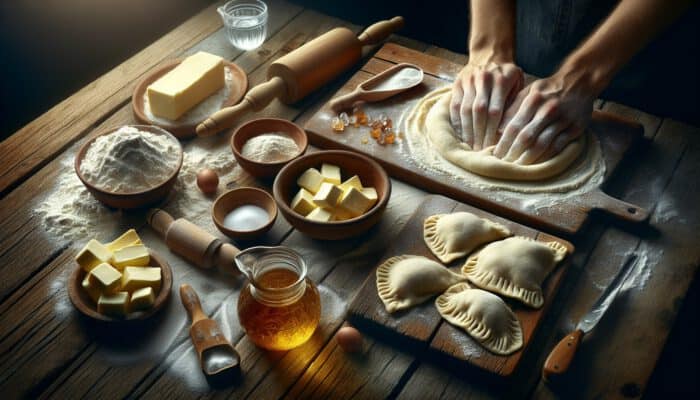
To craft the ultimate empanada, choosing the right ingredients is essential. The backbone of the dough is a carefully balanced mixture of flour, fat, water, and salt. Selecting the appropriate type of flour can dramatically influence the final texture, with all-purpose flour often serving as a versatile choice for achieving the desired balance. Incorporating fat, whether butter or lard, elevates the flakiness of the crust, making it irresistibly tender. Moreover, adjusting the hydration level with water can enhance the dough's elasticity, opening avenues for experimentation to find the perfect consistency. A trusted guideline is to maintain the fat content at about 20-30% of the flour's weight, allowing bakers to fine-tune hydration levels for their ideal dough.
For those with specific dietary needs, consider these excellent substitutions to accommodate various preferences:
- Gluten-free flour blends tailored for individuals with celiac disease
- Vegetable shortening as a plant-based replacement for traditional fats
- Herb-infused water to add an exciting flavour twist
- Wholemeal flour to enhance the nutritional profile
- Olive oil as a healthier fat alternative
Experimenting with these components can yield a dough that not only effectively envelops your desired fillings but also provides a delightful texture that is sure to impress your family and friends. By grasping the significance of each ingredient, you can elevate your baking skills and achieve remarkable results.
Perfect Your Techniques for Preparing Empanada Dough
Creating empanada dough necessitates a meticulous, methodical approach to ensure a delicious and visually appealing end product. Start by thoroughly combining the dry ingredients, such as flour and salt, before gradually integrating the wet elements, particularly the fat and water. This method guarantees even flavour distribution and mitigates clumping, which is vital for achieving a uniform dough consistency. Kneading the mixture until it reaches a smooth texture is crucial for developing the gluten structure, preventing unsightly cracks during baking. Your goal is to create a dough that is both pliable and resilient, making it easy to shape into perfect empanadas.
To enhance the flavour and texture, resting the dough for at least 30 minutes before rolling it out is highly recommended. This resting phase not only improves the dough's texture but also facilitates easier handling. By mastering these preparation techniques, you not only amplify the flavour but also refine the handling of the dough, culminating in a beautifully golden crust that encases your selected filling, a perfect addition to any gathering or occasion.
Equip Yourself with the Right Tools for Exceptional Empanada Baking
Successful empanada baking greatly depends on utilising the correct tools. Selecting suitable trays and cutters is vital for shaping your dough uniformly, ensuring even baking and an aesthetically pleasing presentation. Round cutters or pastry wheels are ideal for forming the classic empanada shape. Preheating your oven is another essential step; setting it to approximately 200°C (about 400°F) is optimal for achieving that sought-after golden crust without burning the edges.
Additionally, a pastry brush is invaluable for applying glazes, significantly enhancing the visual appeal of your empanadas. A high-quality rolling pin is crucial for ensuring uniform thickness in your dough, which is essential for consistent baking results. Investing in silicone baking mats can facilitate the easy transfer of empanadas from the preparation area to the oven, minimising the risk of sticking. With the right tools, the baking process becomes more efficient, enabling bakers to unleash their creativity and focus on developing fantastic flavours.
Delve into a Wide Array of Ingredients for Savoury Empanada Fillings
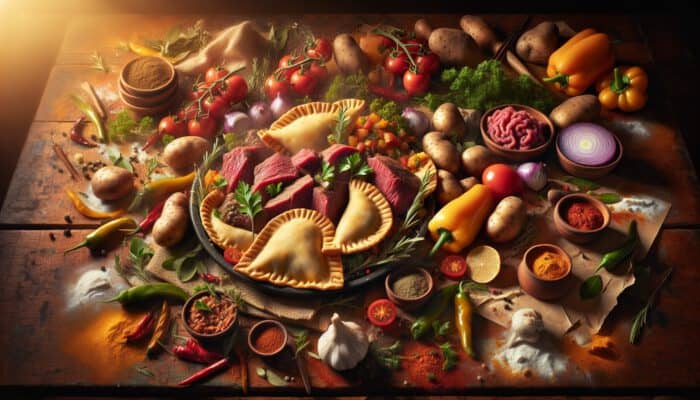
The selection of fillings is where empanada recipes truly excel, presenting countless opportunities for flavour exploration and culinary innovation. For a traditional touch, consider fresh proteins such as beef, lamb, or an assortment of vegetables, including potatoes and capsicum. Incorporating a diverse range of herbs and spices not only enhances flavour but also creates a harmonious mixture that beautifully complements the dough.
If you're in Australia, don't hesitate to explore local ingredients for a unique twist on your empanadas. For instance, adding kangaroo mince or fresh bush tomatoes can result in a distinctly Australian flavour profile. Furthermore, ensuring that the fillings are moist yet well-structured is crucial; no one enjoys a dry empanada. By exploring a variety of filling options that cater to different dietary preferences, you can create a dish that delights all guests, whether at a family gathering or a festive celebration. This versatility makes empanadas an ideal choice for any occasion.
Best Practices for Storing and Preserving Fresh Ingredients
Maintaining the freshness of your ingredients is vital for successful empanada baking. Store flour and fats in airtight containers within a cool, dry area to prevent spoilage and prolong their shelf life. Be sure to use vegetables and meats before their best-before dates to ensure optimal flavour and texture. This practice not only promotes food safety but also guarantees that your empanadas taste fresh and delightful.
For meats, consider freezing any leftovers that exceed your cooking needs; properly sealing them in vacuum bags can prevent freezer burn and preserve freshness. Fresh herbs can be effectively stored by wrapping them in damp paper towels and placing them in a sealed container within the refrigerator. By utilising the freshest ingredients possible, you enhance the overall quality of your empanadas, transforming them into a reliable and enjoyable dish for home cooks across Australia and beyond.
What Factors Influence Dough Rising?
Grasp the Science of Dough Fermentation for Perfect Rising
The rising of dough is intricately connected to the fermentation process involving yeast, which is essential for producing the air pockets that define the texture of your empanadas. As yeast consumes sugars present in the dough, it generates carbon dioxide gas. This gas forms bubbles that expand as the dough rises, ultimately resulting in a lighter, fluffier texture. To achieve the best outcome, it is crucial to understand the ideal temperature and time required for fermentation; warmer environments accelerate this process, whereas cooler temperatures can significantly hinder it.
For optimal results, allow the dough to rise in a draft-free environment at room temperature for about 1-2 hours. Regularly checking the dough’s progress can help prevent over-fermentation, which may lead to denser outcomes. Bakers can experiment with different fermentation durations to discover their preferred texture, paving the way for a satisfyingly airy empanada that bakes evenly and delivers delightful taste, regardless of the filling used.
How Can You Recognise Signs of Proper Proofing?
Identifying when your dough has adequately proofed is vital for achieving the perfect empanada crust. The most reliable indicators include a noticeable doubling in size and a springy texture when gently pressed. As the dough rises, it should feel light and airy, confirming that the yeast has effectively performed its function.
However, be vigilant about overproofing, which can lead to collapse and a dense, unappetising crust. To prevent this, monitor the dough closely, especially as it nears the conclusion of the proofing period. The ideal dough for baking should not only have risen significantly but also spring back slightly when touched, indicating that it is ready for shaping and filling. Developing a keen eye for these signs will enhance your baking routine, ensuring consistent and reliable results every time.
How to Adapt Dough Rising Techniques for Various Climates?
When baking empanadas, local climate conditions can significantly influence the fermentation and proofing processes. High humidity levels may result in shorter rising times, while dry conditions could necessitate longer resting periods. Hence, understanding how to adjust resting times based on environmental conditions is crucial for maintaining consistent quality.
In humid climates, the dough might rise more rapidly, while in arid regions, a slight increase in resting time may be beneficial. Bakers can also employ techniques such as covering the dough with a damp cloth during proofing to retain moisture and create optimal conditions. By being mindful of these nuances, bakers can achieve a consistent texture and quality in their empanadas, irrespective of their baking environment.
What Is the Process of Yeast Activation?
Yeast activation is a fascinating process essential for effective dough rising. When yeast is combined with warm water and a source of sugar, it begins to feed and multiply, producing carbon dioxide as a by-product. This gas is responsible for creating the characteristic airiness in baked goods. The temperature of the water is critical; if it is too hot, the yeast may perish, while if it is too cold, the activation process could be lethargic.
For optimal yeast activation, aim for water at approximately 38-43°C (100-110°F). Combine the yeast, sugar, and water, then allow the mixture to sit for around 5-10 minutes until a foamy texture emerges, indicating that fermentation is underway. This method not only ensures a proper rise but also enhances the dough's flavour, resulting in fluffy, well-risen empanadas that will impress everyone at your table.
How to Troubleshoot Common Dough Rising Issues?
Despite your best efforts, there may be occasions when your dough struggles to rise adequately. Common issues include using old yeast, incorrect temperatures, or incorporating excessive salt. If your dough fails to rise, the first step is to check the yeast’s expiration date; expired yeast can severely inhibit fermentation. Another potential issue could be the dough's environment. Yeast thrives in warmth, so if the room temperature is too low, consider placing the dough in a slightly warm oven or close to a heater to encourage rising.
If your dough has overproofed, do not lose hope; it may still be salvageable. Gently punch it down to release excess gas and reshape it, allowing it to proof again for a shorter duration. By recognising and addressing these common challenges, bakers can achieve consistent, fluffy results, ensuring their empanadas turn out perfectly every time, transforming the baking process into a rewarding and enjoyable experience.
Expert Tips for Crafting Top Chilean Empanada Recipes
Advanced Techniques for Mastering Empanada Dough Handling
Perfecting empanada dough involves more than simply gathering the right ingredients—it requires expert handling techniques. One advanced method focuses on folding instead of rolling. By gently folding the dough multiple times, you create layers that can yield an even flakier texture. This technique is akin to laminating dough, similar to puff pastry, where layers of dough and fat contribute to exceptional crispness.
Maintaining the correct temperature throughout the process is another critical element. Keeping your ingredients cold prevents the fat from melting prematurely, which is essential for developing flaky layers during baking. If you encounter common issues, such as cracks forming while shaping, allow the dough to rest longer before rolling it out. This adjustment relaxes the gluten, making it more pliable and easier to manipulate without compromising its structural integrity. With these expert insights, bakers can achieve professional-quality results in their empanada-making journey.
Innovative Filling Combinations for Unique Empanadas
Elevating the flavour profile of your empanadas goes beyond traditional fillings; it involves delving into innovative combinations. For instance, a classic beef empanada can be enriched with caramelised onions and a hint of blue cheese, offering a rich, savoury experience. Alternatively, consider blending sweet and savoury elements, such as roasted pumpkin with feta and sage, to introduce complexity to your fillings.
Layering flavours is essential for creating a harmonious filling. Start with a base ingredient and build upon it with complementary flavours, herbs, and spices. This approach not only enhances the overall taste but also delivers delightful surprises with every bite. Embracing bold flavour profiles can transform simple empanadas into gourmet experiences, allowing bakers to showcase their creativity and culinary flair.
Strategies for Perfecting Baking Temperature for Empanadas
Achieving the ideal bake for your empanadas hinges on a solid understanding of heat distribution. Set your oven to a high temperature, around 200°C (400°F), to enable rapid cooking, which is crucial for obtaining a golden crust. However, if you notice that the tops are browning too quickly while the insides remain undercooked, consider lowering the temperature slightly and extending the baking time.
Utilising an oven thermometer can ensure that your temperature settings are accurate, which is vital for even baking. Place empanadas on the centre rack to promote consistent heat circulation, and using a baking stone can enhance heat retention, contributing to a crispy base. By mastering these baking strategies, you can avoid common pitfalls such as sogginess or uneven browning, resulting in superior empanadas every time.
Research-Backed Benefits of Top Chilean Empanada Recipes
Understanding the Nutritional Value of Empanada Ingredients
Incorporating fresh produce into your empanadas not only enhances their flavour but also boosts their nutritional profile. Vegetables such as spinach or kale provide essential vitamins and minerals, making each bite both delicious and nutritionally advantageous. Research indicates that recipes balanced with whole grains and fresh ingredients support sustained energy levels, making empanadas a delightful yet wholesome meal option.
Consider including lean proteins like chicken or fish as filling options, as they offer low-fat alternatives rich in essential nutrients. Effectively combining these ingredients elevates the overall health benefits of your empanadas while keeping them appealing to the palate. By focusing on nutrition, bakers can create meals that are not only satisfying but also positively contribute to overall wellbeing.
Effective Long-Term Storage Solutions for Empanadas
Understanding effective storage methods can significantly extend the lifespan of your empanadas without compromising quality. Freezing is an excellent option, allowing you to prepare larger batches for later enjoyment. When freezing, ensure each empanada is individually wrapped in plastic wrap before placing them in airtight containers or freezer bags. This approach helps retain freshness and prevents freezer burn and staleness.
Thawing should be done gradually, preferably in the refrigerator overnight, to maintain texture and flavour. If you're short on time, consider using the microwave on a low setting, but exercise caution to avoid cooking the empanadas while defrosting. By employing these evidence-based storage strategies, bakers can ensure their delicious creations remain tasty and enjoyable for future indulgence.
Healthier Baking Alternatives to Explore for Empanadas
When aiming for healthier baking, ingredient choices can significantly influence the caloric content of your empanadas. For instance, using less oil or substituting with healthier fats like avocado or olive oil can notably reduce calories while still retaining rich flavour profiles. Studies suggest that decreasing fat content does not have to sacrifice taste, allowing for enjoyable treats that align with wellness goals.
Exploring alternative fillings such as beans or lentils can create satisfying options that are lower in calories and high in protein. This adaptability in recipes invites creativity while supporting a balanced diet. By embracing these substitutions, bakers can craft empanadas that are both nourishing and delicious, appealing to health-conscious audiences without sacrificing enjoyment.
Exploring Cultural and Social Benefits of Shared Baking Traditions
Baking empanadas transcends mere food preparation; it fosters connections and enhances social bonds. Research indicates that cooking and sharing meals can strengthen community relationships and promote mental wellbeing. Engaging in shared baking activities nurtures collaboration, stimulates conversation, and deepens ties among participants, creating lasting memories.
In various cultures, including Chilean traditions, baking and sharing empanadas is a communal experience that unites families and friends. These shared moments can enhance overall life satisfaction, reduce stress, and bring joy to everyday routines. By embracing these baking traditions, individuals can enrich their lives and forge connections through the simple yet profound act of creating and enjoying wholesome food together.
What Are the Most Popular Empanada Filling Options?
Explore a Variety of Savoury Filling Choices for Empanadas
The array of savoury fillings for empanadas is virtually limitless. Traditional meats such as beef, chicken, and pork are popular choices, delivering rich and hearty flavours. Incorporating a variety of vegetables can elevate these fillings, with options like spinach, mushrooms, or zucchini adding depth and nutritional benefits.
Each filling can be enhanced with spices and herbs to develop a flavour profile that caters to diverse tastes. For instance, a blend of cumin and paprika can add warmth to a beef filling, while fresh herbs like coriander can brighten a chicken mixture. The versatility of empanadas encourages bakers to experiment with combinations that resonate with their personal preferences, turning every bite into a delightful experience filled with rich flavours.
Delightful Sweet Variations to Try for Empanadas
While savoury fillings dominate the empanada landscape, sweet variations offer a delightful alternative. Experimenting with fruits such as apples, pears, or cherries can yield delicious dessert options. A sprinkle of cinnamon or a drizzle of honey can amplify the natural sweetness, creating a comforting treat that harmonises textures beautifully.
Consider incorporating chocolate or nuts into your sweet creations for added richness. For example, chocolate and banana empanadas meld the sweetness of fruit with the decadence of chocolate, resulting in a satisfying dessert that is hard to resist. These creative adaptations allow bakers to explore new dimensions of flavour, transforming the traditional empanada experience into a delightful dessert that will please any palate.
Customising Fillings to Suit Individual Preferences and Dietary Needs
The beauty of empanadas lies in their adaptability, allowing for customisation based on individual preferences and dietary requirements. Bakers can merge traditional elements with personal twists, such as using plant-based proteins for a vegan option or gluten-free flour for those with dietary restrictions.
Encouraging innovation in filling combinations nurtures creativity, enabling bakers to cater to a diverse array of palates. For instance, blending lentils with spices and vegetables can create a robust vegan filling that retains the hearty essence of meat-based counterparts. This flexibility not only accommodates various dietary preferences but also invites a sense of personal ownership in the culinary process, making each empanada unique and reflective of individual tastes.
Health-Conscious Filling Options for Everyone to Enjoy
For those prioritising health, exploring low-calorie filling options becomes essential. Fresh vegetables, lean proteins, and whole grains can create satisfying, flavourful fillings without excess calories. Ingredients like black beans, quinoa, and chickpeas provide hearty texture and protein while remaining mindful of caloric intake.
Utilising herbs and spices for flavour enhancement supports a health-conscious approach. For example, incorporating fresh herbs like basil or cilantro adds vibrancy without increasing calories or sodium. Embracing healthier fillings allows for the enjoyment of empanadas that align with personal wellness goals while ensuring they remain a delicious and satisfying choice for all.
Finishing Touches to Create Perfect Empanadas
Master Effective Glazing and Sealing Techniques for Empanadas
The finishing touches on your empanadas can significantly affect both presentation and taste. Applying an egg wash—consisting of a simple beaten egg brushed over the surface—adds a beautiful shine and enhances browning during baking. This straightforward step creates a professional appearance, ensuring that your empanadas look as good as they taste.
Proper sealing is equally important; crimping the edges securely with a fork or hand-folding can prevent leaks during baking, maintaining the integrity of the delicious fillings. Ensuring that the edges are well-sealed not only enhances aesthetic appeal but also signifies the quality of craftsmanship involved in the baking process. These finishing techniques elevate the overall experience, making your empanadas not only taste delightful but also look inviting and appetising.
Cooling and Serving Suggestions to Enhance the Empanada Experience
After baking, allowing your empanadas to cool slightly before serving is crucial. This resting period helps the filling set and prevents burning when biting into them. Consider serving warm empanadas alongside accompaniments like chimichurri or zesty salsa to elevate the dining experience and provide a burst of flavour.
For an added touch of creativity, present your empanadas on a stylish platter garnished with fresh herbs or a sprinkle of paprika. This not only impresses visually but also invites guests to appreciate the effort that goes into each delicious creation. By focusing on these serving ideas, bakers can enhance the enjoyment of their freshly baked goods, transforming every meal into a special occasion that leaves lasting impressions.
Storing Baked Empanadas for Maximum Longevity and Freshness
Ensuring the longevity of your baked empanadas is key to enjoying them at their best. Storing them in airtight containers prevents moisture loss and maintains their freshness over time. If you plan to keep them longer than one day, refrigerating them can help preserve quality and flavour.
When reheating, aim for methods that restore crispness, such as placing them in a preheated oven for a few minutes instead of using a microwave. This approach helps retain the delightful texture while warming the filling, ensuring every bite is just as enjoyable as when freshly baked. By adhering to these storage guidelines, bakers can savour their delicious creations long after the initial bake, making empanadas a practical and enjoyable choice for any mealtime.
Frequently Asked Questions About Empanada Baking Techniques
What type of flour is best for making empanada dough?
The ideal choice for empanada dough is all-purpose flour, as it provides a versatile base that results in a balanced texture that is both flaky and sturdy.
Can I prepare empanada dough in advance for convenience?
Absolutely! Empanada dough can be made ahead of time and stored in the refrigerator for a day or frozen for longer periods, allowing for convenient baking later on.
What are some popular fillings for empanadas that I can try?
Common fillings include meats like beef and chicken, vegetables such as spinach and capsicum, and sweet options like fruit and chocolate, offering a variety of flavours to enjoy.
How can I tell when my dough has risen enough for shaping?
The dough should double in size and feel springy to the touch; if it springs back slightly when pressed, it is ready for shaping and filling.
Is it possible to freeze baked empanadas for later enjoyment?
Definitely! Baked empanadas can be frozen. Wrap each one individually and store them in airtight containers to maintain their freshness and quality.
What is the purpose of applying an egg wash on empanadas?
An egg wash enhances shine and promotes browning during baking, resulting in visually appealing, golden empanadas that are sure to impress.
How can I make healthier empanadas without compromising flavour?
To create healthier empanadas, consider using whole-grain flour, incorporating lean proteins, and filling them with plenty of vegetables for low-calorie, nutritious options.
What are some vegan filling options for empanadas that taste great?
Vegan fillings can include black beans, lentils, roasted vegetables, or spiced tofu, offering hearty, satisfying alternatives to traditional meat fillings.
Why do empanadas sometimes leak while baking, and how can I prevent it?
Empanadas may leak if not sealed properly; ensure that the edges are tightly crimped or sealed to prevent filling from escaping during baking.
How can I enhance the flavour of my empanada fillings for a better taste experience?
Enhance flavour by incorporating herbs, spices, and aromatics such as garlic and onion into the fillings, creating a more complex, satisfying taste profile.
Connect with us on Facebook!
The post Top Chilean Empanada Recipes For Baking: Simple Steps appeared first on https://cookinggods.com
The Article Chilean Empanada Recipes: Easy Baking Instructions Was Found On https://limitsofstrategy.com
The Article Chilean Empanada Recipes: Simple Steps for Baking Success found first on https://electroquench.com