Understanding the Key Factors Behind Urinary Tract Problems in Female Cats
What are the primary factors contributing to urinary tract issues in female cats?
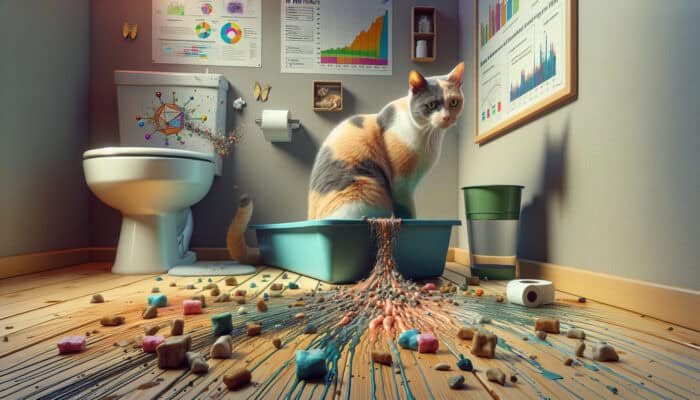
Urinary tract problems in female cats arise from a multitude of contributing factors that can significantly diminish their overall health and comfort. One of the most significant causes is diet, as improper nutritional choices can lead to the development of crystals and urinary blockages. Furthermore, ensuring adequate hydration is crucial; insufficient water intake can result in concentrated urine, which may irritate the urinary tract and heighten the risk of infections. Other influences, such as behavioural stressors and alterations in daily routines, can exacerbate these issues. Environmental factors, like the cleanliness of the litter box and the availability of safe spaces for cats, also play a role in worsening urinary tract conditions. By comprehensively understanding these underlying factors, cat owners can take proactive measures to improve their feline companions’ health and happiness.
- Poor diet and nutrition
- Inadequate hydration
- Stress and anxiety
- Environmental changes
- Litter box issues
- Genetic predisposition
- Obesity
- Lack of exercise
What symptoms should you keep an eye on to detect urinary tract issues in your cat?
Recognising the early symptoms of urinary tract issues is essential for effective management and treatment of these conditions. Cats may show signs of frequent urination, often accompanied by straining or vocal discomfort during urination. Other important warning signs include notable changes in litter box habits, such as a marked increase in the frequency of visits or urinating outside the designated area. Cat owners should remain vigilant and closely monitor their pets for these behavioural shifts, as early intervention can greatly enhance health outcomes. By keeping a watchful eye, minor issues can be addressed before they develop into more serious health complications.
How does genetics play a role in urinary tract health in female cats?
The impact of genetics on a cat’s risk of developing urinary tract issues is significant. Certain breeds are genetically predisposed to these conditions due to inherited traits. For instance, breeds like Persians and Himalayans frequently exhibit a higher incidence of urinary problems. Recognising these genetic factors empowers owners and breeders to make informed decisions regarding breeding practices and health monitoring. Regular veterinary check-ups and genetic testing can aid in early identification of potential risks, enabling proactive health management and timely interventions that can enhance the well-being of affected felines.
How does a cat’s lifestyle impact its urinary tract health?

A cat’s lifestyle plays a pivotal role in its urinary health. Daily activities, including feeding schedules and playtime, directly influence hydration levels and overall well-being. Environmental or social stressors can lead to anxiety, which may manifest as urinary problems. It is essential for owners to create a balanced environment that fosters relaxation and healthy behaviours. By providing enriching activities, ensuring easy access to clean litter boxes, and cultivating a peaceful household atmosphere, owners can encourage positive lifestyle choices that significantly reduce the risk of urinary tract issues in female cats.
What Early Symptoms Should You Watch For to Detect Urinary Tract Issues?
What are the initial warning signs of urinary tract problems in cats?
Recognising the initial warning signs of urinary tract issues can be subtle yet critical for early intervention. An increased frequency of litter box visits or noticeable discomfort while urinating should raise immediate concerns. Other less apparent changes, such as heightened vocalisation or signs of restlessness, may also indicate underlying problems. By closely observing your cat’s behaviours, you can quickly identify these early symptoms, leading to more effective treatment outcomes. Keeping a detailed journal of your cat’s litter box habits can assist in recognising these early indicators more easily and facilitate timely veterinary consultations.
What behavioural changes should you monitor for urinary tract issues?
Behavioural changes often accompany urinary tract issues, and being able to identify these shifts can help cat owners seek appropriate veterinary care in a timely manner. A cat that begins to hide more frequently or displays reduced activity levels may be experiencing discomfort or pain. Changes in social interactions, such as withdrawing from family members or avoiding other pets, can also signal underlying health problems. Regular engagement with your cat will enable you to identify these behavioural changes early, allowing for a more responsive approach to their care and overall well-being.
How can you differentiate between normal behaviours and concerning changes?
Identifying deviations from a cat’s typical behaviour is essential for the early detection of urinary tract issues. Changes in routines, such as altered eating or drinking habits, can signify discomfort. For instance, a cat that typically adheres to a consistent bathroom schedule may suddenly show reluctance to use the litter box, suggesting a potential urinary issue. Understanding what constitutes normal behaviour for your cat enables you to more readily recognise concerning changes, creating an environment that encourages timely veterinary evaluations and necessary interventions.
What physical symptoms should you keep an eye on for urinary tract issues?
Physical symptoms often serve as the most overt indicators of urinary tract issues in female cats. Common signs to monitor include weight loss, alterations in coat condition, or unusual discharges from the urinary tract. Keeping a close watch on these physical changes is crucial; for example, a dull or unkempt coat may indicate health issues that extend beyond simple dietary deficiencies. Regular health assessments, combined with vigilant observation of your cat, can facilitate the early detection of these symptoms, enabling timely consultations with a veterinarian and interventions that may avert more serious complications.
Professional Insights on Effectively Managing Urinary Tract Issues in Female Cats
What diagnostic methods do veterinarians employ to assess urinary tract issues?
Accurate diagnosis of urinary tract issues in female cats necessitates a thorough and comprehensive approach. Veterinarians typically commence with routine physical examinations, which may be enhanced by urine analysis and blood tests to evaluate kidney function and rule out infections. Imaging techniques, such as X-rays or ultrasound, may also be utilised to uncover any underlying structural problems. Understanding these diagnostic procedures allows owners to appreciate the thoroughness of veterinary evaluations and underscores the importance of timely consultations to facilitate effective treatment.
What long-term health complications can arise from untreated urinary tract issues?
Neglecting to treat urinary tract issues can lead to significant long-term health complications in female cats, including chronic kidney disease and recurrent urinary infections. For instance, a cat enduring a urinary blockage that is not promptly addressed may suffer from severe bladder damage or develop life-threatening conditions. Preventive strategies, such as regular veterinary check-ups and immediate treatment of early symptoms, are vital for mitigating these health risks. Ongoing health monitoring is crucial to ensure that any recurring issues are managed effectively and promptly, ultimately safeguarding your cat’s well-being.
What advanced techniques are available for managing urinary tract health?
Advanced management techniques for urinary tract issues in female cats frequently involve specialised dietary modifications aimed at promoting urinary health. High-quality, moisture-rich foods can assist in diluting urine and reducing the risk of crystal formation. Additionally, the incorporation of specific supplements, such as omega fatty acids, may provide anti-inflammatory benefits that support urinary tract health. Implementing these strategies requires collaboration with a veterinarian to tailor the most effective approach based on each cat’s unique needs and health conditions.
What are the common causes and risk factors for urinary tract issues in cats?
Various common causes and risk factors contribute to urinary tract issues in female cats, including genetic predispositions, dietary choices, and environmental stressors. Understanding these elements is essential for cat owners who wish to enhance their feline companions’ health. For example, maintaining a balanced nutrient intake can help prevent obesity, a significant risk factor for urinary problems. Educating oneself about these causes empowers proactive measures in daily care routines, ultimately promoting better urinary health for your beloved cat.
What Treatment Options Are Available for Urinary Tract Issues?
How do medications alleviate urinary tract symptoms in cats?
Medications play an essential role in alleviating symptoms associated with urinary tract issues in female cats. Commonly prescribed antibiotics target underlying infections, while anti-inflammatory drugs help alleviate discomfort during urination. Additionally, specific medications may assist in dissolving crystals or stones present in the urinary tract. Some key treatment options include:
- Antibiotics for addressing infections
- Anti-inflammatory medications for pain relief
- Urinary acidifiers to maintain urine pH
- Antispasmodics to relieve bladder spasms
- Prescription diets formulated for urinary health
- Pain relief medications to enhance comfort
Understanding these treatment options empowers cat owners to actively engage in their pet’s care plans and closely monitor their recovery progress, ensuring the best possible outcomes.
What natural remedies can support urinary tract health?
Exploring natural remedies can provide additional support for female cats experiencing urinary tract issues. Herbal supplements such as cranberry extract may help prevent urinary infections by acidifying the urine. Other natural options, including D-mannose and pumpkin seed extract, can promote bladder health and overall urinary function. However, it is essential to introduce these remedies cautiously, ideally under the guidance of a veterinarian, to ensure their compatibility with ongoing treatments and the specific health needs of the cat.
When should you seek professional veterinary assistance for urinary symptoms?
Recognising when to seek professional veterinary help is crucial for cat owners. Indicators that warrant veterinary intervention include persistent urinary issues, observable pain during urination, or sudden changes in behaviour. Cats that exhibit signs of lethargy or loss of appetite require immediate attention. Prompt decision-making can significantly influence the cat’s recovery trajectory and overall well-being, highlighting the importance of vigilant observation and responsive care from owners.
Research-Backed Benefits of Preventive Strategies for Urinary Health
What evidence-based dietary strategies can help prevent urinary tract issues?
Maintaining a balanced diet is vital for reducing the risk of urinary tract issues in female cats. Research indicates that diets high in moisture content, along with appropriate levels of protein and minerals, can effectively prevent the formation of crystals. For instance, incorporating wet food into a cat’s daily regimen can significantly boost hydration levels. Owners should prioritise high-quality, veterinarian-recommended foods that cater to their cat’s specific health requirements, ensuring that nutritional strategies effectively support urinary health and overall well-being.
How can regular exercise routines contribute to overall health?
Regular exercise is crucial for promoting overall health and supporting urinary function in female cats. Engaging in playful activities not only encourages physical health but also enhances mental well-being, alleviating stress that may contribute to urinary problems. Studies suggest that active cats are less likely to become obese, which is a known risk factor for urinary tract issues. Simple activities, such as interactive play with toys or utilising climbing structures, can significantly improve feline fitness and foster a healthier lifestyle, ultimately benefiting their urinary health.
What effective hydration techniques can promote wellness in cats?
Ensuring proper hydration is essential for maintaining urinary health in female cats. Techniques to enhance hydration include providing water fountains, which tend to be more appealing and encourage cats to drink more frequently. Additionally, incorporating wet food into their diet can substantially increase moisture intake. Establishing these hydration habits early can help prevent urinary health issues by ensuring cats remain well-hydrated, thereby decreasing the risk of concentrated urine that often leads to infections and other complications.
Why Is Early Detection Crucial for Cat Health?
What complications can arise from delays in treating urinary tract issues?
Delaying treatment for urinary tract issues can lead to severe complications, including the potential spread of infection to the kidneys, which may result in irreversible damage. Untreated urinary blockages can cause extreme pain and distress, potentially posing life-threatening risks. Understanding these potential complications underscores the importance of seeking prompt veterinary care, as early intervention can prevent the escalation of health problems and support more favourable outcomes for affected cats, ultimately safeguarding their quality of life.
How can preventive measures minimise the severity of urinary tract issues?
Implementing preventive strategies can significantly reduce the severity of urinary tract issues in female cats. Regular health check-ups, monitoring behavioural changes, and ensuring a balanced diet are crucial components of proactive care. These preventive measures not only enhance the cat’s quality of life but also decrease the likelihood of serious health complications. Consequently, the early identification of potential problems is essential for effective management and treatment, allowing for timely interventions that can make a real difference in your cat’s health.
What signs indicate improvement following treatment interventions?
After treatment for urinary tract issues, signs of improvement can become quite evident. Behavioural changes such as increased playfulness, better litter box habits, and improved appetite serve as positive indicators of recovery. Keeping track of these milestones benefits both owners and veterinarians. Key recovery milestones to monitor include:
- Return to normal litter box usage
- Increased energy levels
- Improved coat condition
- Restored appetite
- Reduced vocalisation during urination
- Overall improved demeanor
Monitoring these signs ensures that the cat is progressing positively towards recovery and allows for timely adjustments to the treatment plan if necessary, ultimately supporting their well-being.
Essential Long-Term Management Tips for Cat Owners
What daily habits are vital for the ongoing care of your cat?
Establishing daily routines is crucial for the ongoing care of female cats and for preventing urinary tract issues. Regular feeding schedules combined with a balanced diet support digestive health and maintain proper hydration levels. Furthermore, ensuring access to clean litter boxes and providing an adequate supply of fresh water are integral components of daily care routines. By fostering these habits, owners can create an environment that promotes feline health and effectively mitigates urinary concerns, thereby enhancing the quality of life for their beloved pets.
How can you monitor your cat’s health progress over time?
Tracking your cat’s health progress over time is vital for assessing their well-being, specifically in relation to urinary tract issues. Simple checks, such as noting changes in litter box habits or monitoring weight fluctuations, can provide valuable insights into a cat’s health status. Keeping a log of unusual behaviours or symptoms helps owners identify trends and communicate effectively with veterinarians. Regular assessments facilitate timely interventions and adjustments to care plans, ensuring that any emerging health concerns are addressed promptly and appropriately.
What lifestyle adjustments can lead to improved health outcomes for your cat?
Implementing lifestyle adjustments can greatly enhance the quality of life for female cats while reducing the risk of urinary tract issues. Simple changes, such as optimising the home environment to alleviate stress, can foster a sense of safety and security. Encouraging interactive play, providing suitable scratching surfaces, and ensuring a balanced social structure contribute to overall well-being. These adjustments ultimately support better health outcomes, resulting in a happier and healthier feline companion who thrives in a nurturing environment.
Frequently Asked Questions About Urinary Tract Issues in Cats
What are the primary urinary tract conditions affecting female cats?
The most common urinary tract conditions in female cats include urinary tract infections, bladder stones, and feline idiopathic cystitis. These issues can lead to various symptoms, including discomfort during urination and alterations in litter box habits, which require careful monitoring and timely intervention.
How can I determine if my cat has a urinary tract infection?
Signs of a urinary tract infection may manifest as frequent urination, straining to urinate, the presence of blood in the urine, or excessive vocalisation during bathroom visits. Observing these symptoms can prompt timely veterinary intervention, which is crucial for effective treatment and recovery.
What dietary modifications can help in preventing urinary tract issues in cats?
Incorporating high-quality, moisture-rich foods and maintaining a balanced diet can effectively help prevent urinary tract issues. Cats should always have access to ample fresh water to promote hydration and dilute urine concentration, which is critical for their urinary health.
Are some cat breeds more susceptible to urinary tract issues?
Certain breeds, such as Persians and Siamese, may have a genetic predisposition to urinary tract problems. Understanding breed-specific risks empowers owners to implement preventive measures effectively, tailoring care to their cat’s unique needs.
When should I consult a veterinarian regarding urinary symptoms in my cat?
If your cat exhibits symptoms such as persistent discomfort during urination, blood in the urine, or significant behavioural changes, it is essential to seek veterinary care promptly. This ensures timely diagnosis and treatment of potential urinary tract issues, safeguarding your cat’s health.
Can stress play a role in urinary tract problems in cats?
Yes, stress can significantly contribute to urinary tract problems in cats. Stress can influence a cat’s behaviour and may lead to conditions such as feline idiopathic cystitis, making it crucial to provide a calm and stable environment that minimises anxiety and promotes well-being.
What importance does hydration hold for maintaining urinary health?
Hydration is critical for urinary health, as adequate water intake helps dilute urine and prevent the formation of crystals and stones. Encouraging cats to drink more water is essential for their overall well-being and plays a vital role in preventing urinary tract issues.
Are there natural remedies to enhance urinary tract health in cats?
Yes, natural remedies like cranberry extract and various herbal supplements may support urinary tract health in cats. However, these should be discussed with a veterinarian prior to use to ensure safety and efficacy, especially in conjunction with other treatments.
What treatment options exist for urinary tract issues?
Treatment options for urinary tract issues may include medications (such as antibiotics), dietary changes, and, in some cases, surgical interventions. A veterinarian will determine the best course of action based on the specific condition, ensuring that your cat receives appropriate care.
How can I support my cat’s recovery from urinary tract issues?
Supporting recovery entails maintaining a stress-free environment, ensuring adequate hydration, providing a balanced diet, and adhering to veterinary treatment guidelines. Monitoring your cat’s behaviour and health progress is also crucial to ensure a smooth recovery and prevent recurrence.
Connect with us on Facebook!
The Article Urinary Tract Issues in Female Cats: Prevention Tips First Published On https://elgatoencasa.com
The Article Prevention Tips for Female Cats with Urinary Tract Issues Was Found On https://limitsofstrategy.com