Comprehensive Overview of Kidney Health and Vital Functions
What Essential Functions Do Kidneys Perform in the Body?
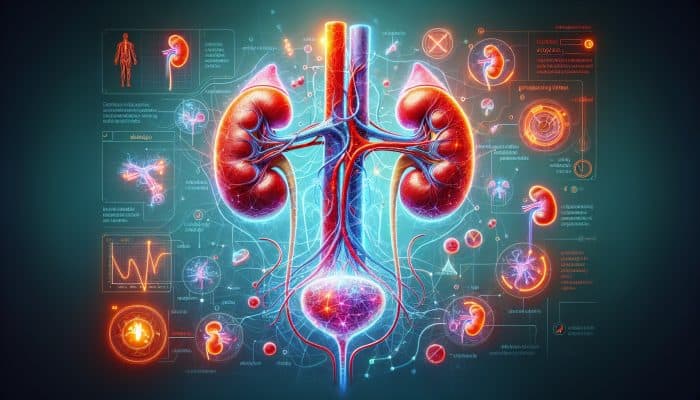
How to Improve Kidney Health: The kidneys are indispensable organs that play a crucial role in our overall well-being by executing a variety of essential functions that help maintain the body’s internal equilibrium. Primarily, they act as natural filters, efficiently removing waste products and excess substances from the bloodstream, which are ultimately excreted as urine. This critical filtration process is fundamental for detoxifying the body and ensuring the chemical stability of the blood. Furthermore, the kidneys regulate electrolyte balance, manage fluid levels, and control blood pressure. According to NHS guidelines, any dysfunction in these areas can result in severe health complications, including the increasingly prevalent chronic kidney disease affecting the UK population.
In addition to these filtering roles, the kidneys produce vital hormones, such as erythropoietin, which stimulates the production of red blood cells, and renin, essential for regulating blood pressure. By effectively managing these functions, healthy kidneys play a pivotal role in maintaining the body’s homeostasis, ensuring that the internal environment remains stable even when external conditions fluctuate. Thus, gaining a comprehensive understanding of the kidneys’ multifaceted roles is essential for appreciating the significance of sustaining optimal kidney health.
How to Recognise Common Kidney Issues Early?
Recognising common kidney issues early is critical, as symptoms often manifest in ways that may initially appear unrelated to kidney function. In the UK, symptoms such as persistent fatigue, elevated blood pressure, and swelling in the ankles and feet frequently signal underlying kidney dysfunction. Early detection through routine NHS screenings is paramount since many kidney diseases can advance silently, often without noticeable symptoms until they reach more severe stages.
Moreover, individuals who notice changes in their urination patterns—such as increased frequency, foamy urine, or blood in the urine—should promptly seek medical advice. Regular health check-ups, combined with increased awareness of these warning signs, can dramatically improve health outcomes. By understanding these common symptoms, individuals empower themselves to take proactive measures regarding their kidney health, enabling timely interventions and effective management strategies that can lead to improved outcomes.
What Daily Habits Can Enhance Kidney Function?
Incorporating beneficial daily habits that promote kidney health is imperative for preventing disease and maintaining optimal functionality. In the UK, health experts advocate for a balanced diet abundant in fruits, vegetables, whole grains, and lean proteins. These foods provide essential nutrients while simultaneously reducing the risk of hypertension and diabetes, both significant risk factors for kidney disease. Regular health check-ups through NHS services also play an essential role in monitoring kidney function and identifying potential issues early.
Moreover, staying physically active is equally crucial for kidney health. The UK’s public health guidelines recommend engaging in at least 150 minutes of moderate-intensity exercise weekly, which can enhance circulation and support overall kidney function. Additionally, managing stress through mindfulness techniques and ensuring proper sleep hygiene positively influences kidney health. By integrating these beneficial habits into daily routines, individuals can establish a robust foundation for long-term kidney health and longevity.
What Are the Latest Advances in Kidney Treatment?

In the UK, advancements in kidney treatment have significantly enhanced patient care and outcomes. The NHS has made remarkable strides in providing comprehensive treatments for kidney diseases, including dialysis and organ transplants. Dialysis has evolved to include various modalities, offering patients greater flexibility and improving their quality of life. Additionally, the robust NHS transplant programme has notably increased access to life-saving kidney transplants, leading to significant enhancements in patient longevity and overall well-being.
These advancements underscore the critical importance of early intervention and ongoing care. Regular monitoring, coupled with prompt treatment of kidney-related issues, can prevent the progression of kidney disease, highlighting how modern medicine increasingly prioritises patient-centred care and proactive management. With the right resources and support from healthcare professionals, individuals can navigate the complex challenges associated with kidney health more effectively and confidently.
How Does Diet Influence Kidney Health?
What Impact Does Nutrition Have on Kidney Care?
Nutrition plays a pivotal role in kidney care, directly influencing organ function and overall health. UK dietary guidelines advise reducing salt intake, as excessive sodium consumption can lead to hypertension, imposing additional strain on the kidneys. A balanced diet rich in fruits and vegetables is particularly beneficial for kidney health, as these foods are loaded with essential vitamins, minerals, and antioxidants that combat inflammation and oxidative stress.
Moreover, it is advisable to maintain a diet low in processed foods and sugars, as these can exacerbate kidney issues by increasing the workload on the organs. Incorporating whole foods such as legumes, lean proteins, and healthy fats creates a nourishing environment that supports kidney function. Ultimately, making informed dietary choices is crucial for those aiming to enhance their renal health and stave off disease progression.
Which Foods Should You Include for Optimal Kidney Support?

Incorporating specific foods into your diet can profoundly support kidney health. Foods rich in antioxidants, such as berries, leafy greens, and fish, are particularly beneficial and align with UK national health guidelines. For instance, berries are not only delicious but are also packed with flavonoids that may help reduce inflammation and promote kidney function.
Additionally, including high-fibre foods like whole grains and legumes can help manage blood sugar and cholesterol levels, both essential for kidney health. The NHS also emphasises the necessity of adequate protein intake; however, it recommends choosing lean sources such as chicken, turkey, and plant-based proteins to avoid overwhelming the kidneys. Overall, a diet that prioritises these kidney-supportive foods can enhance overall well-being and improve renal function.
What Foods Should Be Avoided to Improve Kidney Outcomes?
To maintain optimal kidney health, it is vital to be mindful of certain foods that can be harmful. Processed items loaded with additives, preservatives, and high sodium levels should be limited, as they can exert extra strain on the kidneys and worsen conditions like hypertension. In the UK, common offenders include fast food, packaged snacks, and pre-prepared meals, which often contain unhealthy amounts of salt and sugar.
Furthermore, foods high in phosphorus, such as certain sodas and processed cheeses, can negatively affect kidney function by disrupting mineral balance. Individuals with existing kidney issues may also need to limit potassium-rich foods, as excessive potassium can lead to serious complications. By avoiding these detrimental foods, individuals can significantly improve their kidney health and overall quality of life.
Expert Insights on Enhancing Kidney Health
What Practical Steps Can You Take Based on UK Research?
Practical steps derived from UK research highlight the importance of hydration and dietary modifications in improving kidney health. Studies from the NHS reveal the advantages of establishing hydration routines, recommending that adults aim to consume approximately 2 litres of water daily, tailored to individual needs and activity levels. Real-world examples illustrate that patients who increased their water intake reported noticeable improvements in kidney function during consultations with healthcare professionals.
Incorporating a diverse array of fruits and vegetables, especially those known for their antioxidant properties, can also provide substantial benefits. This dietary approach not only supports kidney function but also enhances overall health. Additionally, regular health screenings through NHS services facilitate the early detection of potential issues, ensuring timely intervention. By following these actionable steps, individuals can actively engage in their kidney care journey and work towards preventing future complications.
What Trusted Methods Exist for Monitoring Kidney Health Progress?
Monitoring kidney health progress is crucial for assessing the effectiveness of lifestyle changes and treatment strategies. Insights from UK clinical trials indicate that regular blood tests and urinalysis can yield valuable information regarding renal function and overall health status. Individuals are encouraged to track their blood pressure and kidney function markers to facilitate informed adjustments to their health plans.
Moreover, engaging with healthcare providers to discuss lifestyle changes—such as dietary adjustments and exercise routines—can lead to significant improvements. Maintaining a health journal or utilising health apps can also assist individuals in staying aware of their progress and remaining focused on their kidney health journey. By adopting these monitoring methods, individuals can make informed decisions regarding their kidney health and overall well-being.
What Advanced Techniques Do Specialists Recommend for Kidney Improvement?
Consulting with nephrologists based in the UK is crucial for individuals seeking tailored plans to enhance kidney health. Specialists frequently recommend advanced techniques, such as personalised dietary adjustments based on specific health conditions and blood work. These customised plans may involve restricting certain nutrients or increasing the intake of kidney-friendly foods that bolster renal function.
In addition, stress management emerges as a vital component of kidney health. Research indicates that stress can negatively influence kidney function, making mindfulness techniques such as meditation and yoga valuable tools for fostering resilience. By integrating these advanced strategies into their daily routines, individuals can effectively enhance their kidney health, ensuring a holistic approach to overall wellness.
How Can Physical Activity Benefit Kidney Function?
What Types of Exercises Are Best for Kidney Health?
Physical activity plays an essential role in promoting kidney function and supporting overall health. In the UK, engaging in activities such as walking, cycling, and swimming enhances circulation, which is vital for effective kidney function and the removal of waste. Regular exercise has been shown to mitigate risks associated with kidney-related issues such as hypertension and diabetes, both of which can significantly impair kidney function.
Moreover, participating in physical activities aids in maintaining a healthy weight, alleviating strain on the kidneys. The NHS health campaigns recommend at least 150 minutes of moderate-intensity exercise weekly, providing essential guidelines for maintaining an active lifestyle. By prioritising physical activity, individuals can significantly enhance their kidney health while reducing the risk of developing chronic conditions affecting renal function.
Which Simple Routines Can You Incorporate into Your Daily Life?
Incorporating straightforward exercise routines into daily life can profoundly impact kidney health. UK fitness guidelines recommend activities such as brisk walking, swimming, and cycling to promote renal blood flow and overall vitality without overwhelming the body. For those beginning their exercise journey, starting with short 10-15 minute sessions can gradually build endurance and confidence.
Additionally, incorporating strength training at least twice a week can further support kidney health by helping maintain muscle mass and improving overall metabolic function. Engaging in flexibility-promoting activities, such as yoga or stretching, can also prove beneficial. By creating a balanced exercise routine that includes both aerobic and strength-training components, individuals can effectively support their kidneys and overall well-being.
What Potential Risks Should You Be Aware of and How Can You Mitigate Them?
While exercise is essential for kidney health, it is crucial to be aware of the potential risks associated with overexertion. Excessive physical activity can place undue strain on the kidneys, especially for individuals with pre-existing conditions. Adhering to NHS recommendations for paced workouts is vital for ensuring safe and effective exercise. This includes gradually increasing intensity and duration while allowing the body sufficient time to adapt.
Hydration also plays a critical role during physical activity; individuals should ensure they consume adequate water before, during, and after exercise to prevent dehydration. Additionally, being attuned to bodily signals and recognising signs of fatigue or discomfort can help mitigate risks. By following these guidelines, individuals can safely enjoy the benefits of exercise while actively supporting their kidney health.
Research-Backed Advantages of Improving Kidney Health
What Evidence Supports Lifestyle Changes for Kidney Health?
Research consistently demonstrates that lifestyle changes can significantly enhance kidney health. Studies conducted in the UK have shown that quitting smoking notably reduces strain on the kidneys and lowers the risk of chronic kidney disease. Actionable steps include utilising NHS stop-smoking services, which offer support and resources for individuals aiming to quit.
Evidence-based benefits of such lifestyle modifications include:
- Improved blood pressure control
- Decreased risk of kidney disease progression
- Enhanced overall cardiovascular health
- Lowered levels of inflammation
- Increased energy levels and vitality
- Better weight management
- Improved nutrient absorption
- Stronger immune system function
These advantages underscore the transformative potential of lifestyle modifications in promoting kidney health and overall well-being.
What Long-Term Advantages Come from Consistent Healthy Practices?
Long-term adherence to kidney-friendly practices yields substantial benefits. Expert analyses reveal that following UK-recommended routines, such as maintaining a balanced diet and engaging in regular physical activity, leads to improved kidney longevity and fewer hospital visits. Research shows that individuals who consistently engage in healthy habits experience lower rates of chronic kidney disease and its associated complications.
Moreover, integrating stress management techniques, such as mindfulness and relaxation exercises, contributes positively to a healthier renal system. By cultivating these sustainable practices, individuals can enhance their quality of life and protect their kidney function over time, further emphasising the importance of prevention and proactive health management.
How Can You Integrate These Benefits into Everyday Life?
Integrating the benefits of lifestyle changes into everyday life is essential for long-term kidney health. Research suggests that mindfulness techniques, as recommended by UK health resources, can effectively reduce stress and safeguard kidney function. Practical tips for making these habits sustainable include setting small, achievable goals, such as adding a five-minute mindfulness session to your daily routine or gradually increasing physical activity.
Additionally, meal planning can assist individuals in adhering to kidney-friendly diets by ensuring nutritious foods are easily accessible. Social support from family and friends can also enhance motivation and accountability. By developing a structured approach to integrating these benefits into daily life, individuals can create lasting changes that promote their kidney health and overall wellness.
Why Is Hydration Vital for Kidney Function?
How Does Water Intake Affect Kidney Performance?
Maintaining adequate hydration is crucial for optimal kidney performance, as water plays a significant role in sustaining fluid balance within the body. In the UK, following daily fluid intake guidelines—approximately 2 litres for most adults—helps the kidneys effectively flush out toxins and waste products. Insufficient water consumption can lead to dehydration, impair kidney function, and increase the risk of kidney stones and urinary tract infections.
Water also supports the regulation of body temperature and various metabolic processes. Individuals who maintain sufficient fluid intake are less likely to encounter kidney disease complications, emphasising hydration’s critical role in kidney health. By prioritising water consumption, individuals can significantly enhance their renal function and overall quality of life.
What Signs Indicate Inadequate Hydration?
Recognising signs of inadequate hydration is essential for preserving kidney health. Common indicators, such as dark urine, dry skin, fatigue, and dizziness, often signal the need to increase water intake. UK health literature emphasises that urine colour is a reliable marker; pale straw-coloured urine typically indicates adequate hydration, whereas darker shades may suggest dehydration.
Moreover, individuals may experience increased thirst, headaches, and reduced urine output as additional signs of insufficient hydration. By staying vigilant and responding to these cues, individuals can take proactive measures to improve their hydration status and support kidney function effectively.
What Strategies Can Help Maintain Proper Hydration?
Maintaining proper hydration can be seamlessly integrated into daily routines. The NHS recommends drinking water consistently throughout the day, along with consuming water-rich foods such as cucumbers, oranges, and melons. Setting reminders to drink water can also help foster a consistent hydration habit, ensuring that individuals meet their fluid intake requirements.
Additionally, carrying a reusable water bottle encourages regular sips, especially during physical activity. Monitoring fluid intake using applications can also assist in tracking hydration levels. By adopting these practical hydration strategies, individuals can effectively support their kidneys and mitigate associated health risks.
- Keep a water bottle accessible.
- Set reminders to drink water.
- Incorporate water-rich foods into meals.
- Monitor urine colour as a hydration indicator.
How Does Hydration Help Prevent Kidney Stones?
Hydration is critical in preventing kidney stones, particularly since the NHS advises that sufficient fluid intake dilutes urine, reducing the concentration of minerals that can crystallise and form stones. Consuming adequate fluids daily helps maintain optimal urine output, flushing out potential stone-forming substances. This proactive approach can significantly minimise the risk of developing painful kidney stones.
Furthermore, individuals with a history of kidney stones should strive for higher fluid intake to prevent recurrence. Staying hydrated not only protects kidney health but also promotes overall wellness. By acknowledging hydration’s importance, individuals can take concrete steps to safeguard their kidney function and prevent complications associated with kidney stones.
What Lifestyle Changes Can Enhance Kidney Health?
What Routine Adjustments Can Make a Positive Impact?
Implementing simple routine adjustments can profoundly influence kidney health. In the UK, reducing alcohol consumption in accordance with government guidelines can significantly enhance kidney function and help avert long-term damage. Excessive alcohol intake can lead to dehydration and elevated blood pressure, both detrimental to renal health.
Moreover, incorporating regular physical activity into daily life can further support kidney function. Small changes, such as opting for stairs instead of lifts or taking short walks during breaks, can accumulate to foster better kidney health. By recognising and implementing these adjustments, individuals can take meaningful steps towards sustaining their renal well-being.
How to Build Sustainable Habits Over Time?
Building sustainable habits over time is crucial for long-term kidney health. Focusing on gradual shifts, such as incorporating more plant-based meals that align with UK nutritional standards, fosters lasting improvements in kidney health. Starting with one plant-based meal per week can ease the transition and encourage the exploration of diverse, wholesome foods.
Additionally, maintaining a food diary helps individuals track dietary changes and recognise patterns that affect kidney health. Regular check-ins with healthcare providers can also reinforce accountability and motivation. By taking these steps to develop sustainable habits, individuals can cultivate a healthier lifestyle that benefits their kidneys and overall health.
- Introduce plant-based meals gradually.
- Track food intake and kidney health.
- Schedule regular health check-ins.
- Seek support from friends and family.
How to Measure the Impact of Lifestyle Changes on Kidney Health?
Measuring the impact of lifestyle changes on kidney health is vital for understanding their effectiveness. Tracking progress through UK health apps enables individuals to assess how lifestyle modifications improve kidney function and overall well-being. Regular consultations with healthcare professionals provide opportunities to discuss changes and receive valuable feedback.
Furthermore, monitoring key health markers, such as blood pressure and kidney function tests, can offer valuable insights into the impact of adjustments made. Engaging in this proactive approach empowers individuals to recognise the benefits of their efforts and reinforces their commitment to maintaining kidney health.
Frequently Asked Questions about Kidney Health
What Are the Early Signs of Kidney Problems?
Early signs of kidney issues may include fatigue, changes in urination frequency, swelling in the ankles, and high blood pressure. Recognising these symptoms early can facilitate timely medical intervention and improve outcomes.
How Much Water Should I Drink Daily for Kidney Health?
In the UK, it is generally recommended to drink about 2 litres of water daily, although individual needs may vary based on activity levels and climate.
Can Diet Really Affect Kidney Function?
Absolutely, a balanced diet rich in fruits, vegetables, and whole grains can significantly support kidney function by reducing strain on the kidneys and promoting overall health.
What Exercises Are Best for Kidney Health?
Moderate exercises like walking, swimming, and cycling are particularly beneficial for kidney health, as they improve circulation and assist with weight management.
How Often Should I Have My Kidney Function Checked?
For adults, it is advisable to have kidney function checked at least annually, especially if you have risk factors such as high blood pressure or diabetes.
What Foods Should I Avoid for Better Kidney Health?
Avoid processed foods high in sodium and additives, as well as foods rich in phosphorus and potassium, which can place undue strain on the kidneys.
Is Smoking Bad for Kidney Health?
Yes, smoking poses significant risks to kidney health, increasing the likelihood of kidney disease and reducing overall organ function.
Can Mindfulness Help Improve Kidney Health?
Mindfulness techniques can help lower stress levels, which may positively impact kidney function and overall well-being.
What Role Does Potassium Play in Kidney Health?
Potassium is vital for many body functions; however, excessive potassium levels can be harmful to individuals with kidney disease, necessitating careful dietary management.
How Can I Maintain a Healthy Weight for My Kidneys?
Regular exercise combined with a balanced diet that is rich in whole foods can help maintain a healthy weight, thereby reducing the burden on the kidneys and enhancing overall health.
Connect with us on Facebook!
This Article Was First Found On https://bloodtest.co.uk
The Article Improve Kidney Health: Essential Tips for a Healthier Life Was Found On https://limitsofstrategy.com